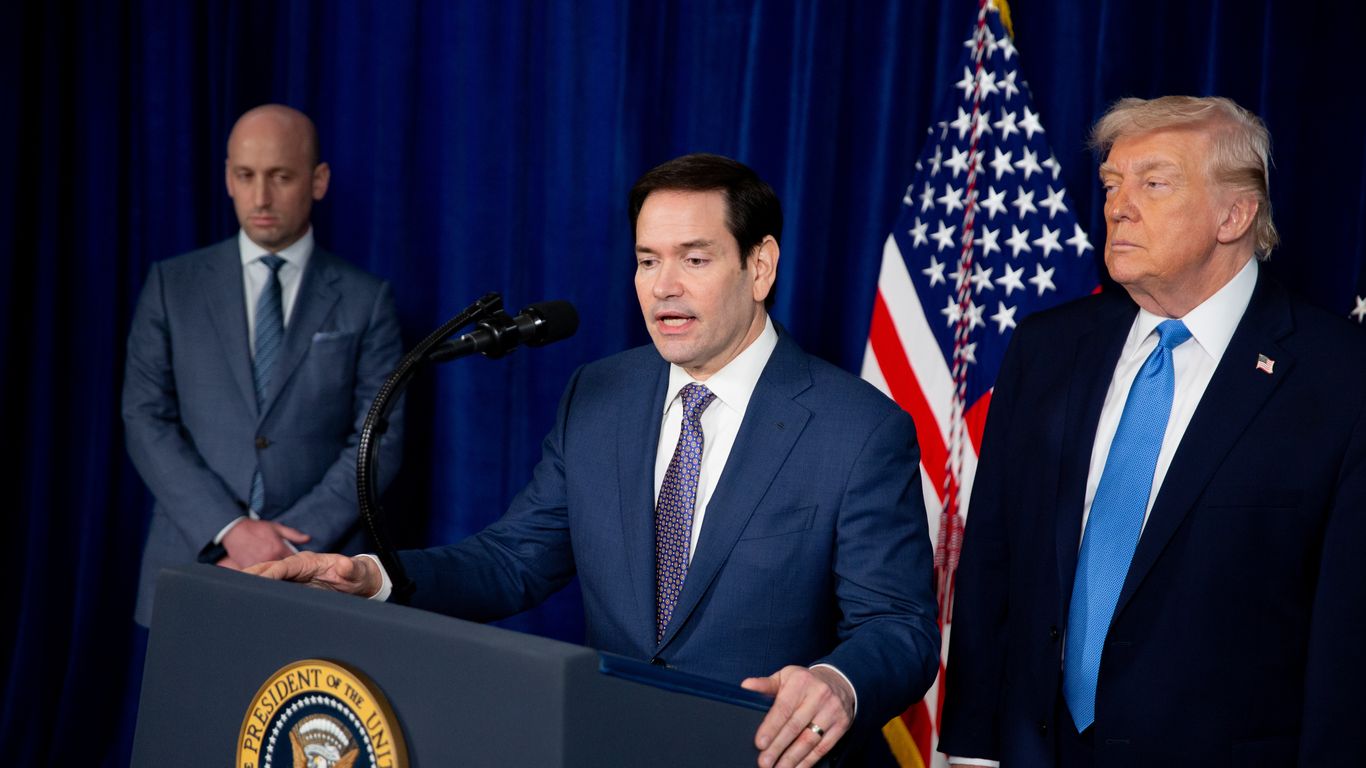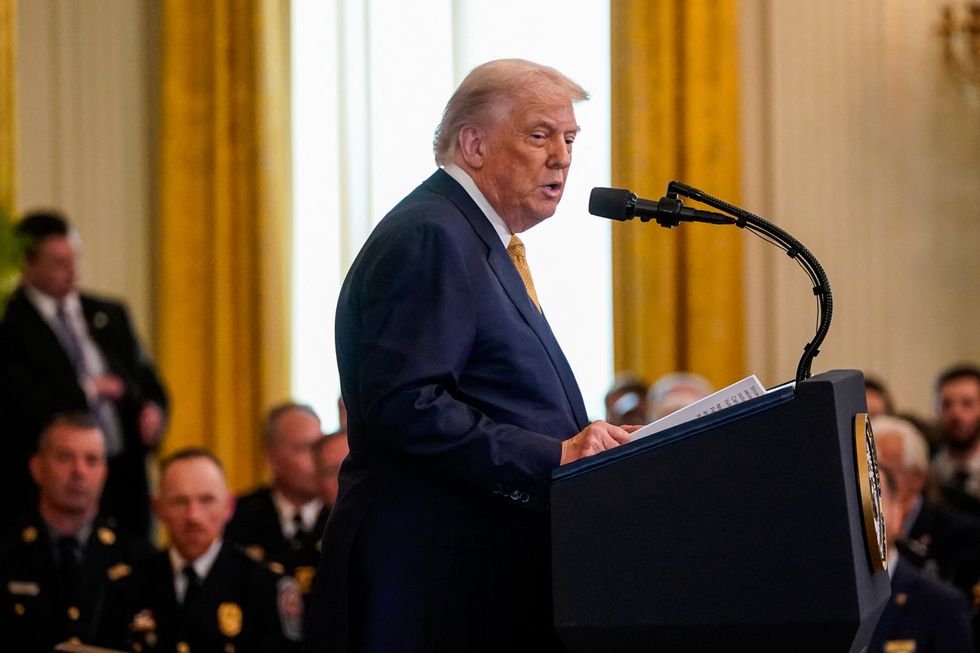
As the United States approaches the end of 2025, concerns regarding the health of its democracy remain at the forefront of national discourse. Progressive commentators are noting signs that the country’s drift towards authoritarianism may be slowing. On December 26, New York Times columnist Michelle Goldberg highlighted a shift, citing Leah Greenberg, co-founder of the resistance group Indivisible. Greenberg stated that while former President Donald Trump inflicted significant damage to democratic norms, he has not effectively consolidated power. This observation underscores the importance of grassroots activism in preserving democratic principles.
Despite these glimmers of hope, the challenge of rebuilding democracy is daunting. Experts emphasize that while resisting authoritarianism is critical, restoring the foundations of democracy requires concerted efforts across various societal dimensions. Issues such as political institutional inefficiency, socioeconomic disparities, and societal polarization existed long before Trump’s presidency and will persist beyond his political influence. Addressing these challenges is essential for sustainable democratic governance.
Understanding the Fragility of Democratic Norms
Political scientist Eric Shickler explains that Trump has demonstrated a willingness to dismantle elements of the existing political order to assert dominance. He points out that the sources of countervailing power in the U.S. political system are more fragile than previously acknowledged. Despite Americans’ preference for democratic governance, a recent survey revealed that only one-third of citizens are satisfied with the functioning of democracy. Notably, 84% of respondents indicated that democracy is either in crisis or facing significant challenges.
Dissatisfaction with democratic processes is particularly pronounced among Republicans and younger demographics, suggesting that any effort to revitalize democracy must also encompass cultural dimensions. A commitment to reducing political polarization and fostering constructive dialogue is paramount.
Relearning Democratic Habits
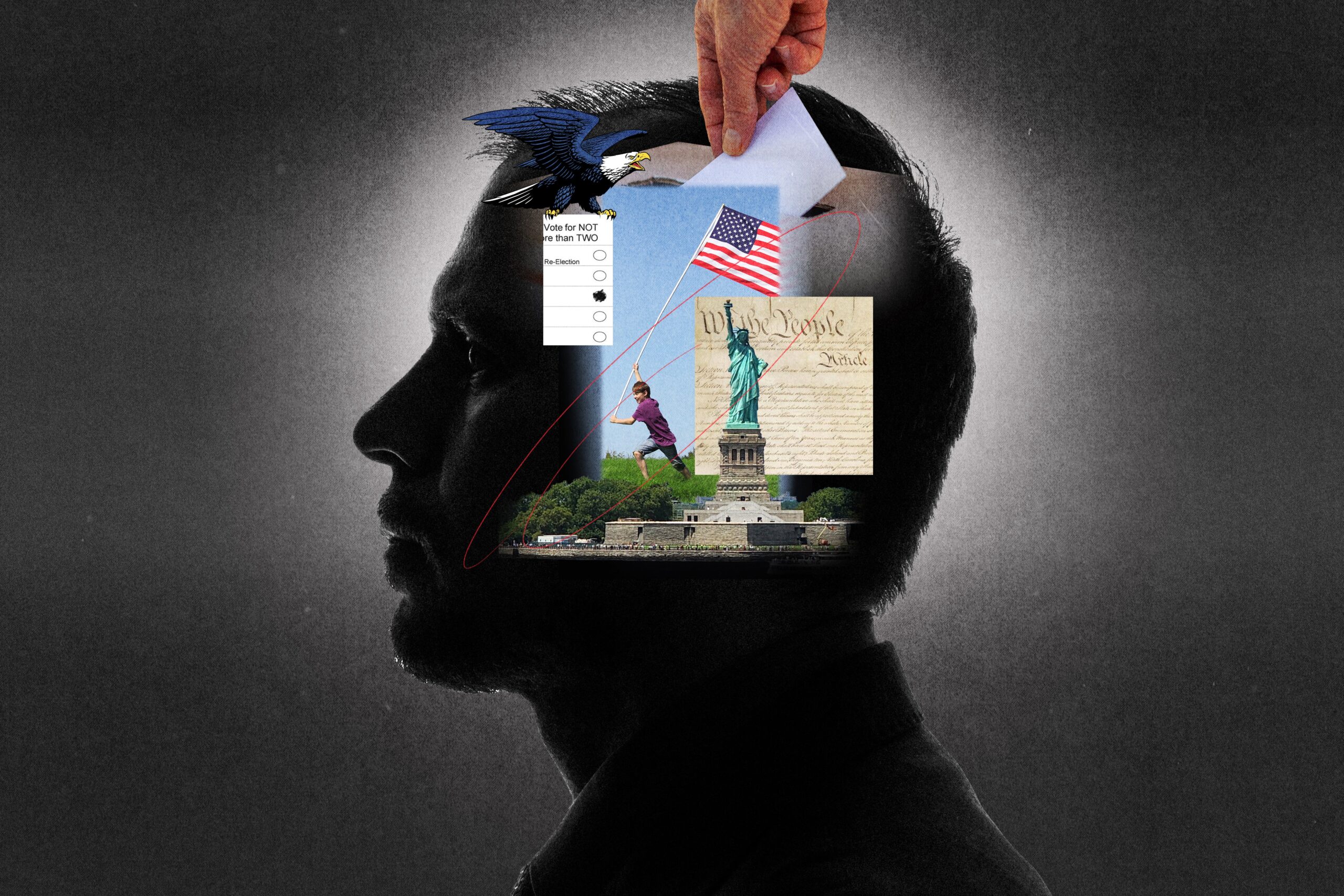
In light of these challenges, experts propose that citizens must actively engage in relearning democratic habits. Alexis de Tocqueville, a prominent 19th-century political thinker, argued that the customs and behaviors of the populace are crucial for democracy’s success. Today, it is necessary to identify and cultivate specific habits that promote a healthy democratic environment.
One essential habit is the commitment to truth-telling in a manner that is accessible and persuasive to those with differing viewpoints. Effective communication is a cornerstone of democracy. As Michael Morrell notes, empathy plays a critical role in this process. Understanding the perspectives of others fosters inclusive dialogue, which is vital for democratic decision-making.
Another key democratic habit is active listening. Astra Taylor emphasizes the importance of recognizing the “right to listen,” which enhances the quality of public discourse. Citizens should strive to engage with others’ ideas thoughtfully, fostering a culture of respect and understanding. This approach not only validates the speaker’s voice but also contributes to a more inclusive political dialogue.
Lastly, humility is essential in a functioning democracy. Acknowledging the limits of one’s knowledge and being open to differing opinions can facilitate constructive discourse. John Keane argues that humility counters the arrogance often associated with political discourse, allowing for a more equitable exchange of ideas.
As the United States navigates its complex political landscape, individuals have a pivotal role in reinforcing democratic values. By prioritizing persuasive communication, empathetic listening, and humility, citizens can contribute to a more robust and resilient democracy. If these habits are embraced collectively, there is potential for a healthier democratic future.