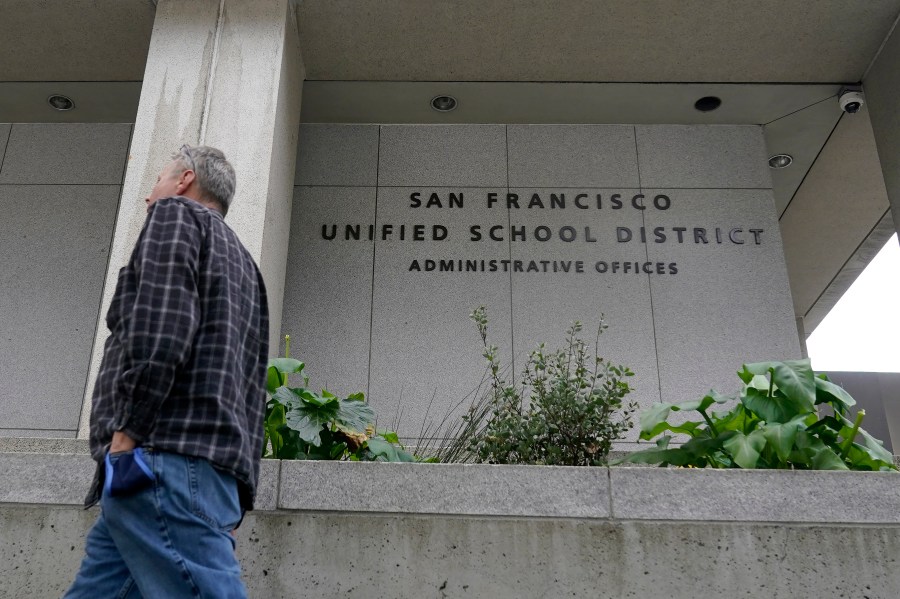
Thousands of public schoolteachers in San Francisco initiated a strike on March 18, 2024, marking the first such action in nearly half a century. The strike emerged after negotiations between the teachers and the San Francisco Unified School District broke down, primarily over demands for higher wages, improved health benefits, and increased resources for special needs students.
The strike, led by the United Educators of San Francisco, has drawn participation from a large number of educators, impacting schools across the city. Teachers are advocating for a more equitable salary structure that reflects the rising cost of living in the area. Many have expressed frustration over stagnant wages, which have not kept pace with inflation and the financial demands of living in one of the most expensive cities in the United States.
As the strike unfolds, educators are also emphasizing the need for enhanced health benefits. Teachers report that current health plans do not adequately cover their families’ needs, which has become a pressing concern, especially in the wake of ongoing health challenges tied to the pandemic.
In addition to compensation and benefits, the strike highlights the necessity for more resources dedicated to special needs students. Teachers argue that without proper funding, they cannot provide the individualized attention and support that these students require to thrive academically and socially.
The district has stated that it remains committed to finding a resolution, but negotiations have been complicated by budget constraints and competing priorities. According to district officials, the financial landscape has presented significant challenges in meeting the demands put forth by educators.
Community members have rallied in support of the striking teachers, recognizing the essential role that educators play in shaping the future of children in the city. Parents and local organizations have joined picket lines, expressing solidarity with teachers and advocating for a swift resolution to the strike.
The situation in San Francisco reflects broader trends observed in various educational systems across the United States, where teachers are increasingly vocal about their working conditions and compensation. As educators demand change, school districts nationwide face heightened pressure to address these issues effectively.
As the strike continues, the district has indicated plans to implement contingency measures to minimize disruptions to student learning. However, the long-term implications for both the teachers and the district remain uncertain, with both sides hoping for an expeditious resolution to restore normalcy in the schools.