The Russian government has adopted a low-profile stance in response to the arrest of Nicolás Maduro, the controversial leader of Venezuela, as of March 12, 2024. While Moscow has issued travel advisories for its citizens, it has not taken decisive action to protect Maduro, demonstrating a notable retreat from its previously vocal support.
In a statement, the Russian Foreign Ministry advised citizens against traveling to Venezuela due to “armed aggression by the United States.” They highlighted the risks involved, particularly citing “threats of repeat attacks” on Maduro’s regime. The ministry also announced the suspension of tour packages to Venezuela, allowing travelers to cancel for a full refund. Those currently in the country have been urged to exercise caution and remain vigilant for updates from local officials and Russian diplomats.
Despite the turmoil, the Russian embassy in Caracas reassured its citizens that operations were normal and reported no harm to Russian nationals. The embassy acknowledged the appointment of Delcy Rodríguez as Venezuela’s interim president and criticized what it termed “blatant neocolonial threats and foreign armed aggression,” without directly naming the United States or its leadership.
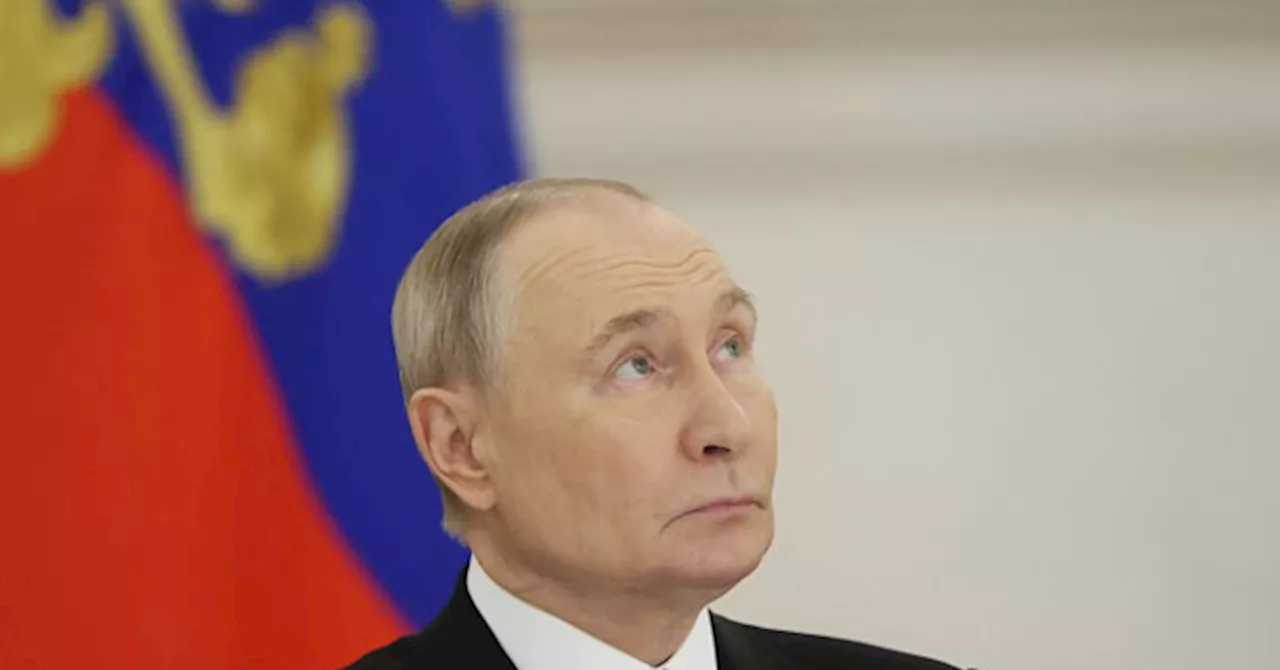
In light of Maduro’s arrest, Russian President Vladimir Putin has yet to comment publicly. This silence has prompted speculation among analysts about Russia’s future role in Venezuela, particularly as some military bloggers have criticized the apparent ease with which U.S. forces reached Maduro.
Analysts suggest that Putin’s reluctance to act decisively may stem from a desire to protect Russian investments in Venezuela. Galiya Ibragimova, an analyst at the Carnegie Endowment for International Peace, pointed out that the Russian leader might fear a similar fate to Maduro’s if he antagonizes the United States. “Putin is most frightened by the fact that in Maduro’s coterie, there was a person who leaked information to Americans,” she stated, emphasizing the heightened security concerns within the Kremlin.
The situation has raised eyebrows in Moscow, where some commentators lament the loss of influence as allies, like Maduro, face challenges from Western powers. Igor Girkin, a prominent Russian nationalist, expressed his frustration over Russia’s inability to support its allies effectively. “All of Russia is asking itself why we don’t deal with our enemies in a similar way,” he remarked.
The political landscape appears increasingly fraught, with analysts noting a shift in alliances as nations like Armenia and Azerbaijan look towards the West. In this context, the United States has reasserted its Monroe Doctrine, further complicating Russia’s position in Latin America. Abbas Gallyamov, a former Kremlin speechwriter, described Putin’s predicament as one of jealousy, stating, “What Putin promised to do in Ukraine, Trump did in half an hour.”
The implications of Maduro’s arrest extend beyond Venezuela, as they reflect broader geopolitical tensions. While some Russian bloggers speculate that the U.S. might face challenges in critiquing Russia’s actions in Ukraine, the reality is that Russia is currently unable to leverage its influence in the region. The ongoing war in Ukraine has severely strained Russia’s resources and capacity to project power abroad.
As the situation develops, it remains to be seen whether Russia will recalibrate its strategy in Venezuela or continue to adopt a passive role, allowing the events to unfold without intervention. The coming days will likely reveal more about Moscow’s intentions and its ability to maintain its foothold in a country that has long relied on Russian support.