Tensions between Russia and the United Kingdom escalated following a sharp rebuke from a close associate of President Vladimir Putin directed at UK Prime Minister Keir Starmer. This response came after Starmer suggested that British troops could be deployed in Ukraine as part of a potential peace agreement. The statement has stirred significant backlash from Russian officials, intensifying an already fraught geopolitical landscape.
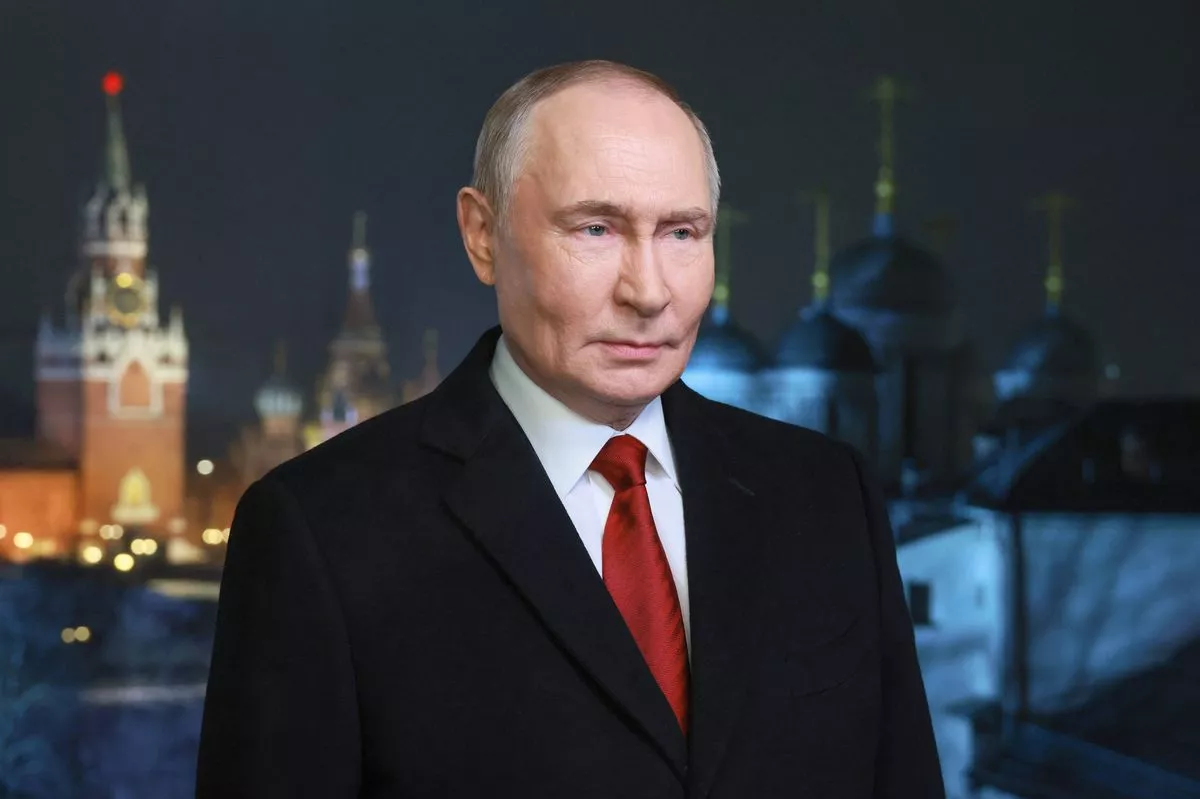
In a striking religious address during Orthodox Christmas celebrations, Putin characterized the military operations in Ukraine as a sacred duty, claiming they are executed under divine guidance. Surrounded by senior officials from the GRU (Main Intelligence Directorate), Putin stated that Russian soldiers are fulfilling a divine mission to protect their homeland and its people. His remarks came just hours after additional overnight attacks in Ukraine resulted in injuries to seven civilians in the city of Dnipro, including two minors aged eight and sixteen.
Dmitry Rogozin, a Kremlin-backed senator and former deputy prime minister, condemned Starmer’s comments, labeling him “illiterate and a fool.” Rogozin warned that any deployment of British forces could provoke Russian missile strikes against the UK. He referenced historical events, noting that even after Russia’s defeat in the Crimean War from 1853 to 1856, such military thoughts never crossed the minds of England, France, or their allies.
Putin’s Christmas address was not only a religious observance but also a strategic communication aimed at consolidating domestic support for the ongoing military campaign. He emphasized the notion of soldiers acting on divine orders, framing the conflict as a moral obligation rather than a mere political maneuver. His appearance alongside high-ranking GRU officials, including Maj-Gen Aleksei Galkin, was seen as a signal of allegiance to covert operations linked to military unit 92154, a division recently implicated in an alleged train explosion in Poland.
As the situation unfolds, European intelligence reports indicate that Moscow is ramping up undercover operations across the continent. Polish authorities are investigating railway sabotage incidents that allegedly involved a GRU operative associated with unit 92154. Furthermore, a newly established GRU division, referred to as the “Department of Special Tasks,” is believed to be coordinating sabotage and assassination efforts throughout Europe.
Putin’s appeal to religious authority, coupled with the military’s portrayal as executing a divinely sanctioned mission, raises concerns about the Kremlin’s intentions regarding any potential peace initiatives. This is particularly relevant in light of proposals for peace put forth by former US President Donald Trump, which appear to be disregarded by Russian leadership.
In related developments, further reports indicated that children were among those injured in Russian attacks during the Christmas season in the Zaporizhzhia region. Hospitals in Lviv experienced temporary power outages due to persistent strikes on Ukraine’s energy infrastructure. In retaliation, Ukrainian forces reportedly caused a significant fire at an oil facility in Stary Oskol, located in Russia’s Belgorod region. Local governor Vyacheslav Gladkov stated that several tanks caught fire as a result of the incident, with firefighters currently working to extinguish the blaze.
The ongoing conflict continues to impact civilians on both sides, with the potential for further escalation as military posturing intensifies. The international community remains watchful of the developments, particularly as both nations navigate the complexities of military action and diplomatic negotiations.