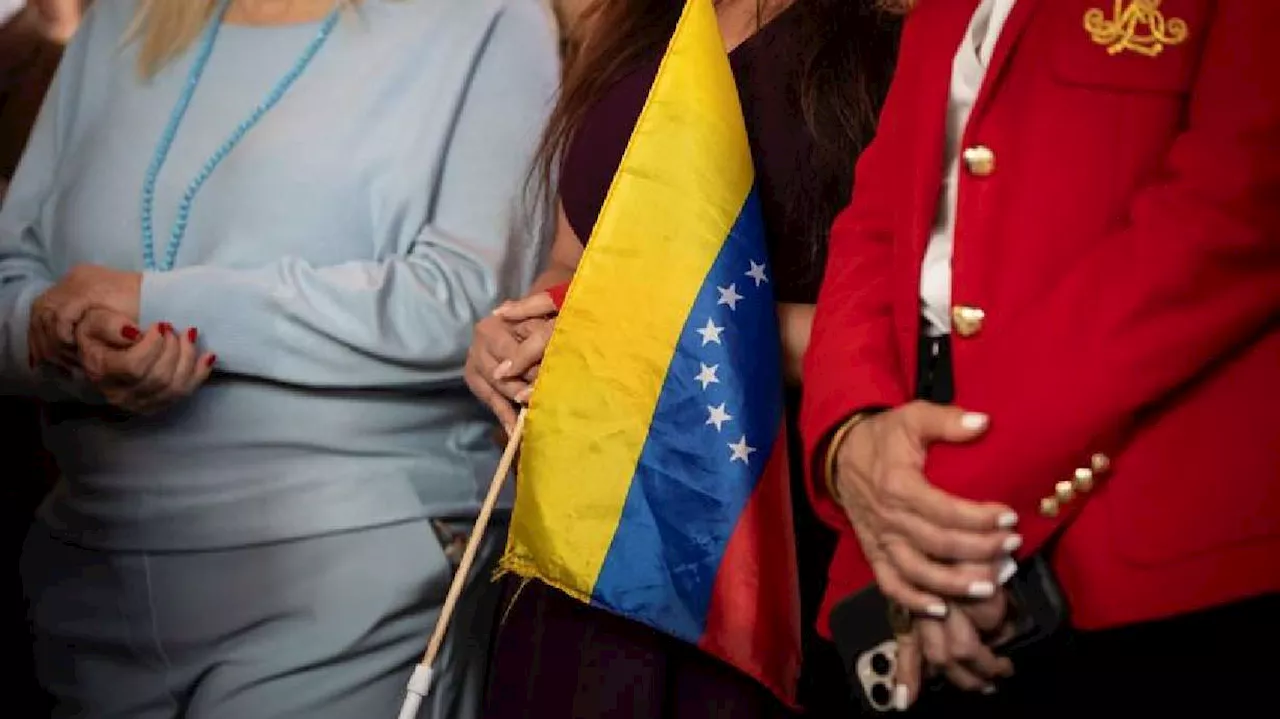
One in three Americans approves of the recent U.S. military strike in Venezuela that led to the capture of President Nicolás Maduro, according to a Reuters/Ipsos poll conducted on March 10 and 11, 2024. The poll, which concluded on Monday, also revealed that 72% of respondents expressed concern that the U.S. might become excessively involved in the South American nation.
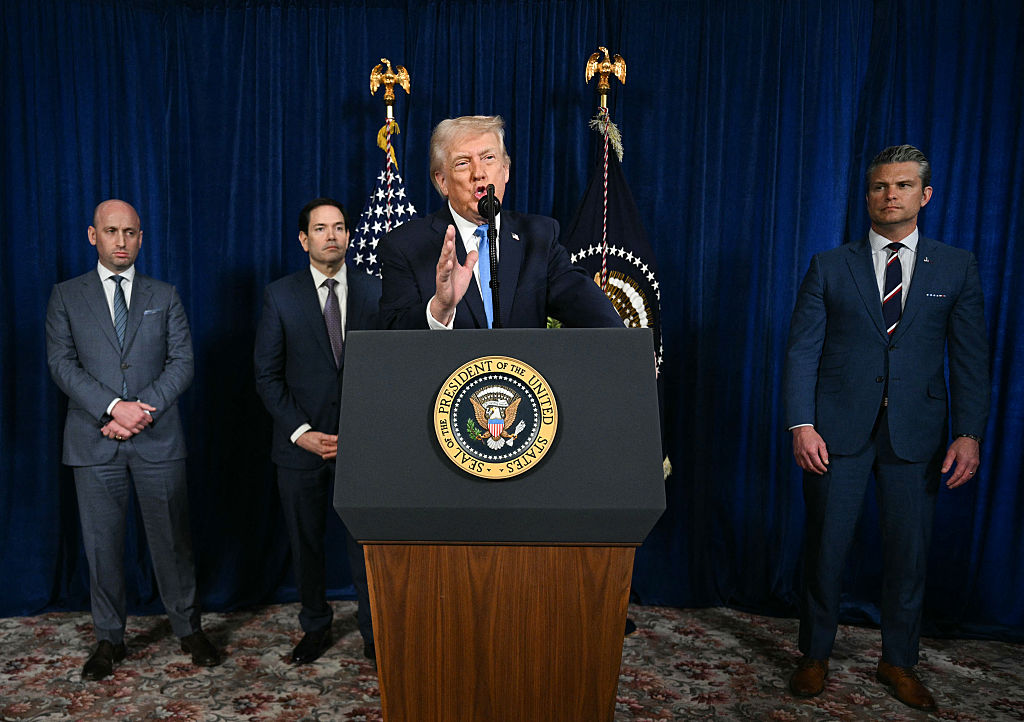
The military operation, which took place early on Saturday in Caracas, resulted in the arrest of Maduro on allegations of drug trafficking. Following the raid, President Donald Trump stated that the U.S. would “run” Venezuela, a notable shift from his previous rhetoric criticizing foreign entanglements. This military action comes as Trump’s administration faces mounting pressures to focus on domestic economic issues ahead of the upcoming midterm elections.
Support among Republicans for the military intervention was substantial, with 65% backing the operation compared to just 11% of Democrats and 23% of independents. The poll showed that 43% of Republicans agreed with a foreign policy aimed at dominating affairs in the Western Hemisphere, while 60% expressed support for deploying U.S. troops to Venezuela.
The implications of this military strike extend beyond immediate political support. 59% of Republican respondents indicated they favored U.S. control over Venezuelan oil fields, emphasizing the strategic interests involved. Trump reiterated his resolve to overhaul the Venezuelan oil industry, claiming the need for “total access” to its resources.
As the situation unfolds, the administration’s intentions regarding the future governance of Venezuela remain unclear. Trump hinted at a strategy that involves exerting pressure on Venezuelan leaders rather than direct governance. He warned, “If they don’t behave, we will do a second strike,” suggesting a willingness to escalate military involvement if necessary.
The findings of this poll illustrate a divided public opinion on U.S. foreign policy, particularly regarding military actions without congressional approval. As the political landscape shifts, the long-term effects of this intervention on both U.S. domestic politics and Venezuelan stability will be closely monitored by analysts and citizens alike.
As Trump prepares for the midterm elections, the military operation in Venezuela may serve as a pivotal issue for voters, shaping perceptions of his leadership and foreign policy approach. The ongoing developments will likely influence future discourse on U.S. involvement in international conflicts and its ramifications for national interests.