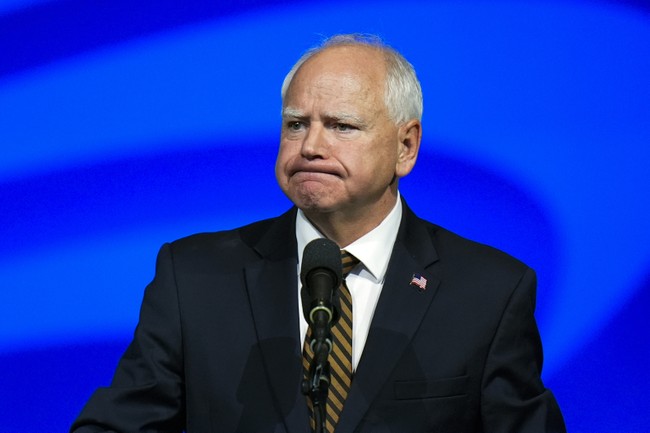
Minnesota Governor Tim Walz made headlines in 2022 when he emphasized the role of Somali refugees in shaping the state’s future. During a public address, Walz stated, “We have more refugees per capita than any other state. That’s not just morally a good thing, it’s our economic and cultural future.” His remarks aimed to highlight the contributions of refugees to Minnesota’s diverse landscape, positioning them as vital to the state’s economic and cultural growth.
The Governor’s assertion that the state embraces a multicultural environment, where “50 languages are spoken in the schools,” has sparked debate. Critics argue that while diversity is valuable, communication barriers can arise in multilingual settings. They question whether a system where numerous languages are prevalent can effectively foster unity and understanding among students.
As the conversation surrounding immigration and cultural integration continues, some find Walz’s emphasis on these issues concerning. They suggest that prioritizing refugee support could lead to the erosion of Minnesota’s existing cultural identities. Detractors have raised alarms about what they perceive as an attempt to replace traditional values with a new cultural framework, drawing comparisons to less stable nations.
The political implications of Walz’s statements have not gone unnoticed. Many have speculated about his ambitions, particularly given his previous aspirations for higher office alongside Kamal Harris. Critics now voice concerns over his leadership capabilities, suggesting that he lacks a firm grasp of economic management. Reports indicate that Walz does not own property or stocks, leading some to question his qualifications to oversee the state’s economy effectively.
In the wake of these discussions, accusations have surfaced regarding potential corruption and mismanagement within the state’s refugee programs. Observers claim that Walz’s remarks could hint at deeper issues related to financial oversight in Minnesota. Some believe that if fraud were to be uncovered, it could implicate not only Walz but also other Democratic leaders.
As public sentiment shifts, the conversation around refugees and their integration into Minnesota society remains contentious. The ongoing debate reflects broader national conversations about immigration policy, economic impact, and cultural identity.
With the political landscape constantly evolving, the implications of Walz’s stance on refugees will likely continue to influence discussions about Minnesota’s future. The dialogue invites residents and leaders alike to consider the balance between embracing diversity and preserving cultural heritage.
For those interested in following the developments surrounding Governor Walz and his policies, Twitchy VIP encourages readers to support independent journalism aimed at holding public officials accountable.