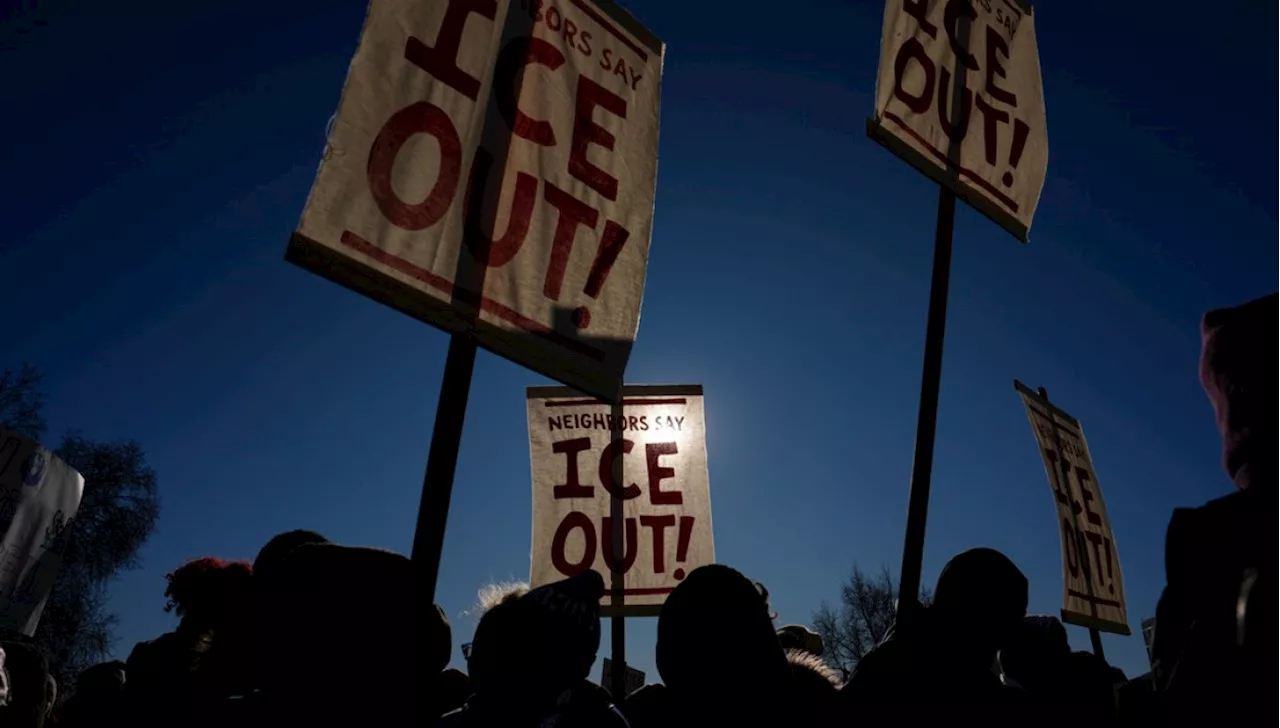
A network of taxpayer-funded bail funds in Minnesota has been instrumental in releasing activists arrested during protests against Immigration and Customs Enforcement (ICE). These funds are facilitating a cycle where individuals, often described as anti-ICE agitators, are quickly apprehended for obstructing immigration enforcement and subsequently released from custody. This system, prevalent in Minnesota, has become a focal point for tensions between left-wing activists and federal immigration officers.
The Legal Rights Center is one of the organizations actively participating in this effort. It operates a newly established bail fund specifically designed to assist activists and undocumented individuals detained in Minneapolis. Through its initiative, Know Your Rights MN, the center provides essential resources for those navigating the complexities of the judicial system while advocating for the abolition of cash bail. The organization has emphasized the need for community-led initiatives, stating that there was significant deliberation regarding its tax-exempt status.
In July 2023, the People’s Bail Fund of Minnesota (PBFMN) announced the release of its first client, attributing the success to community donations. This fund emerged to address the gap left by the Minnesota Freedom Fund, which had previously been a key player in the state’s bail fund landscape. PBFMN operates as a revolving fund that not only posts bail but also aims to support multiple defendants over time, effectively allowing funds to be reused as cases progress.
The organization Know Your Rights MN encourages community members to contribute directly to PBFMN and similar initiatives, suggesting that cash bail disproportionately impacts marginalized groups, including Black, Latinx, Indigenous, and low-income individuals. The group has framed the issue as one where poverty is criminalized in Minnesota. Among other initiatives, PBFMN also supports immigrants from the LGBTQ+ community, further broadening its impact.
The Legal Rights Center has received significant government funding, totaling nearly $5.7 million between 2021 and 2024, which constitutes about two-thirds of its overall revenue. This funding, as reported by the office of Attorney General Keith Ellison, is aimed at addressing racial disparities within the juvenile justice system but does not specify the sources of the funds.
Tensions around ICE activities have escalated in Minneapolis, particularly following the shooting of Renee Good, an incident that has prompted increased public outcry and activism. Governor Tim Walz has publicly encouraged residents to resist ICE actions, stating that agents have been “kidnapping people with no due process.” This political climate has only intensified the efforts of organizations like Know Your Rights MN, which recently revamped their website to promote bail funds and provide guidance on evading law enforcement during protests.
Various grassroots organizations, including Blackbird Revolt, are also contributing to the anti-ICE movement by distributing materials that promote the abolition of ICE. These efforts include educational sessions for youth aimed at teaching advocacy and rights protection during police encounters.
A growing number of funding sources from established grantmaking foundations have supported these organizations, highlighting the extensive financial backing for the anti-ICE movement in Minnesota. The Legal Rights Center alone has received substantial contributions from entities like the New Venture Fund, showcasing the broad network of support for these initiatives.
As the confrontation between activists and federal immigration enforcement continues, the effectiveness of Minnesota’s bail funds in facilitating the release of protesters raises important questions about the future of immigration enforcement and community-led resistance strategies. The ongoing dialogue surrounding these issues indicates a complex landscape where legal, social, and political elements intersect in the fight against perceived injustices in immigration policy.