A significant increase in campaign spending has emerged in two San Antonio-area legislative races, attracting attention that these contests previously lacked. Financial reports covering the period from January 23 to February 21, 2024, revealed heavy investments from state and national political action committees (PACs) in a Republican primary in House District 118. Candidates are vying to replace outgoing state Representative John Lujan (R-San Antonio), with a notable focus on school voucher advocacy.
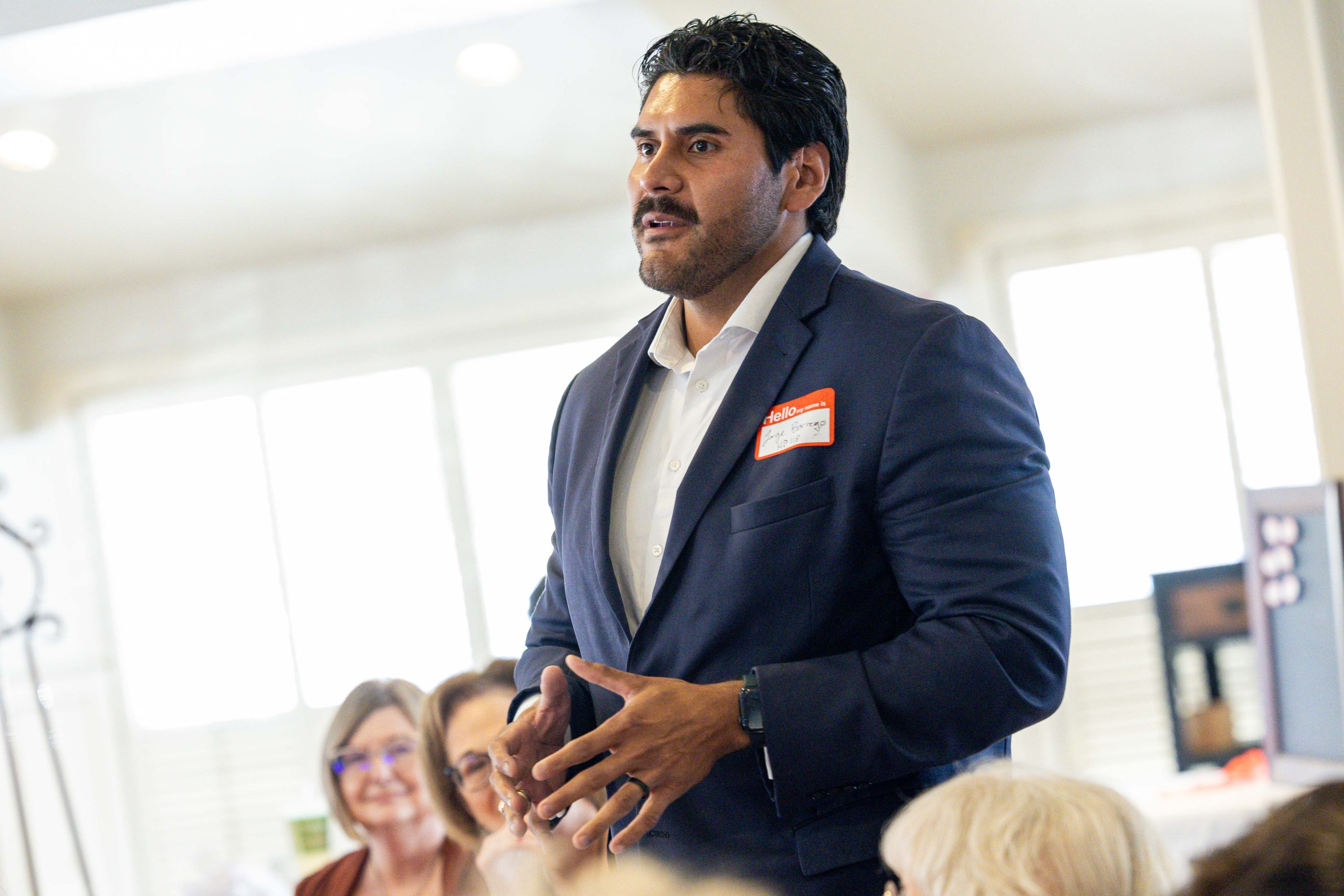
In the Republican primary, candidate Jorge Borrego, a 30-year-old former scholar at the Texas Public Policy Foundation, has seen a remarkable uptick in funding. Borrego played a role in crafting Governor Greg Abbott’s Education Savings Account program during the last legislative session. He is now one of three Republicans competing for the nomination in this district. His main opponent, attorney Desi Martinez, initially appeared to have a secured position but now faces a barrage of attack advertisements funded by Borrego’s supporters.
The AFC Victory Fund, a national school choice organization, has launched advertisements portraying Martinez in a manner reminiscent of the 2008 Obama campaign, highlighting his past as a Democrat. Martinez’s campaign has countered that he does not support school vouchers, a pivotal issue in previous GOP primaries. Notably, the recent reports indicate that Borrego raised an impressive $360,000, with much of this funding attributed to the influential Texans for Lawsuit Reform (TLR), which aims to support candidates endorsing tort reform.
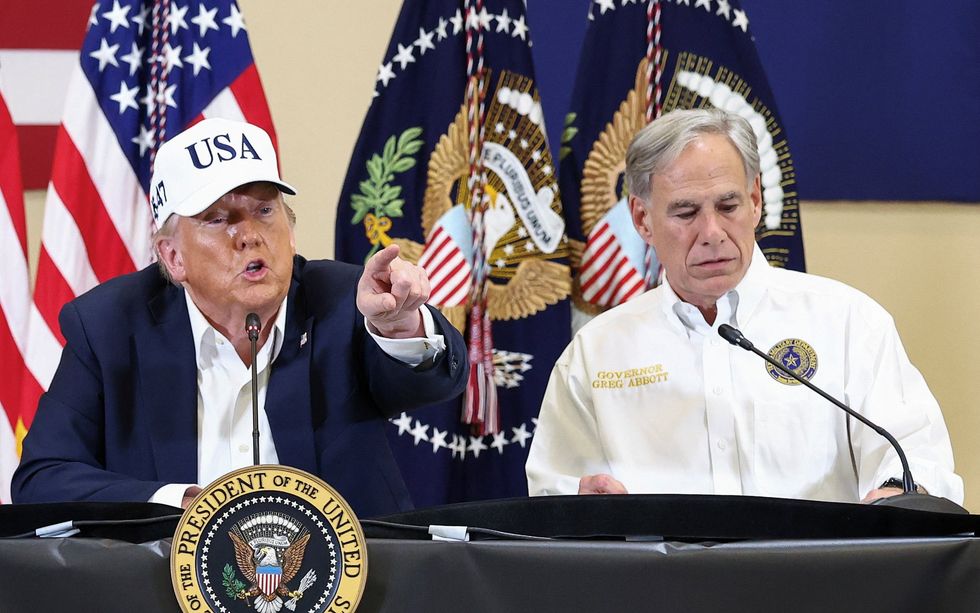
Borrego’s campaign is further buoyed by Abbott’s involvement, as the Governor plans to join him at a local event on Thursday morning. Consultant Greg Brockhouse, assisting Martinez’s campaign, expressed concerns about the overwhelming financial backing Borrego is receiving from external interests rather than local voters.
In a contrasting race, Democratic Representative Liz Campos is vigorously campaigning against Ryan Ayala, a 25-year-old first-time candidate with ties to a politically active family. Campos, who has represented the Southwest side of San Antonio since 2020, has been proactive in her fundraising efforts, bringing in $180,000 and spending $115,000 in the lead-up to early voting. Her campaign has focused on Ayala’s familial connections to political lobbying, with advertisements suggesting they benefit from public contracts.
Ayala has rejected these attacks, emphasizing his motivation to serve the community rather than engage in personal disputes. He has invested approximately $100,000 of personal and family funds into his campaign, countering with ads that question Campos’s loyalty to local interests.
The primary process in Texas is creating unexpected dynamics, particularly in House District 122, where Republican Mark Dorazio faces a competitive challenge from Willie Ng. Dorazio raised $96,000 and spent $320,000 recently, while Ng attracted $365,000 in contributions, bolstered by support from tort reform advocates.
Overall, the competitive landscape in the San Antonio area reflects an evolving political environment where outside interests are increasingly influencing local races. With early voting approaching, these candidates must navigate not only their immediate opponents but also the substantial financial forces at play in their campaigns.