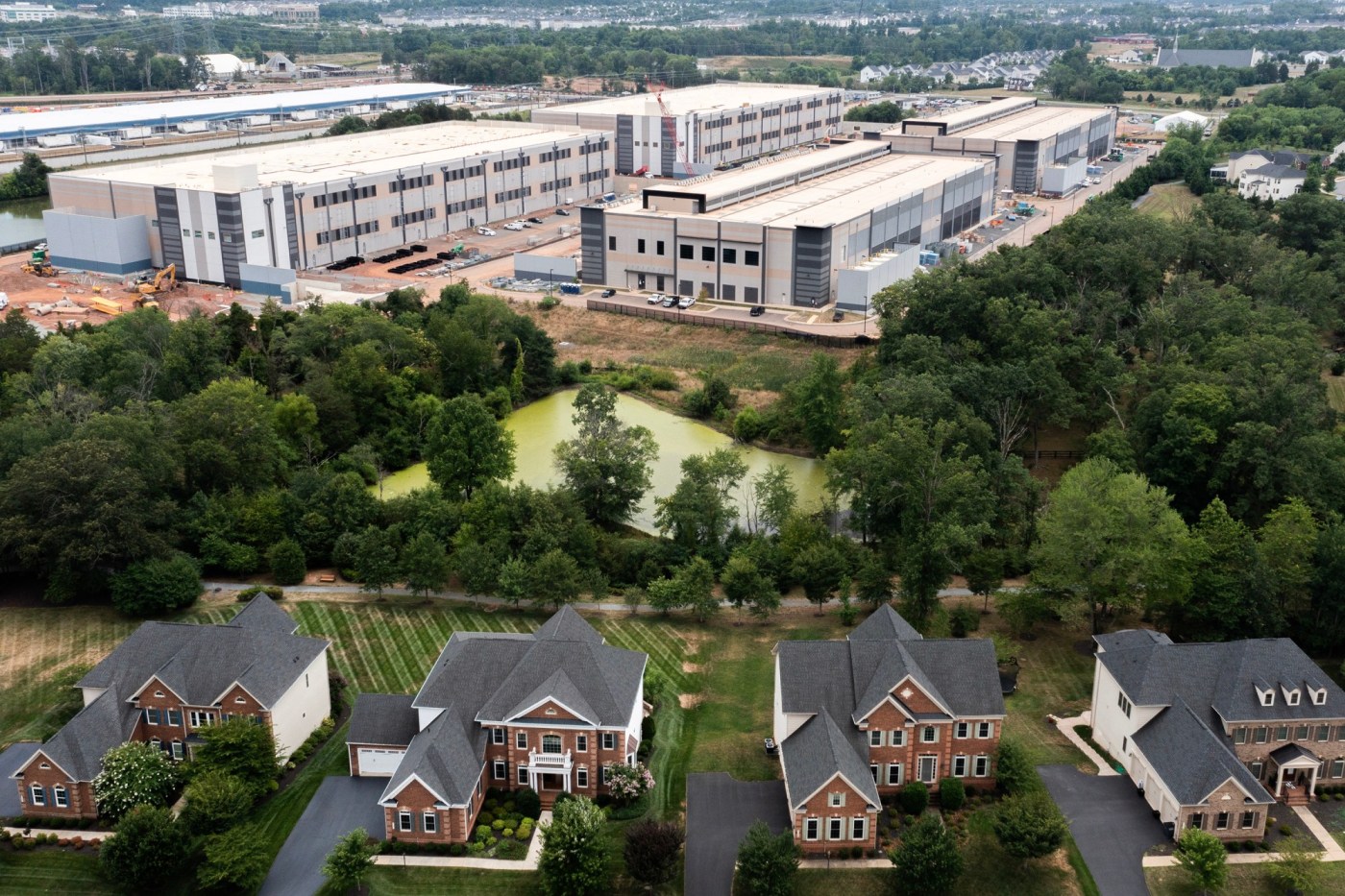
Local officials in Pennsylvania are increasingly endorsing the expansion of data centers, raising significant concerns among community leaders about their environmental and social implications. Jon Irons, a commissioner in Lehigh County and vice chair of the Development and Planning Committee, argues that these facilities pose one of the greatest threats to local communities. In a recent opinion piece, he emphasized the need for residents to actively respond to the proliferation of data centers, which he describes as a project driven by corporate interests rather than the long-term welfare of the community.
According to Becky Bradley, Executive Director of the Lehigh Valley Planning Commission, data centers are becoming the “new reality.” However, Irons contends this perspective reflects a dangerous acceptance of corporate development at the expense of local needs. He draws parallels between the negative impacts of next-day delivery services, such as deteriorating infrastructure and air quality, and the potential consequences of allowing data centers to flourish in the region.
Irons highlights the economic challenges faced by residents, particularly in light of rising utility costs. He notes that similar projects in states like Virginia and Georgia have resulted in increased electricity rates for citizens, with data centers benefiting from substantial tax and utility subsidies. “Data centers drive up the price of utilities,” Irons warns, emphasizing that even residents far from these centers will likely feel the financial strain.
Beyond economic concerns, Irons also underscores environmental threats posed by data centers. These facilities require vast amounts of water for cooling and often discharge wastewater back into the environment. He points to the Colossus data center in Shelby County, Tennessee, which has emerged as a significant emitter of nitrogen oxides, contributing to local air pollution. Irons raises a crucial question: “Are we willing to give up our access to clean air so that corporations can sell a better AI product?”
The implications for land use are equally troubling. Data centers typically do not create substantial local employment opportunities or provide products that directly benefit communities. Instead, they support technologies that can lead to negative outcomes, such as wrongful arrests driven by surveillance systems and automated decision-making in healthcare that can deny essential services to families.
Irons calls for a reevaluation of the region’s priorities, arguing that leaders must not cede control to corporations during this critical juncture. “In a democracy, the people decide what is in their collective self-interest,” he states, referencing anthropologist Jason Hickel. He advocates for community-driven discussions surrounding development, urging residents to resist the expansion of data centers and explore alternatives that align with local needs.
“If we want real democracy, we need to extend it to the economy,” Hickel argues, reinforcing the need for a shift in focus towards social and ecological priorities. Irons encourages residents to learn from the experiences of other communities and to organize around the shared understanding of the risks associated with data centers.
As discussions around data center development continue, Irons remains steadfast in his belief that the Lehigh Valley can serve as a leader in regulating such facilities. He asserts that the region possesses unique qualities that could help shape a sustainable future driven by human intelligence rather than corporate interests. “Let’s make it an exceptional leader in data center regulation,” he concludes, emphasizing the importance of community empowerment in decision-making processes.
This opinion piece reflects the views of its author, Jon Irons, and not necessarily those of the publication. Community members are encouraged to consider the implications of data center expansion and to engage in discussions that prioritize the long-term health and prosperity of the Lehigh Valley.