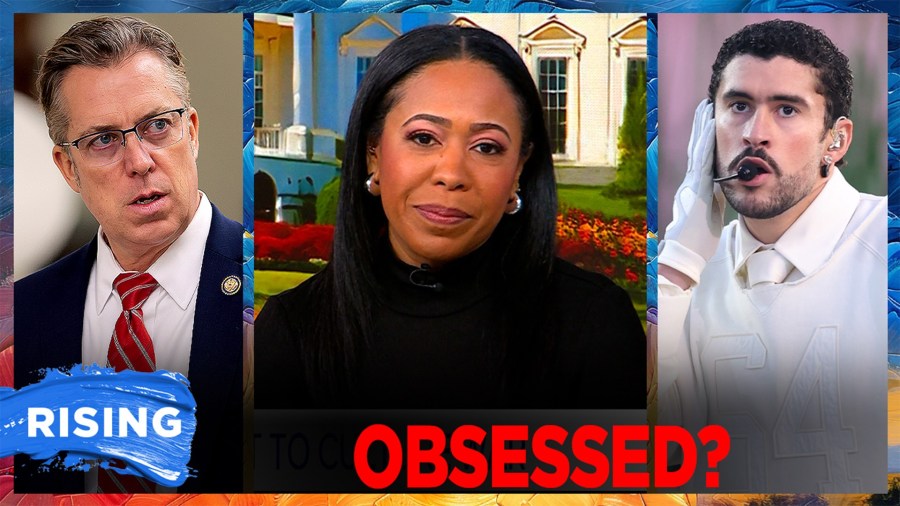
Controversy has emerged following a statement from Andy Ogles, a representative from Tennessee, who has accused Puerto Rican artist Bad Bunny of broadcasting what he described as “gay pornography” during the Super Bowl halftime show. This claim has sparked a heated debate about the appropriateness of content presented during such high-profile events.
While the country grapples with significant issues, including a looming government shutdown and disarray in immigration policy, Ogles’ remarks have drawn attention to a federal inquiry into the halftime performance. Critics argue that this focus distracts from pressing legislative matters facing Congress.
Contention Surrounding Bad Bunny’s Performance
During the Super Bowl, which took place on February 12, 2023, Bad Bunny’s show featured bold imagery and themes that resonated with his fan base. Ogles, however, expressed his disapproval in a public statement that quickly garnered media coverage. He claimed that the performance was inappropriate for family viewing, suggesting it conveyed sexual messages that were not suitable for a general audience.
In response to Ogles’ accusations, many supporters of Bad Bunny have defended the artist, emphasizing the importance of expression and representation in mainstream media. They argue that the halftime show reflects diversity and inclusivity, which are vital in today’s society.
Moreover, the controversy has prompted discussions about the role of lawmakers in regulating artistic content. As various representatives focus on cultural issues, critics warn that such actions could lead to censorship, impacting artists’ freedom of expression.
Political Climate and Legislative Challenges
The political climate in the United States is currently fraught with tension over several key issues. The potential for a government shutdown looms large, with negotiations over funding and immigration policy remaining unresolved. As Congress struggles to pass essential legislation, some lawmakers are concerned that inquiries into entertainment figures like Bad Bunny may divert attention from critical governance responsibilities.
The juxtaposition of a federal inquiry into a musical performance against a backdrop of significant legislative challenges raises questions about priorities in Washington. Advocates for more focused governance argue that lawmakers should concentrate on pressing national concerns rather than engaging in cultural debates.
In conclusion, the situation surrounding Bad Bunny’s halftime performance serves as a flashpoint for broader discussions about culture, politics, and the responsibilities of elected officials. As the nation navigates complex political waters, the implications of Ogles’ remarks will likely continue to resonate in the public sphere.