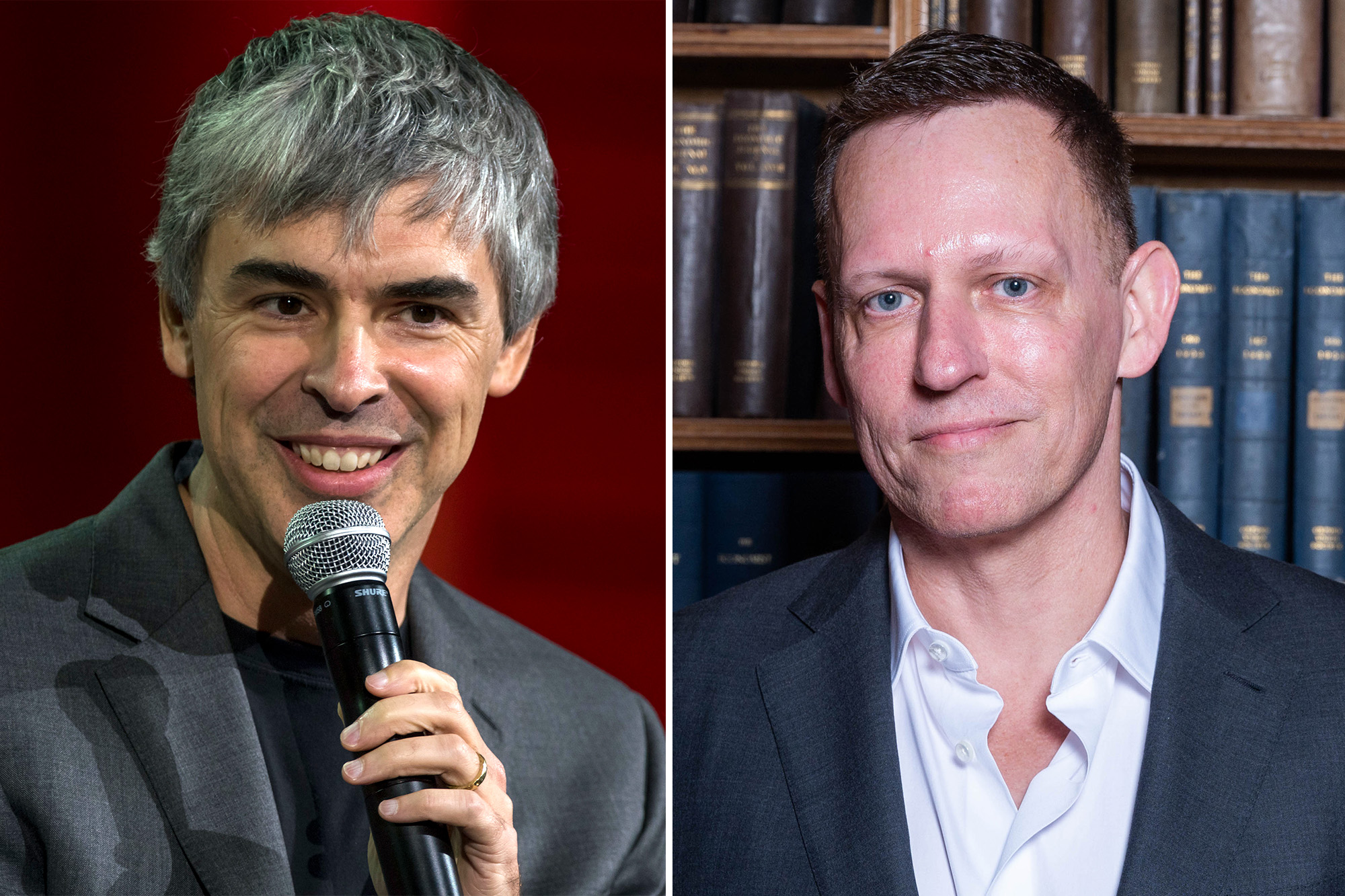
Google co-founder Larry Page is reportedly preparing to leave California due to the potential implementation of a billionaire tax that could significantly impact his wealth. The proposed tax, which would impose a 5% tax on the total wealth of billionaires, could amount to approximately $12 billion for Page and $1.2 billion for fellow billionaire and venture capitalist Peter Thiel, as noted by the New York Times.
In response to this looming tax, Page has taken steps to incorporate businesses in Florida, signaling a desire to relocate. Thiel, who has a residence in the Hollywood Hills, is also exploring options for his venture firm outside of California. Additionally, venture capitalist Chamath Palihapitiya has indicated that he is considering a move to Texas, confirming his plans in a post to Senator Ted Cruz.
The billionaire tax is set to appear on the ballot in November 2024 if its proponents can gather approximately 870,000 voter signatures by spring. Advocates argue it could generate around $100 million to support California’s struggling healthcare system by targeting about 200 individuals with net worths exceeding $1 billion.
As the proposed tax is expected to apply to billionaires residing in California starting January 1, 2026, many wealthy individuals are reportedly considering changing their residency before the end of 2025. David Lesperance, a tax advisor for California billionaires, warns that the tax could backfire. Given that the top 1% of earners contribute nearly 40% of the state’s income tax revenue, a mass exodus of billionaires could result in a significant annual loss of tax revenue, potentially amounting to “hundreds of millions of dollars or more,” according to a state budget analyst.
Wealthy individuals often find it easier to relocate to states with more favorable tax regimes, such as Nevada, Florida, or Texas. Lesperance noted, “Those Golden Geese have wings!” suggesting that billionaires may take various measures to establish residency elsewhere, including selling or renting their California properties, spending less time in the state, and changing their drivers’ licenses or voting registrations.
Opposition to the billionaire tax is also gaining traction. A committee named Stop the Squeeze has reportedly raised $100,000 from venture capitalist Ron Conway, signaling organized resistance to the measure. California Governor Gavin Newsom has publicly voiced his opposition to the tax, yet he may face pressure from progressive factions eager to extract additional revenue from the state’s wealthiest citizens.
Supporters of the tax, including representatives from the SEIU-UHW union, argue that the 5% tax is a minor financial burden. Suzanne Jimenez, chief of staff for the union, stated that the proposed tax would still leave billionaires paying less than they did under President Ronald Reagan‘s administration.
As discussions continue, the implications of the proposed billionaire tax could reshape the landscape of wealth and residency in California, as high-net-worth individuals weigh their options in a changing fiscal environment.