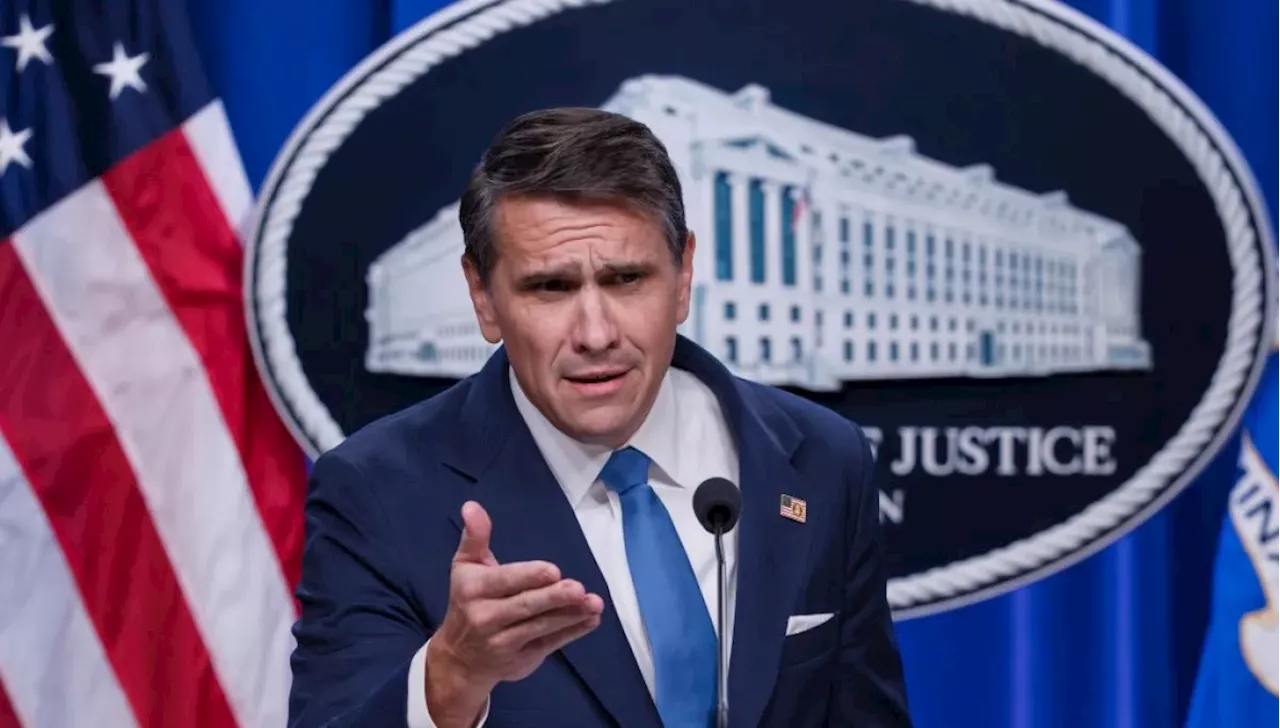
The U.S. Department of Justice terminated the appointment of James Hundley as the top federal prosecutor for the Eastern District of Virginia shortly after his selection by district judges. This abrupt dismissal underscores ongoing tensions surrounding the appointment of U.S. attorneys, especially those involved in politically sensitive cases.
In an unusual turn of events, Hundley was informed of his termination through social media less than a day after being chosen. The announcement from the Justice Department included a pointed remark from a district court judge: “EDVA judges do not pick our U.S. Attorney. POTUS does. James Hundley, you’re fired!” This statement reflects the legal contention regarding the authority to appoint and dismiss U.S. attorneys, particularly in an environment marked by political scrutiny.
The process for appointing an interim U.S. attorney allows district judges to select a candidate when the previous interim appointee’s 120-day term expires, provided there is no Senate-confirmed nominee in place. However, the Trump administration has contested this approach, asserting that ultimate authority over such nominations resides with the President. This has created a complicated situation where the President retains the right to dismiss any court-appointed U.S. attorney, leading to potential conflicts within the judicial system.
Hundley’s dismissal parallels a recent incident involving Donald Kinsella, who was also fired by the Justice Department just hours after being named acting U.S. attorney for the Northern District of New York. Kinsella was appointed to replace John Sarcone III, whose interim term expired, further illustrating the ongoing turbulence in federal prosecutor appointments.
The Eastern District of Virginia has been at the center of controversy in recent months. Notably, Halligan, a former personal attorney to President Trump, has pursued indictments against high-profile figures, including former FBI Director James Comey. Questions surrounding Halligan’s appointment arose when attorneys for those indicted argued that her appointment was unlawful due to the prior interim U.S. attorney already having been appointed.
After Halligan’s term ended in January, the court sought applicants for the position, stating that the role would remain until a Senate-confirmed individual was appointed. The legal landscape surrounding these appointments remains uncertain, as the DOJ’s actions continue to generate debate about the balance of power between the executive branch and the judiciary.
As the situation unfolds, it highlights the ongoing complexities and political implications of federal prosecutor appointments in the United States. With the Justice Department’s recent actions, the tension between judicial independence and executive oversight appears likely to persist, raising important questions about the future of such appointments and their impact on the legal system.