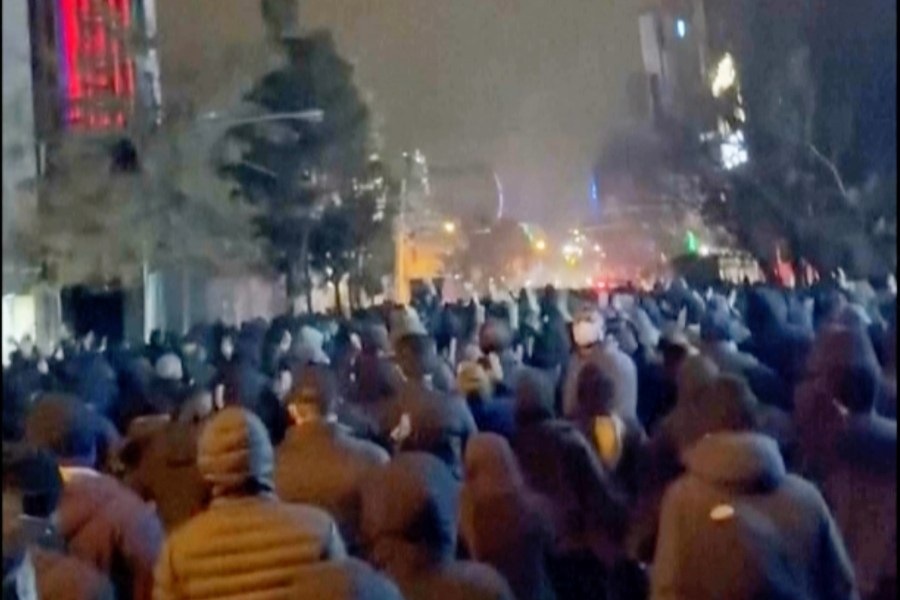
Nationwide protests in Iran have entered their second week, with demonstrators taking to the streets in both Tehran and the country’s second-largest city, Mashhad. Activists report that the ongoing unrest has resulted in a death toll of at least 116 people as tensions escalate across the nation. The protests initially erupted in response to widespread discontent with the theocratic regime and have since grown into a significant challenge to its authority.
Internet access has been severely restricted, with reports indicating that phone lines have been cut off in many areas, complicating efforts to assess the full scale of the unrest. Activists have expressed concern that the lack of communication infrastructure is hindering their ability to report on developments and mobilize supporters.
Government Response to Protests
In light of the escalating situation, Iran’s parliament convened to discuss the protests. Officials are under pressure to address the grievances of the demonstrators while maintaining control over the increasingly volatile environment. The Iranian government has previously responded to protests with force, leading to significant casualties and widespread criticism from human rights organizations.
The protests have drawn attention not only within Iran but also from the international community. Human rights advocates have called for urgent action to address the situation, emphasizing the need for accountability in the face of reported human rights abuses.
Activists continue to call for peaceful demonstrations, urging the government to listen to the voices of the people. They argue that the protests are a reflection of deep-seated frustrations over issues such as economic hardship, political repression, and social injustice.
Impact on Civilians
As protests continue, civilians are caught in the crossfire. Many families are mourning the loss of loved ones, while others are living in fear of violence. The ongoing unrest has also disrupted daily life, with schools and businesses closing in affected areas.
The situation remains fluid, with the potential for further escalation. Activists are appealing for international support to ensure that the rights of the Iranian people are respected. The global community is watching closely as the events unfold, recognizing the importance of solidarity with those advocating for change in Iran.
The current unrest represents a critical moment in Iran’s history, with protesters demanding accountability and reform. The government’s response will likely shape the future of the nation and its relationship with both its citizens and the international community.