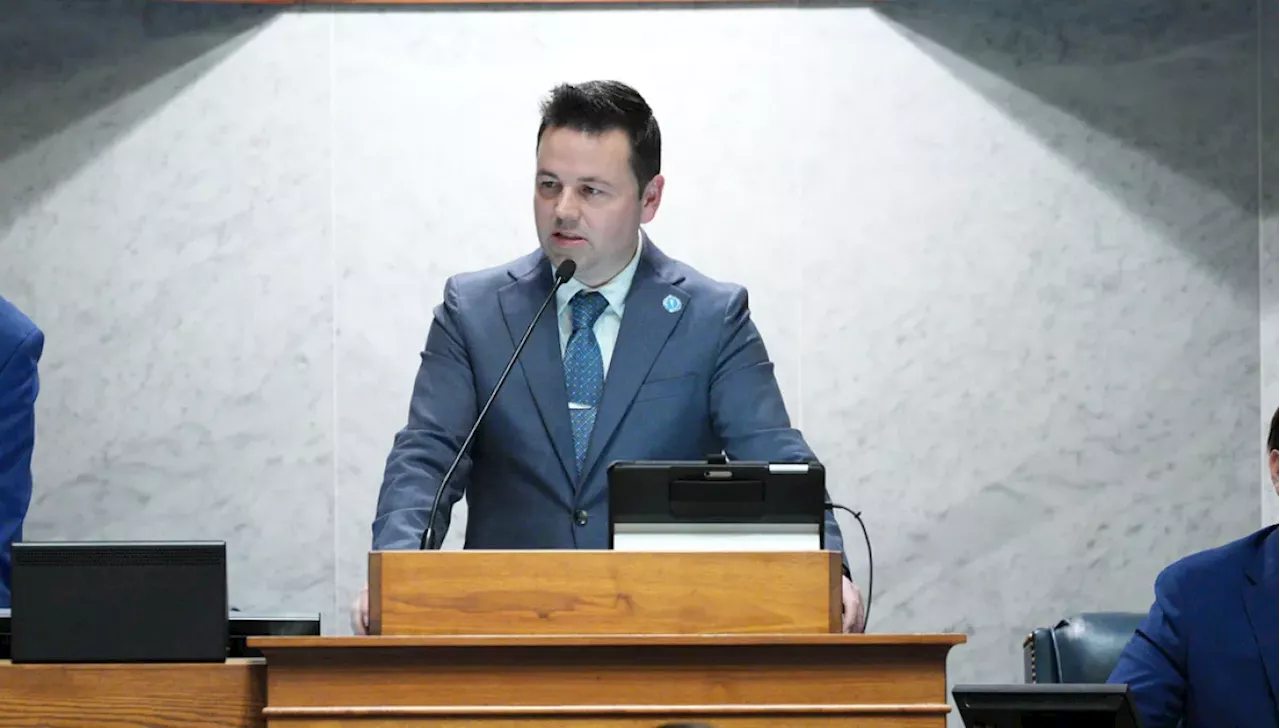
Indiana’s Lieutenant Governor, Micah Beckwith, has expressed concerns that the Trump administration may reconsider its partnership with Indiana following a failed redistricting effort supported by President Donald Trump. In a recent statement, Beckwith indicated that the administration’s potential withdrawal of federal funding could be a direct consequence of the Indiana Republican Party’s inability to unify behind the proposed congressional map.
On March 7, 2024, Indiana’s State Senate voted 31-21 against the redistricting plan, which had been a priority for Trump and his allies. This decision followed pressure from groups like Heritage Action and sparked discussions about the state’s future relationship with the federal government. Beckwith noted that while he did not categorize Trump’s comments as a threat, he suspects that the administration may seek partnerships with other states that are more aligned with its goals.
“Yes, these conversations happened,” Beckwith stated. “But it’s not a threat. It’s an honest conversation about who does the administration want to partner with. There are 49 other states competing for all kinds of projects. Indiana told them today they don’t want to be a good partner, and I suspect they will look to partner with other states before us.”
The implications of the vote are significant, especially regarding federal projects that may now be jeopardized. Beckwith highlighted a specific concern regarding a potential partnership with the USDA, which could be sidelined if the state continues to reject the administration’s proposals.
Despite being less involved in the redistricting discussions, Beckwith criticized a faction of Republican senators for their role in the failure, including state Senate President Pro Tempore Rodric Bray. Governor Mike Braun also voiced his disappointment, labeling the senators’ actions as misguided and contrary to the interests of Hoosiers.
“I am very disappointed that a small group of misguided State Senators have partnered with Democrats to reject this opportunity to protect Hoosiers with fair maps and to reject the leadership of President Trump,” Braun remarked. “Ultimately, decisions like this carry political consequences. I will be working with the President to challenge these people who do not represent the best interests of Hoosiers.”
The failed redistricting effort has raised questions about the future dynamics within the Indiana Republican Party, particularly as Trump continues to exert influence over party members. Beckwith’s endorsement of a primary challenge against Bray suggests a growing rift that may have lasting political ramifications.
As the situation unfolds, it remains to be seen how Indiana lawmakers will navigate the complexities of federal support and intra-party relations. The coming weeks are likely to reveal more about the ongoing tensions within the state’s Republican leadership and their implications for Indiana’s political landscape.