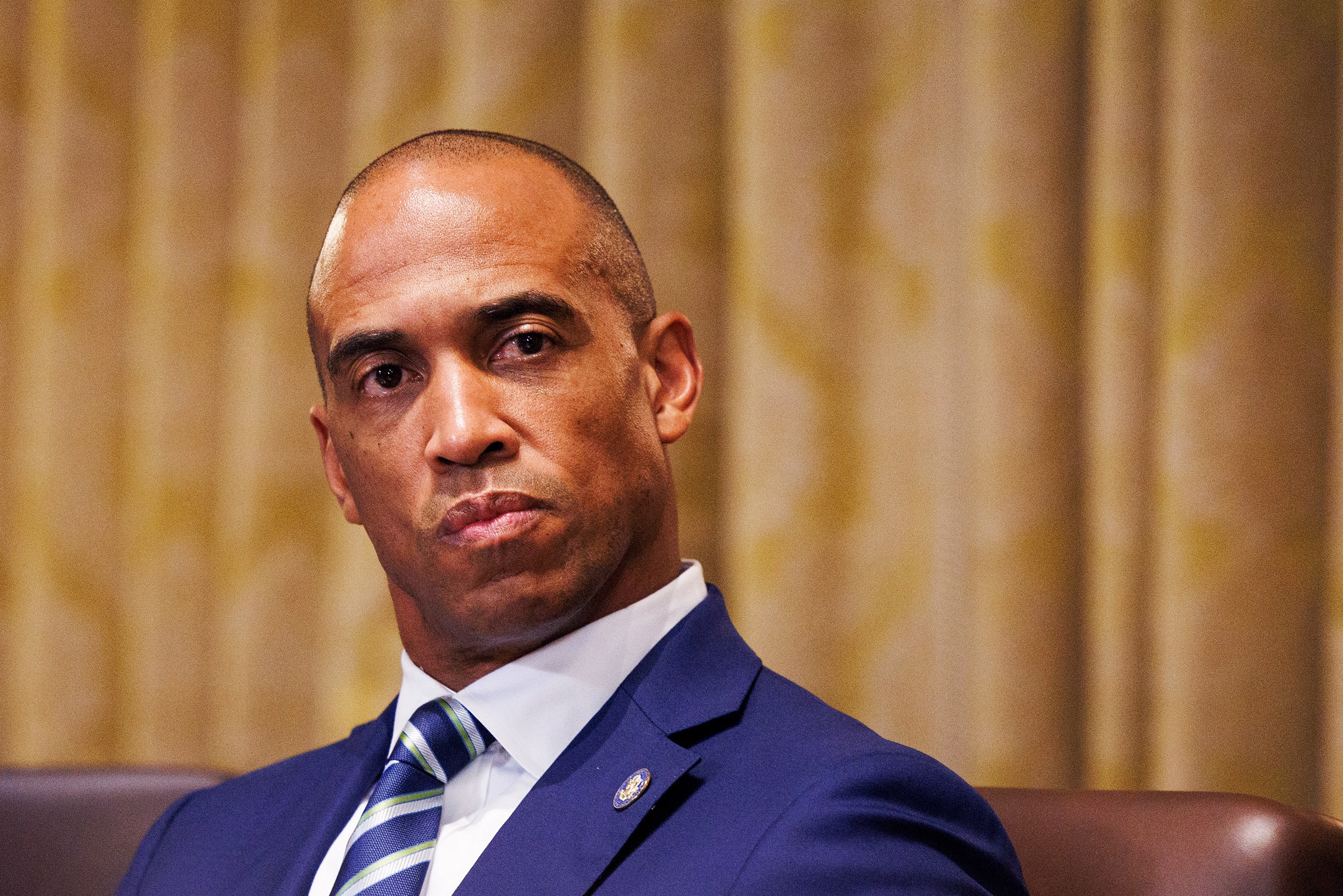
The Department of Housing and Urban Development (HUD) has proposed a new rule that could put thousands of individuals at risk of homelessness. This controversial measure, introduced by HUD Secretary Scott Turner on March 15, 2024, aims to prevent households with undocumented immigrants from accessing federal housing benefits.
Under the proposed regulation, local housing authorities would be required to report any tenant deemed ineligible for rental aid to U.S. Citizenship and Immigration Services. According to reports, this initiative reflects a broader immigration policy under the Trump administration, which has been characterized by a crackdown on immigration.
The new rule specifically targets families with any member who is undocumented, thereby restricting their eligibility for federally subsidized housing. In an opinion piece published in the Washington Post, Turner stated that the objective is to end what he termed the “era of illegal aliens and other ineligible noncitizens exploiting public housing resources.” He claimed that approximately 24,000 undocumented immigrants reside in homes where the primary occupant is receiving housing assistance.
Critics argue that this regulation unfairly penalizes mixed-status households, where one or more members may lack documentation while others are U.S. citizens. The suggestion that the presence of an undocumented immigrant constitutes fraud against taxpayers is viewed by many as a problematic interpretation of housing policy.
According to NPR, undocumented individuals are already prohibited from receiving federal rental assistance. Therefore, the focus of this proposed rule appears to be on families rather than individual eligibility. This has raised concerns among advocacy groups and housing experts who argue that the rule could exacerbate existing homelessness issues rather than alleviate them.
Numerous housing industry executives have voiced their opposition to the administration’s stance on immigration, asserting that it undermines efforts to build new homes for American citizens. They contend that the aggressive policies targeting immigrants are detrimental, as they hinder the housing market’s ability to expand and meet demand.
The administration’s approach to immigration has come under scrutiny as it continues to push for policies that critics argue lack transparency and fairness. For instance, recent attempts to challenge birthright citizenship and deport U.S. citizens have led to growing distrust about the government’s determinations regarding lawful residency.
Despite the backlash against the proposed rule, Turner maintains that the intention is to protect public housing resources for eligible citizens. However, the rhetoric surrounding the issue has raised alarm among advocates who see it as part of a broader campaign rooted in xenophobia and discrimination.
As this situation unfolds, the implications of HUD’s proposed rule will likely continue to spark debate among policymakers and community leaders alike. The administration’s focus on immigration appears to be shifting the narrative on housing assistance, potentially reshaping the landscape for vulnerable populations across the United States.