On January 1, 2026, the United States will commence a significant celebration, marking the 250th anniversary of its founding. This year also coincides with the 100th anniversary of the Dexter Southfield School, located in Brookline, Massachusetts. As the nation reflects on its past, it is essential to consider the implications of history on contemporary civic responsibility. Renowned historian David McCullough once stated, “History is who we are and why we are the way we are,” emphasizing the need to honor those who came before while contemplating the actions we must undertake for the future.
Embracing Responsibility Through History
In this year of milestones, the lessons of history resonate with particular urgency. McCullough believed that history is a living narrative, filled with individuals who persevered through challenges and fought for a better future. This belief underlines the importance of civic engagement, which has increasingly been overshadowed by performative participation. According to McCullough, democracies thrive only when citizens acknowledge the fragility of institutions and the ease with which freedoms can diminish when people disengage.
Founded in 1926, Dexter Southfield School emerged from a vision held by families who viewed education as crucial for shaping responsible citizens rather than merely a pathway to individual success. The school has produced notable alumni, including a young John F. Kennedy. Long before he became a prominent national figure, Kennedy was influenced by an educational environment that championed history, debate, public speaking, and community service. The values he absorbed at Dexter played a significant role in molding his leadership style.
Lessons from Leadership and Civic Duty
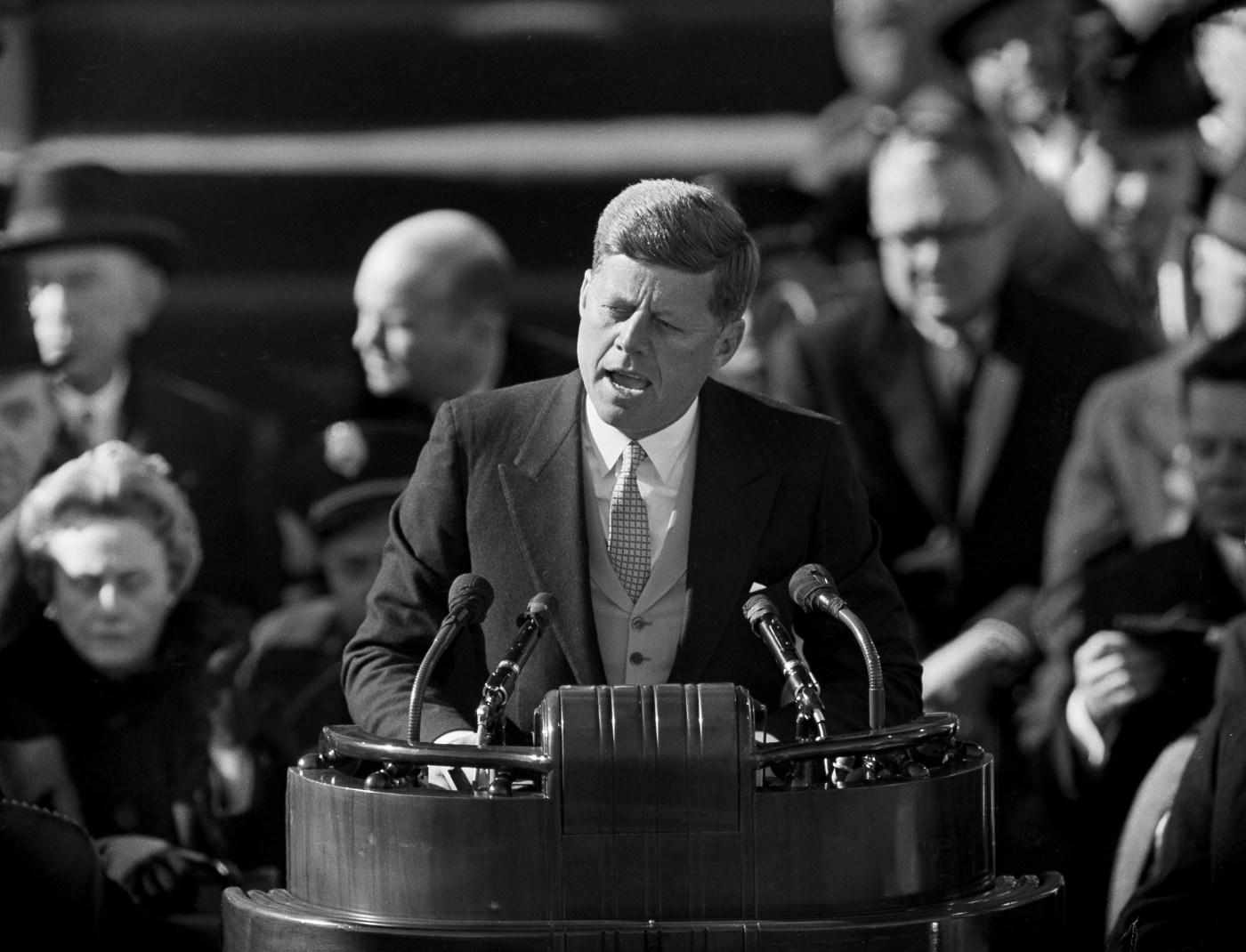
History does not demand perfection; rather, it remembers those who strive for the greater good. Kennedy’s famous challenge in 1961—“ask not what your country can do for you, ask what you can do for your country”—serves as a powerful reminder of the call for active engagement and shared responsibility. McCullough emphasized that democracy relies on individuals who participate in their communities, engaging in discussions that shape the future of society.
As the United States commemorates both its national founding and the establishment of Dexter Southfield School, it becomes clear why understanding history is paramount. McCullough once described himself as a “short-term pessimist and a long-term optimist,” recognizing the challenges of the present while advocating for the possibility of progress through sustained engagement. He believed that history is a gift, entrusted to those willing to learn from the past and apply its lessons moving forward.
Sixty-five years ago, during his inaugural address, President Kennedy proclaimed that “the torch has been passed” to a new generation. Today, that torch continues to be passed in classrooms, communities, and through daily choices that shape the collective future. As we enter this significant year, embracing our historical inheritance with gratitude and courage can enhance civic life and reinforce the institutions that uphold democracy. History, indeed, calls us to action.
Dr. Peter F. Folan, the Head of School at Dexter Southfield, urges current and future generations to heed this call as they navigate the complexities of civic life in 2026 and beyond.