As the festival of Hanukkah begins, families around the world are embracing traditions that not only celebrate the holiday but also reflect on its historical significance. For many, this year feels different, as societal concerns about antisemitism loom large alongside the joyous rituals. The holiday, which commemorates the triumph of the Maccabees over the Greeks in 165 B.C., is steeped in history and meaning that resonates deeply with individuals and communities today.
The Historical Roots of Hanukkah
Hanukkah, often associated with gift-giving, actually centers on the rich history and customs surrounding the celebration. In 190 B.C., the Greek occupation of Israel imposed heavy burdens on the Jewish population, demanding financial support for their military and the housing of soldiers. The installation of a statue of Zeus in the Temple courtyard, along with orders to sacrifice pigs to Greek idols, sparked a rebellion led by Mattathias and the Maccabees.
Despite being outnumbered, the Maccabees, with their guerrilla tactics, ultimately defeated the larger Greek army. Following their victory, they discovered a small flask of oil that miraculously lasted for eight days, prompting the eight-day observance of Hanukkah and the lighting of candles on a menorah.
Traditions That Unite Families
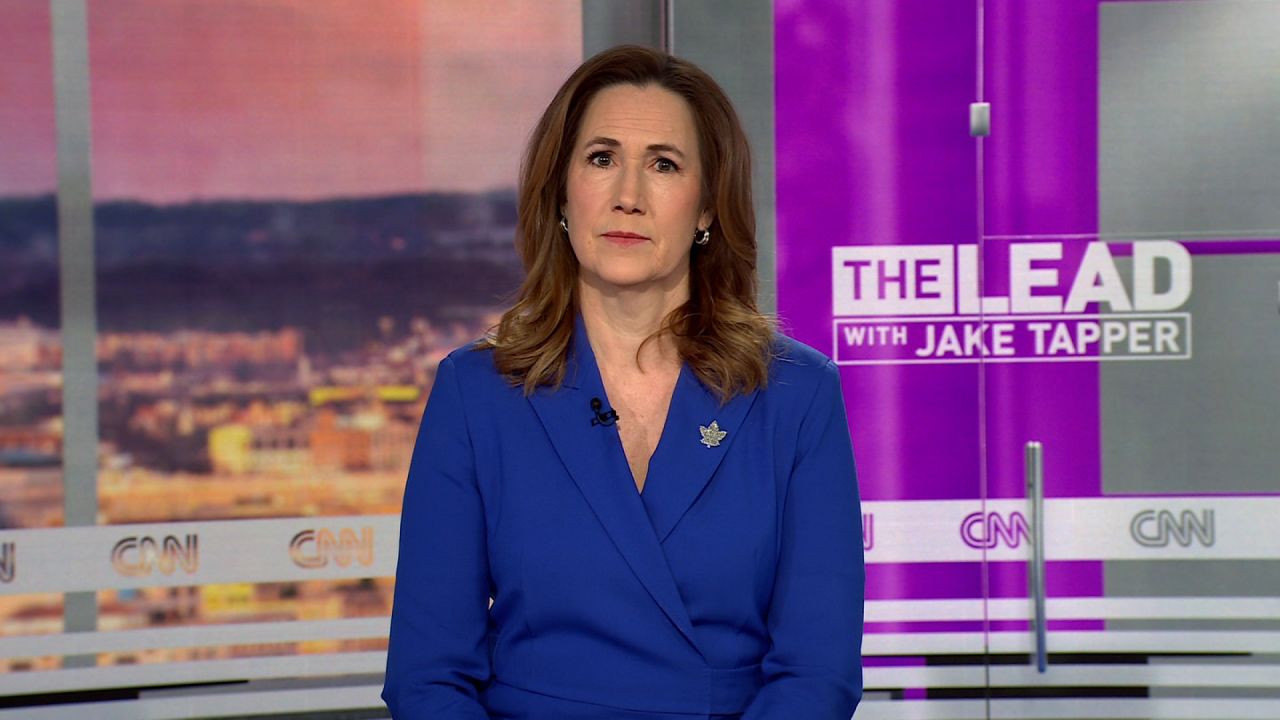
For many, including writer Jill Ebstein, the essence of Hanukkah lies not in presents but in the cherished family traditions. One such tradition is the preparation of latkes, fried potato pancakes that fill homes with a delightful aroma. These are often served with applesauce and sour cream, enhancing the festive atmosphere.
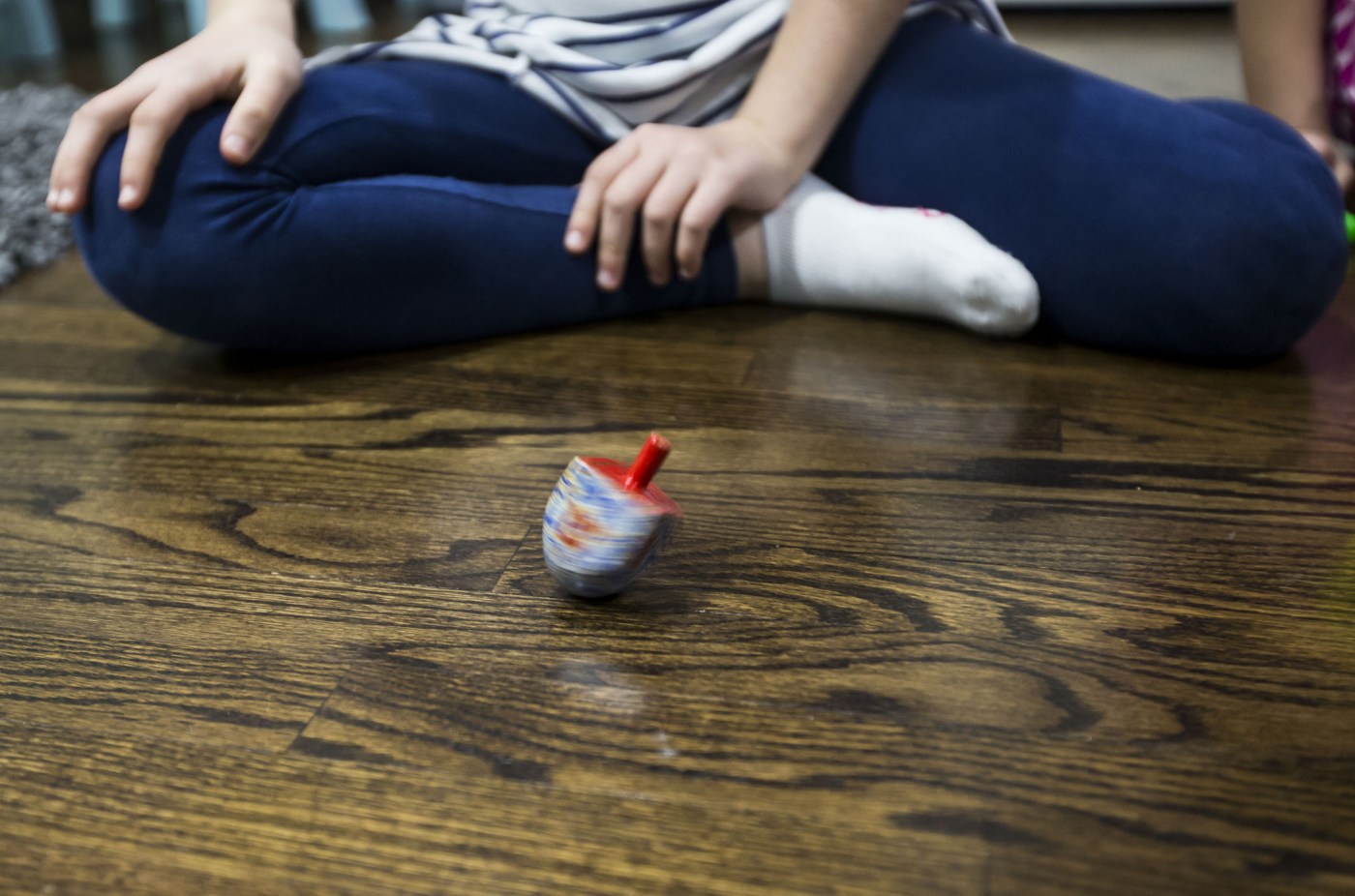
Another popular tradition is playing the dreidel, a four-sided spinning top marked with Hebrew letters. This game serves as a reminder of the miracle of Hanukkah, with players betting with coins or chocolate gelt. The lighting of the menorah is accompanied by blessings and songs, blending traditional and contemporary tunes, such as Peter, Paul and Mary’s “Light One Candle.”
Reflecting on personal memories, Ebstein recalls her father, who passed away just a week before Hanukkah 44 years ago. His concerns about the persistence of antisemitism resonate strongly today, particularly in light of recent statistics.
In 2024, the Anti-Defamation League reported over 9,300 incidents of antisemitism, including assault, harassment, and vandalism. The FBI data indicates that, despite Jews making up only 2% of the population, they accounted for nearly 70% of all religion-based hate crimes.
As antisemitism manifests visibly, many within the Jewish community are taking steps to affirm their identities. This Hanukkah, families are displaying their menorahs prominently in windows, inviting greater visibility and awareness of their heritage.
Ebstein expresses a hope that the coming year will bring progress against antisemitism. She envisions a future where her father’s warnings do not echo as strongly, and she urges the community to actively engage in fortifying their Jewish identity and purpose.
As the festival unfolds, the call to recognize and address the challenges of antisemitism becomes increasingly important. This year, as families gather to light their menorahs and share traditions, they carry with them the enduring spirit of resilience and the desire for peace.
In the spirit of the Maccabees, may this Hanukkah inspire action and a collective stand against hate. Let this be a time for community, reflection, and the celebration of light in the face of darkness.