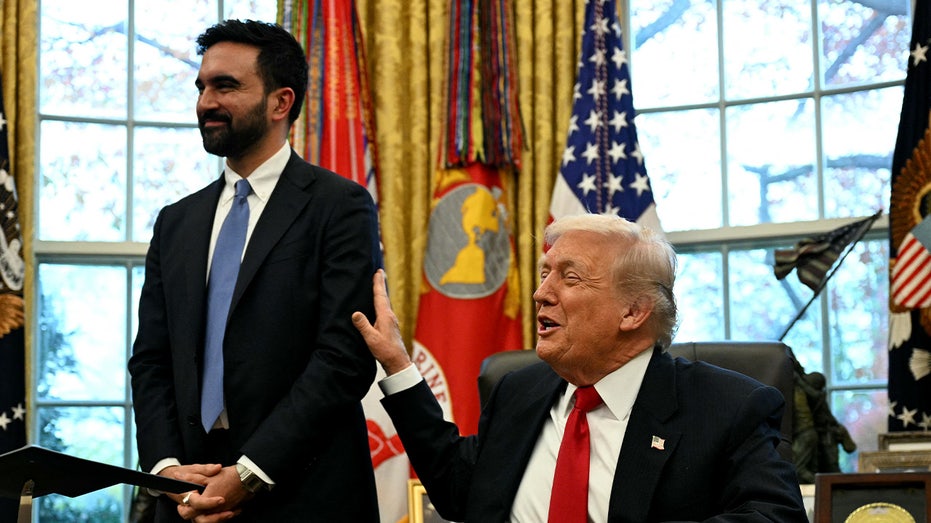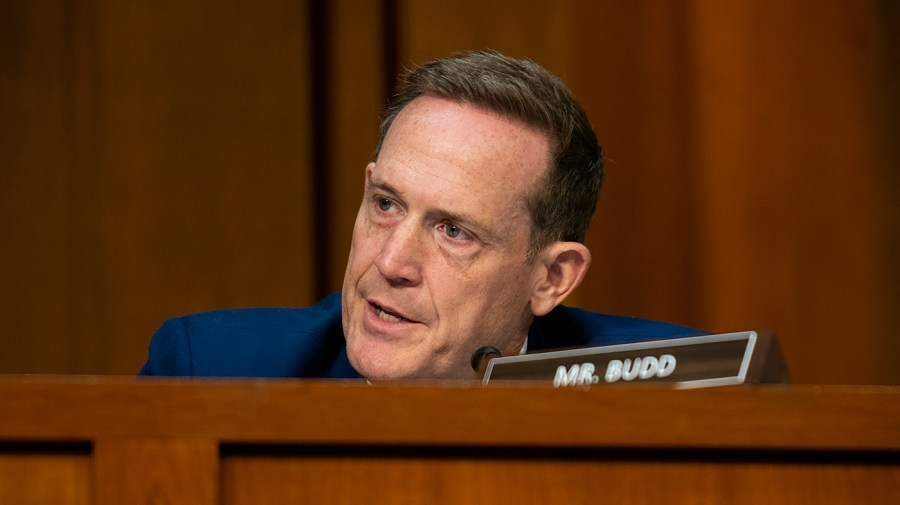
Nearly half of the Senate Republican conference has expressed strong opposition to President Donald Trump’s recent executive order aimed at reclassifying marijuana from a Schedule I to a Schedule III substance. This change, signed on April 4, 2024, has prompted concerns regarding potential health and economic ramifications.
The executive order seeks to align marijuana’s classification with that of drugs such as ketamine, which are considered to have accepted medical uses but also pose risks of abuse. In a letter addressed to the President, 24 Republican senators warned that this reclassification could lead to increased substance abuse and a deterioration of public health. They emphasized that relaxing regulations on cannabis could undermine efforts to combat addiction and protect communities.
In the letter, the senators highlighted the potential impact on the economy, pointing out that a surge in cannabis-related businesses could strain local law enforcement resources and public health systems. They argued that the financial returns from marijuana taxation do not outweigh the risks that a more lenient approach could impose on society.
Moreover, the senators referenced findings from the U.S. Department of Health and Human Services, which detailed the links between increased marijuana availability and growing rates of substance abuse among youth. They stressed the need for a cautious approach to drug policy, advocating for continued classification as a Schedule I substance until further research can adequately address the health implications.
The letter reflects a significant divide within the Republican Party regarding drug policy. While some lawmakers support a more lenient stance on marijuana, a considerable faction remains committed to maintaining strict regulations, citing public health and safety as paramount concerns.
As the debate unfolds, the administration faces pressure from both sides. Advocates for marijuana reform argue that reclassification could facilitate research into its medical benefits, potentially leading to new treatments for various conditions. Conversely, opponents warn that easing restrictions might lead to negative societal consequences, including increased addiction rates and economic burdens on healthcare systems.
The conversation surrounding marijuana policy will likely continue to evolve as both political factions present their cases. With growing public interest in cannabis reform, the implications of Trump’s executive order could reverberate throughout the nation, influencing future legislation and public attitudes toward marijuana use.