A woman living next door has raised questions about friendship and communication after a series of interactions with her neighbor. Despite efforts to cultivate a relationship, the balance of contact has left one party feeling undervalued and confused.
Several years ago, a divorced woman moved in next door. The resident, drawn to her new neighbor, attempted to establish a friendship. Although the neighbor was sociable during brief encounters outside, she never reciprocated invitations to visit inside her home. Over time, the resident resigned herself to occasional conversations in the yard.
Last year, the dynamic shifted when the neighbor fell seriously ill and became housebound. The resident began visiting regularly, which delighted the neighbor and encouraged further visits. As the neighbor’s health improved and she resumed her regular activities, the resident found her attempts to maintain contact increasingly challenging.
Communication Breakdown
Despite expressing enjoyment at their interactions, the neighbor never initiated contact. This lack of communication became particularly disheartening for the resident, especially after she reached out during Thanksgiving and received an enthusiastic response. However, when Christmas approached, the resident noticed her neighbor’s absence, realizing she had traveled hundreds of miles to visit her daughter without informing her.
Feeling slighted by the lack of communication, the resident questioned the nature of their friendship. Shouldn’t a friendship involve mutual effort? After previously bonding during the neighbor’s illness, she anticipated a more established connection, only to find herself disappointed.
In response, Miss Manners offered her perspective on the situation, advising the resident to avoid monitoring her neighbor’s car and to refrain from expecting prior notice of her travels. She suggested that if the resident desired more communication, she should express her willingness to help by offering to collect her neighbor’s mail during absences.
Memorial Table Debate at High School Reunion
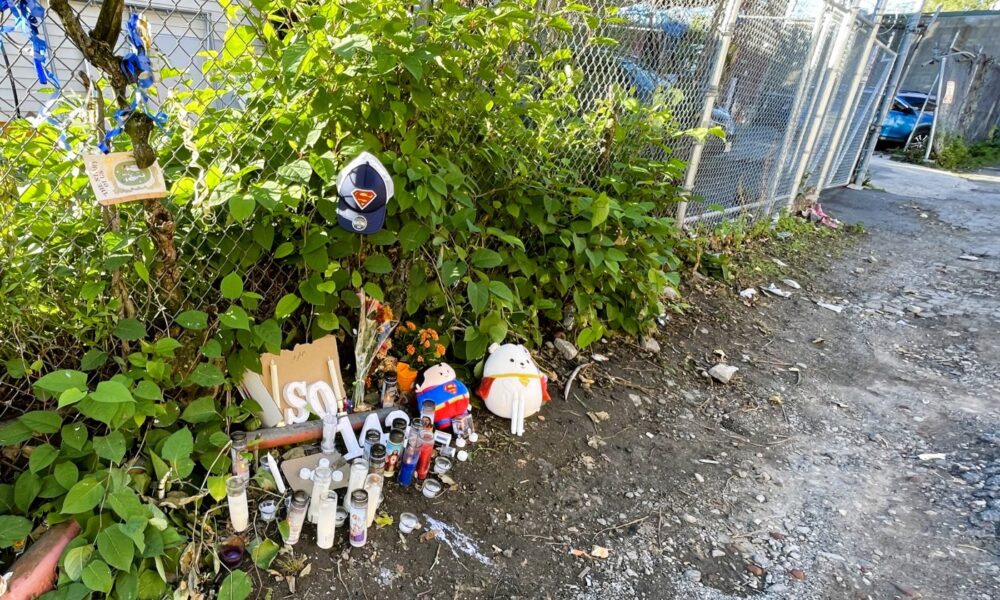
In a separate matter related to social etiquette, a high school reunion committee is planning a 50-year reunion for their class. They propose a memorial table for deceased classmates, with discussions on whether to include the cause of death alongside their names. Opinions vary within the committee, with some believing that listing causes of death would be inappropriate and detract from the celebratory nature of the event.
Miss Manners commented on the suggestion, questioning whether detailing the circumstances of classmates’ deaths can truly honor their lives. She expressed concern about the educational background of the graduates, implying that a thoughtful reflection on the lives lost would be more meaningful than simply noting how they passed.
As these two situations illustrate, the complexities of human relationships often involve nuanced communication and differing perspectives on how to commemorate and connect with others. Navigating these challenges requires sensitivity and understanding, especially in contexts where personal connections and memories are involved.
Ultimately, both scenarios highlight the importance of proactive communication in friendships and the need for thoughtful consideration when honoring those who have passed. As individuals reflect on their social interactions, they may find that open dialogues can lead to stronger, more fulfilling relationships.