Former cast members of Saturday Night Live (SNL) have come forward to share troubling experiences regarding workplace culture, allegations of abuse, and feelings of discrimination during their time on the iconic sketch show. These revelations highlight the pressures faced by performers in an environment often perceived as a dream job.
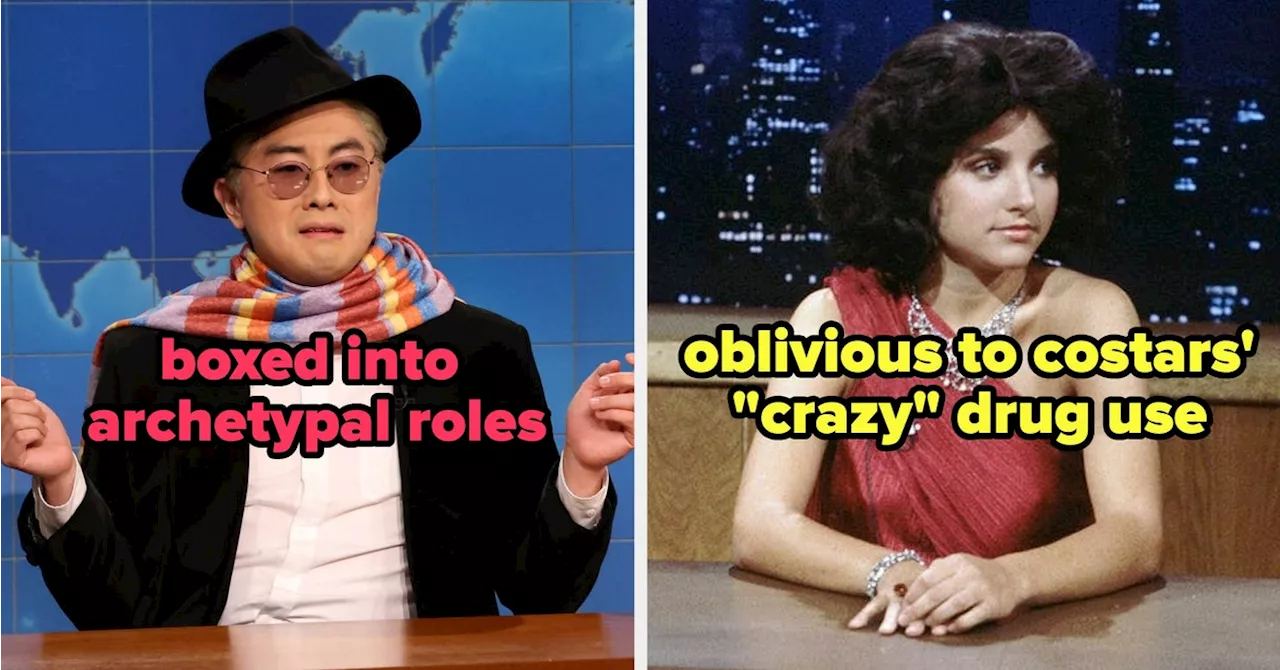
In a recent interview, Chris Redd, who was a cast member from 2017 to 2022, discussed the intense typecasting he experienced. He described feeling constrained by the roles offered to him, which he felt often reduced him to stereotypes. Redd stated, “I feel like I was really bogged down the entire time I was there about the idea that there was no range in anything I did.” He expressed frustration about being labeled as “the gay Asian guy,” which limited his creative opportunities.
Redd also alleged that he faced backlash for speaking out about the lack of representation for Black women in the cast, claiming producers considered removing him from the show after he voiced his concerns in September 2013. He reflected on the show’s evolving culture, noting, “This shit is getting hip, this shit is getting Blacker… But back then it was… When I got hired, I was the first Black guy in, like, eight years.”
The experiences of others who have worked on SNL echo Redd’s sentiments. Abby Elliott, who was part of the cast from 2008 to 2012, described the anxiety that came with the pressure to perform. “Every week was a new week, and your happiness would depend on whether you got something on air or not,” she said. The constant fear of job insecurity led to a toxic atmosphere, with many cast members feeling they needed to compete against one another for airtime.
Former cast member Jan Hooks also shared her struggles with anxiety, particularly when faced with crisis situations like fake bomb threats targeted at the studio. Her experience reflects the broader challenges of working in a high-pressure environment. Hooks articulated the toll that this kind of stress could take, stating that it felt almost like hazing.
In addressing the issue of substance abuse, Redd mentioned his own struggles during his tenure at SNL, saying, “I had some pill issues… I would have panic attacks, they wouldn’t be concerned about me.” He emphasized the need for support among cast members, particularly in times of personal crisis.
The show’s creator, Lorne Michaels, has been noted for his influence over the show’s direction and its performers. While many cast members have praised his vision, others have criticized the culture that has developed under his leadership. Bill Hader, who was part of the cast from 2005 to 2013, recounted how the demanding schedule impacted his personal life. “It was hard to do when you’re single and living alone… but then you bring kids into it, and it was like, ‘Oh, man, this is getting really hard,'” he explained.
The competitive nature of SNL has often led to a sense of insecurity among cast members, creating an environment where mental health struggles can be exacerbated. Sasheer Zamata, a cast member from 2013 to 2017, spoke candidly about the reality of working on the show, stating, “It was not what I thought it was going to be… Do I want to just accept it as is or do I want to try something else that makes me feel really good?”
Norm Macdonald, who was famously fired over his controversial jokes about O.J. Simpson, also highlighted the difficulties in navigating the show’s political landscape. He expressed respect for the executive who fired him, acknowledging the complexity of loyalty and humor within the entertainment industry.
These accounts reveal a darker side to the high-profile world of SNL, challenging the perception of the show as merely a platform for comedy. The stories shared by these former cast members reflect a need for ongoing dialogue about workplace culture in the entertainment industry, particularly regarding issues of representation, mental health, and the treatment of performers.
As the industry continues to evolve, these revelations serve as a reminder of the importance of creating supportive environments where all voices can be heard and valued.