A significant issue of federal fraud, estimated at around $600 billion annually, is igniting a national debate over the management of taxpayer funds. The situation has escalated following extensive fraud cases in Minnesota, which have highlighted systemic issues in welfare programs across the United States. As public outrage grows, state governors are facing increasing pressure to address the misuse of taxpayer money.
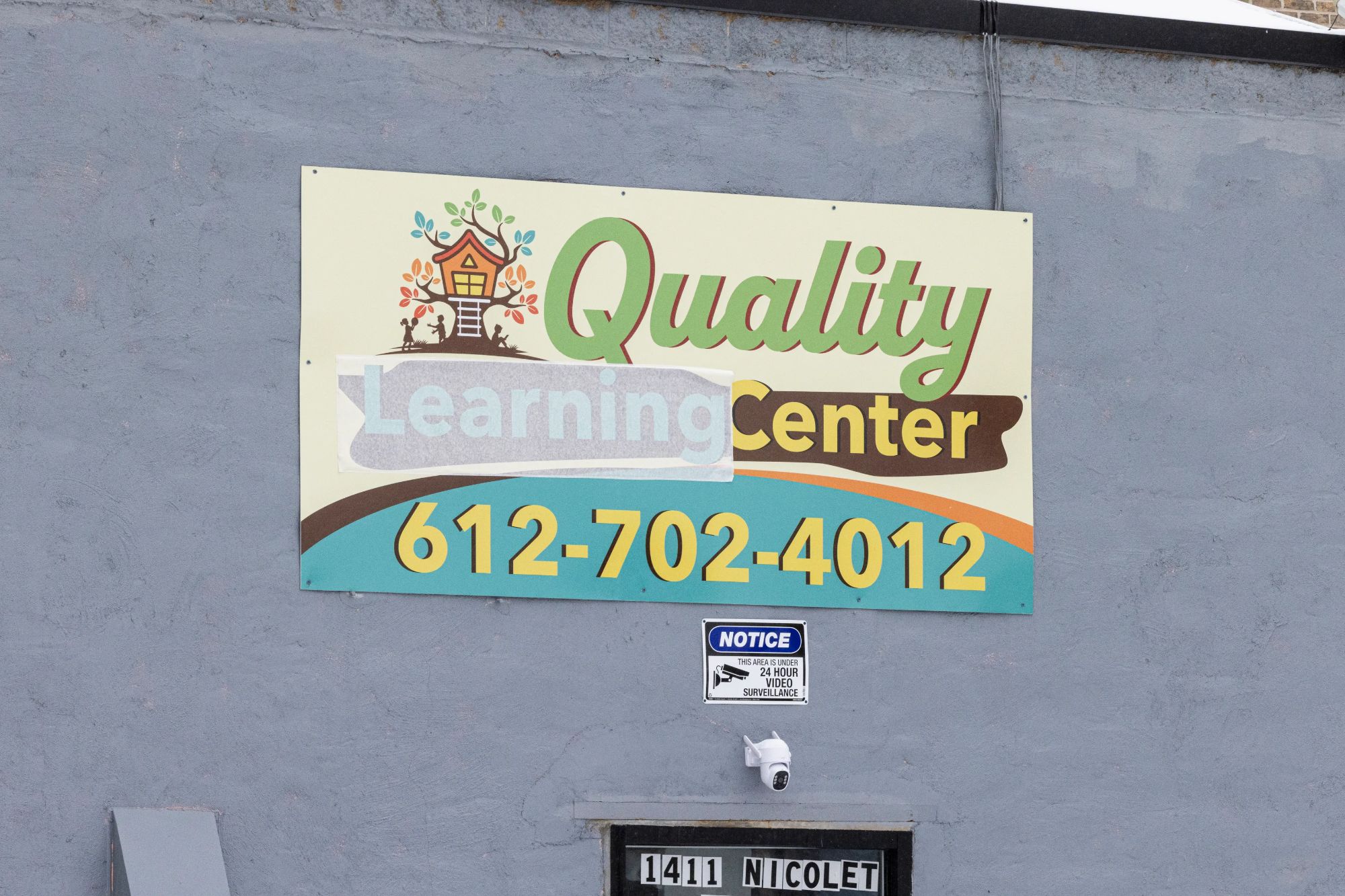
The Minnesota fraud crisis has reportedly cost taxpayers hundreds of millions, potentially reaching billions of dollars since it began in 2014. Funds intended for essential services, such as subsidized day care, autism support, and “Feeding Our Future” programs, have been misappropriated. The crisis has led to political fallout, with Minnesota Governor Tim Walz abandoning his re-election campaign amid scrutiny over his administration’s handling of the issue.
Governors from other states, particularly Gavin Newsom of California and Kathy Hochul of New York, are now under pressure to explain similar allegations of fraud in their welfare systems. Scott Bessent, the United States Treasury Secretary, revealed that an alarming 10% of the federal budget is believed to be lost to fraudulent activities. This statistic has prompted calls for greater accountability among state officials.
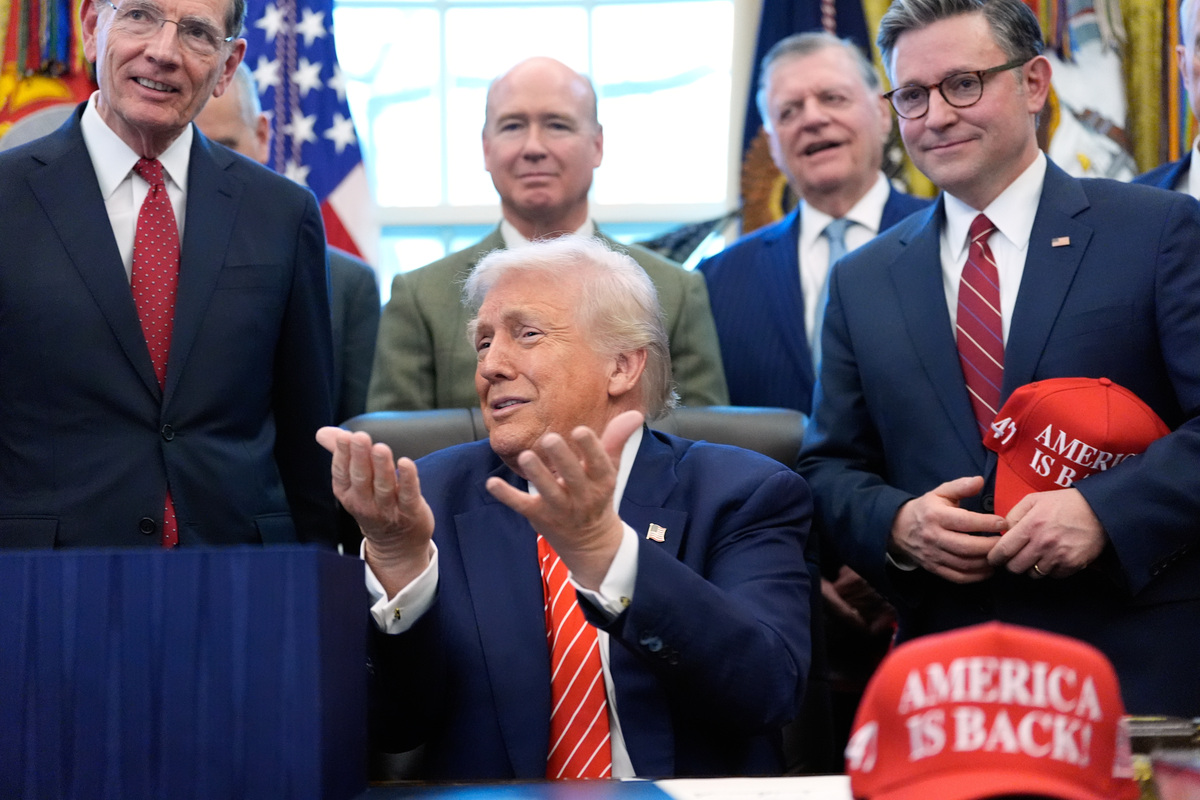
Politicians are navigating a complex landscape as they respond to accusations of fraud. Some may have indirect ties to the scams through campaign donations, while others hesitate to confront the issue for fear of backlash. This reluctance has been criticized by various stakeholders, including former President Donald Trump, who advocates for stricter measures to eliminate fraud. In response to the Minnesota scandal, Trump’s administration introduced the “Defend the Spend” initiative, requiring states to provide solid evidence of how federal funds are used before receiving further payments for child-care programs.
While some states have complied, others—particularly those governed by Democrats—have resisted, leading to federal action. Recently, Trump suspended child-care and family assistance funding to five states, including New York and California, due to allegations of improper financial practices. Governor Hochul responded by asserting that there is no evidence of fraud in New York and has joined other affected states in a lawsuit against the federal government.
The situation is particularly troubling in New York, where the Consumer Directed Personal Assistance Program (CDPAP) has been criticized for severe mismanagement. This program, designed to allow family and friends to receive compensation for caring for sick and elderly individuals, has been exploited. Reports indicate that scammers have fraudulently billed the state for care provided to deceased individuals or for multiple clients simultaneously, with some individuals profiting as much as $200,000 annually.
In 2025, over 623,000 individuals claimed to be home health and personal assistants under this program, making it one of the state’s largest occupations. This rampant fraud has implications for taxpayers nationwide, as CDPAP is funded by Medicaid.
A federal judge recently placed a temporary hold on Trump’s funding freeze, yet the broader implications of these fraud cases continue to resonate. The federal government has a responsibility to ensure that funds are used appropriately, and Republicans in the Senate are urged to maintain their stance against extending provisions that could perpetuate fraud.
As discussions surrounding the enhancement of subsidies for the Affordable Care Act (ACA) unfold, there is a call for rigorous fraud protection measures in any legislative agreement. The Government Accountability Office has highlighted significant vulnerabilities within the ACA system, where individuals have exploited stolen identities to obtain subsidized health insurance, often without facing repercussions.
The current political climate raises questions about the accountability of elected officials. As the Senate prepares for a crucial vote, the actions taken will reveal whether the Democratic Party aligns itself with taxpayers or continues to tolerate fraudulent practices that drain public resources. The upcoming decisions could shape the future of welfare programs and the integrity of federal funding mechanisms in the United States.