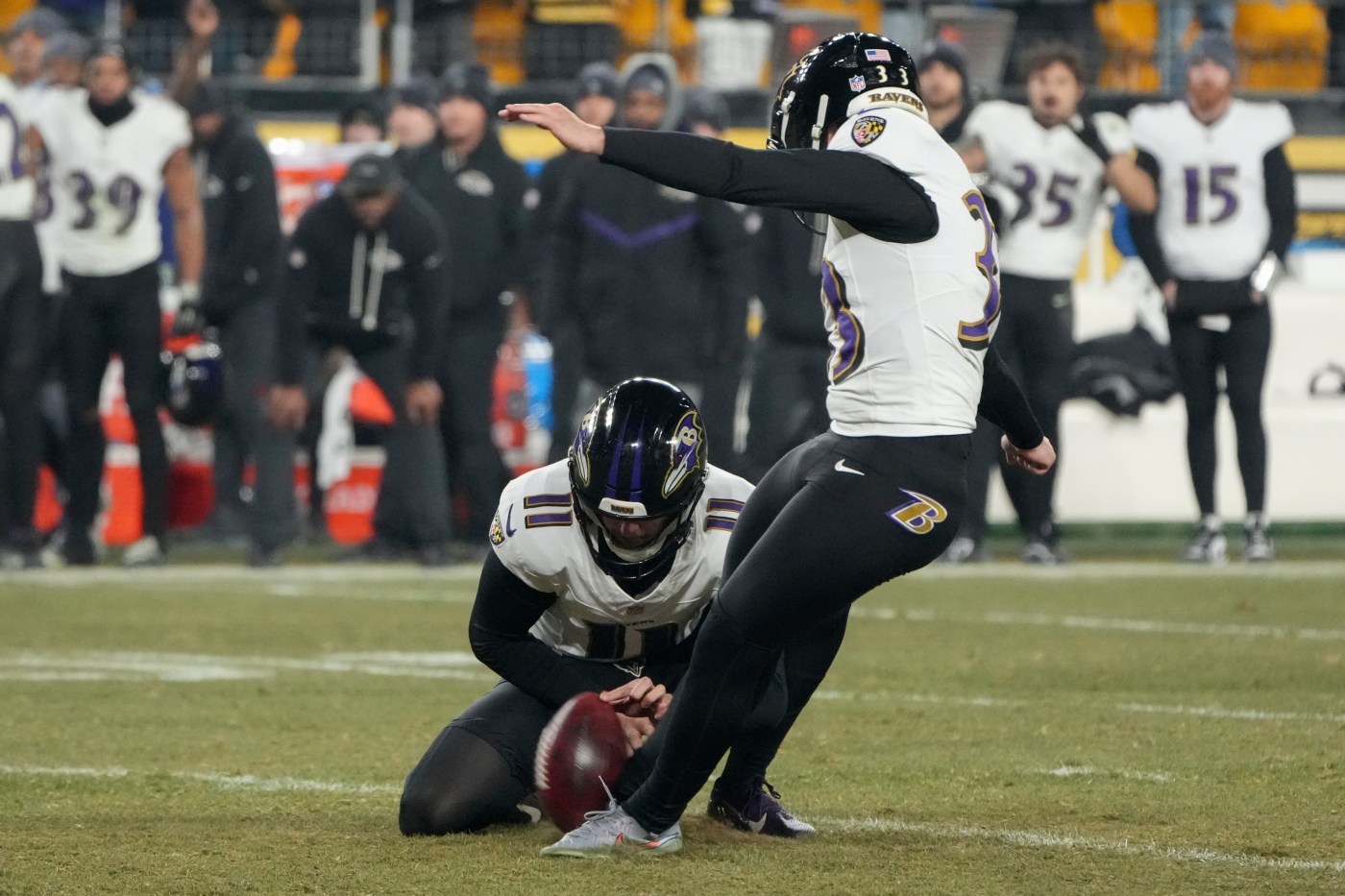
The Baltimore Ravens faced a disappointing defeat against the Pittsburgh Steelers on January 7, 2024. While the outcome of the game left fans disheartened, a more troubling issue emerged in the aftermath: a wave of hostile social media comments directed at Ravens kicker, Tyler Loop.
Following Loop’s missed kick, which played a role in the Ravens’ loss, some fans took to social media with harsh criticism. This behavior has drawn condemnation from various quarters, particularly for its negative impact on a young athlete’s mental health. Jon Jacobson, a resident of Lutherville, expressed his concerns in a recent commentary, emphasizing that such vitriol says more about the critics than about Loop himself.
Loop, who is on a promising trajectory in his career, has shown potential to become one of the top kickers in the league. Jacobson urged fans to show understanding and support rather than resorting to derogatory comments. He stated, “Loop is on a path to be one of the best kickers in the league, and I hope he doesn’t let this one miss define him.”
The culture of online harassment can have lasting effects on athletes, particularly those in high-pressure roles like kickers, who often face intense scrutiny. The Ravens organization has yet to issue a public response to the incidents surrounding Loop, but the need for kindness and sportsmanship cannot be overstated.
In professional sports, mistakes are inevitable, and athletes should have the space to learn from them without facing personal attacks. The support from fans can play a crucial role in an athlete’s development, and it is vital for the sports community to foster a more positive and encouraging environment.
As the Ravens prepare for their next game, the focus should shift from criticism to support. Loop’s resilience and talent remain paramount, and the hope is that he will continue to grow despite the challenges posed by negative commentary. The message is clear: athletes deserve respect and understanding, particularly in the face of adversity.