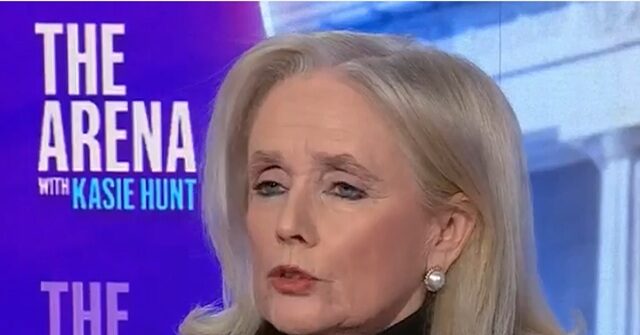
On Thursday, Rep. Debbie Dingell (D-MI) emphasized the necessity for the Democratic Party to present a compelling agenda, rather than solely opposing President Donald Trump, as the midterm elections approach. Speaking on CNN’s “The Arena,” Dingell expressed that voters will demand a clearer vision from Democrats for the upcoming electoral cycles in 2026 and 2028.
During her interview with host Jim Sciutto, Dingell responded to a question about the need for a strategic framework for the future, often referred to as “Project 2028.” She noted the importance of defining what the party stands for, stating, “It’s not enough for us to be anti-President Trump. People want to know what we’re for and how we’re going to deliver.”
As the political landscape evolves, Dingell’s remarks highlight a growing sentiment among party leaders that a mere opposition to Trump will not suffice. She indicated that voters are increasingly looking for substantive policies and clear commitments from candidates. This shift suggests that Democrats must articulate their goals and strategies to resonate with the electorate, particularly in light of the contentious political environment.
Dingell’s comments come as the Democratic Party prepares for pivotal elections that could shape the future of U.S. politics. With midterm elections scheduled for November 2026, she stressed the urgency for candidates to communicate their platforms effectively. “We’ve got to start articulating what we’re for,” Dingell said, underscoring the importance of proactive messaging in upcoming campaigns.
The conversation reflects broader concerns within the Democratic Party about its direction and appeal to voters. As the party navigates the complexities of political opposition and internal challenges, leaders like Dingell are advocating for a more focused approach that prioritizes policy over mere opposition.
As the 2026 elections draw closer, the emphasis will likely shift towards developing comprehensive plans that address pressing issues such as healthcare, climate change, and economic inequality. The party’s ability to present a united front with a clear agenda may be crucial in determining its success in the upcoming electoral cycles.