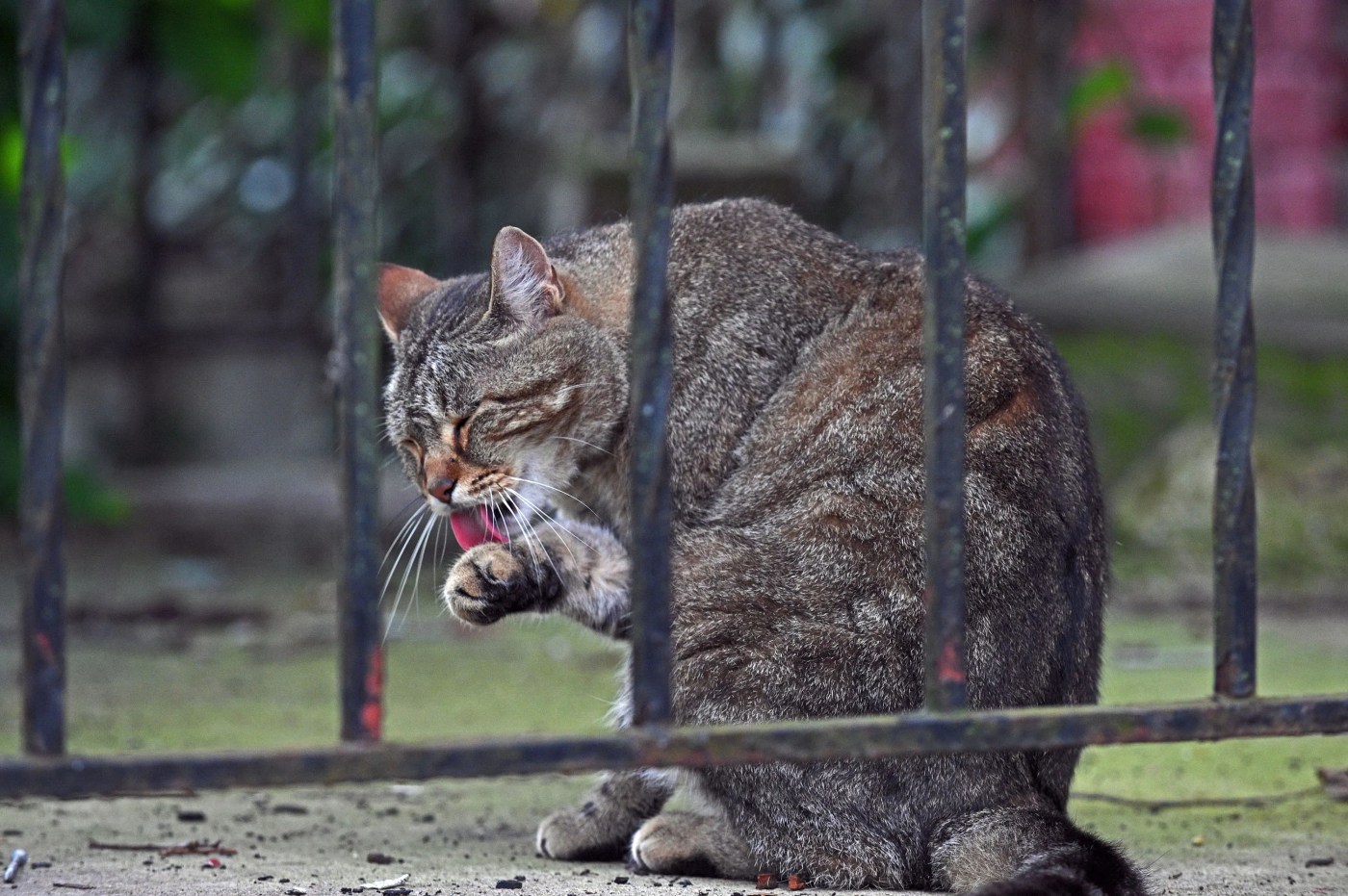
A recent article in the *Baltimore Sun* highlighted a shift in Baltimore City’s approach to stray animals, emphasizing a reduction in the euthanization of cats and dogs. Critics, however, argue that this policy, particularly the promotion of no-kill shelters, could lead to increased suffering for these animals and detrimental effects on local wildlife.
One of the key strategies mentioned is Trap-Neuter-Return (TNR), which involves capturing, neutering, and then returning cats to their original environments. While proponents laud TNR as a humane solution to manage the stray cat population, critics like Gerald Winegrad contend that it exacerbates the problem. He argues that TNR requires significant investment—both in terms of financial resources and time—yet fails to solve the issues at hand. According to PETA, the practice results in a cycle where cats are returned to the streets, contributing to an ongoing threat to local wildlife and public health.
The statistics surrounding free-roaming cats are startling. An estimated 80 million domestic cats roam the lower 48 states, killing between 1.4 billion and 3.7 billion birds each year, along with billions of small mammals and reptiles. Research conducted by scientists from the Smithsonian and the U.S. Fish and Wildlife Service has identified cats as a leading cause of wildlife mortality in the United States, surpassing other threats such as pesticides and wind turbines.
Since Baltimore implemented its TNR ordinance in 2007, the city has seen no significant decline in the stray cat population. Instead, reports indicate that more than 1,100 outdoor cat colonies exist, which attract additional cats and contribute to higher predation rates on local animals. The notion that well-fed cats pose little threat to wildlife has also been challenged by studies showing that well-fed cats tend to hunt more effectively.
Public health is another critical concern associated with free-roaming cats. The Maryland Department of Health has classified cats as the most frequently identified rabid domestic animal, raising alarms about the potential for rabies transmission among humans and pets. PETA warns that TNR programs do not adequately manage public health risks or address the implications for local wildlife.
Some cities, like Phoenix in Arizona and Parry Sound in Ontario, have chosen to terminate their TNR initiatives after observing that these programs did not stabilize cat populations, but rather contributed to their increase. Research from the Johns Hopkins School of Public Health has also cast doubt on the effectiveness of cats as rat control agents, revealing that their predation on rats is sporadic and largely ineffective.
Winegrad emphasizes that the consequences of allowing cats to roam freely extend beyond animal welfare. He asserts that these policies jeopardize local biodiversity and the health of urban ecosystems. The alarming toll on wildlife, combined with the risks posed to public health, prompts a call for a reevaluation of current approaches to managing stray animals.
As cities grapple with the complexities of animal welfare, the discussion surrounding TNR and no-kill policies is far from over. Advocates from various perspectives continue to debate the best methods for ensuring humane treatment of animals while protecting local ecosystems.
In conclusion, Winegrad advocates for a more responsible approach to pet ownership, insisting that all cats should remain indoors. The intersection of animal welfare and environmental conservation presents a challenging dilemma that requires careful consideration and action from policymakers and citizens alike.