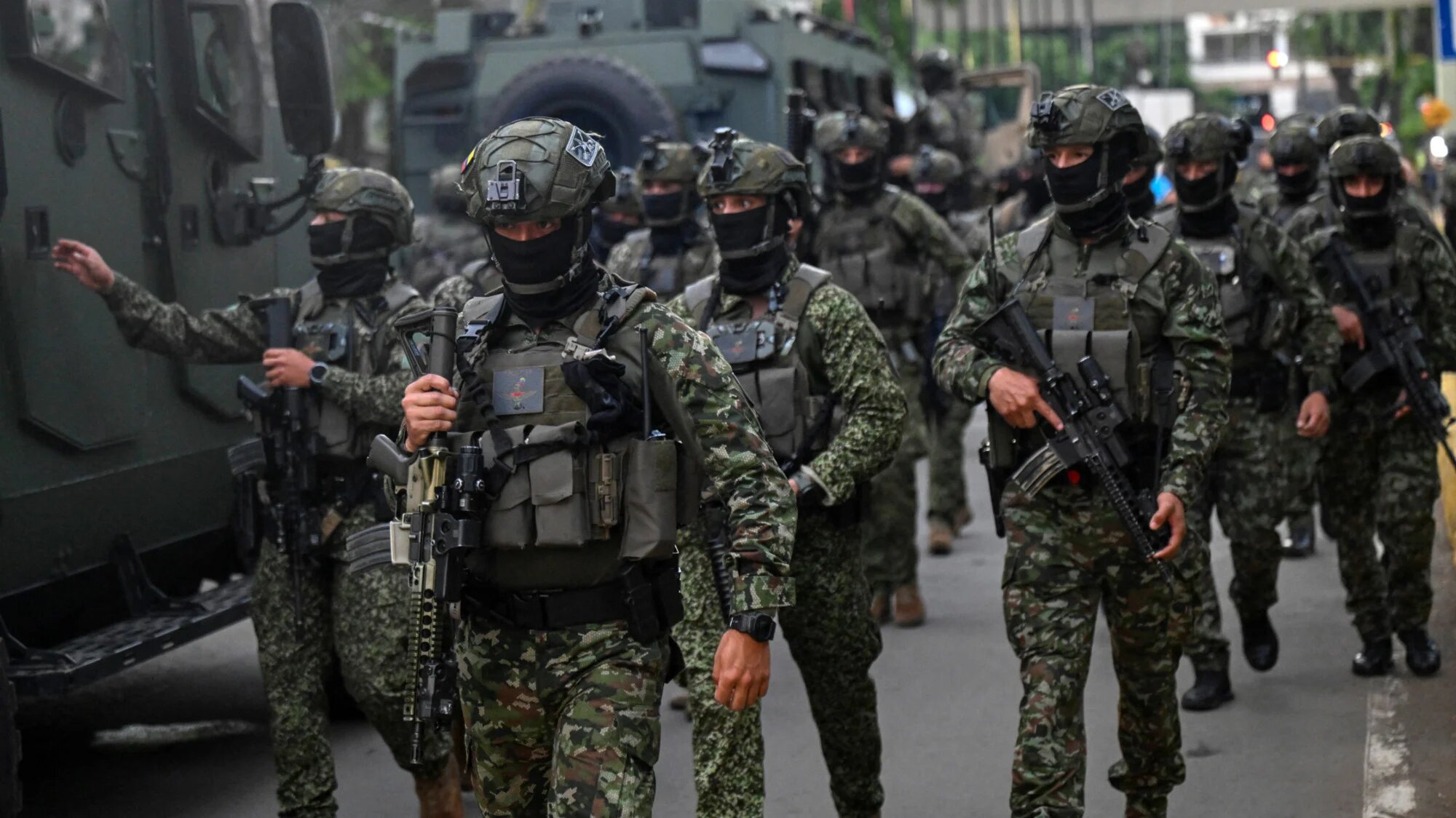
The phenomenon of Colombian mercenaries operating in various global conflict zones has gained significant attention, as highlighted in an article by Henry Suckow Ziemer for the World of Crime Newsletter. Former Colombian soldiers are now engaging in military operations across regions such as Ukraine, North Africa, and Mexico, working with both state militaries and private security firms. A smaller faction has reportedly aligned with criminal organizations, including the Jalisco New Generation Cartel. This trend reflects a broader pattern of military labor exportation that has developed over decades.
Understanding the Mercenary Pipeline
The roots of this trend can be traced to a structural supply and demand dynamic within Colombia. Each year, the country discharges approximately 10,000 military personnel, many of whom are in their early forties and face limited pension benefits and civilian job opportunities. The historical context, including initiatives like Plan Colombia and recruitment efforts by private firms such as Blackwater, has established a pathway for overseas contracting. More recent partnerships with countries like the United Arab Emirates have further embedded Colombian operatives in foreign military campaigns, notably in Yemen and Sudan. This development has led to a robust recruitment ecosystem that thrives on personal networks and word-of-mouth referrals.
The skills acquired by these veterans, particularly in high-intensity combat and advanced military tactics, have found applications beyond Colombian borders. The ongoing conflict in Ukraine has provided these individuals with experience in conventional warfare, including drone operations and trench combat. As a result, some Mexican cartels have begun to recruit veterans from Ukraine, leading to the rapid dissemination of sophisticated armed drone tactics throughout the Western Hemisphere. This exchange of military expertise poses a significant risk of these techniques returning to Colombia, where they may be adopted by groups such as the National Liberation Army and FARC dissidents.
The Emerging Landscape of Security and Violence
The implications of this trend suggest that the Americas may be entering an era characterized by a reliance on contractors for security. Both governments and corporations are increasingly turning to private military forces to mitigate risk. Similarly, criminal organizations are leveraging these resources, creating a more fluid and less regulated marketplace for violence. Colombian veterans are at the forefront of this evolving landscape, providing a unique blend of military experience and adaptability.
As the situation continues to develop, the international community must consider the broader ramifications of this mercenary phenomenon. The export of military labor from Colombia not only impacts conflict zones but also raises questions about the future of security and regulation in the realm of private military contracting. The global implications of this trend are yet to be fully understood, but it is clear that Colombian mercenaries are reshaping the dynamics of conflict and security in various regions around the world.