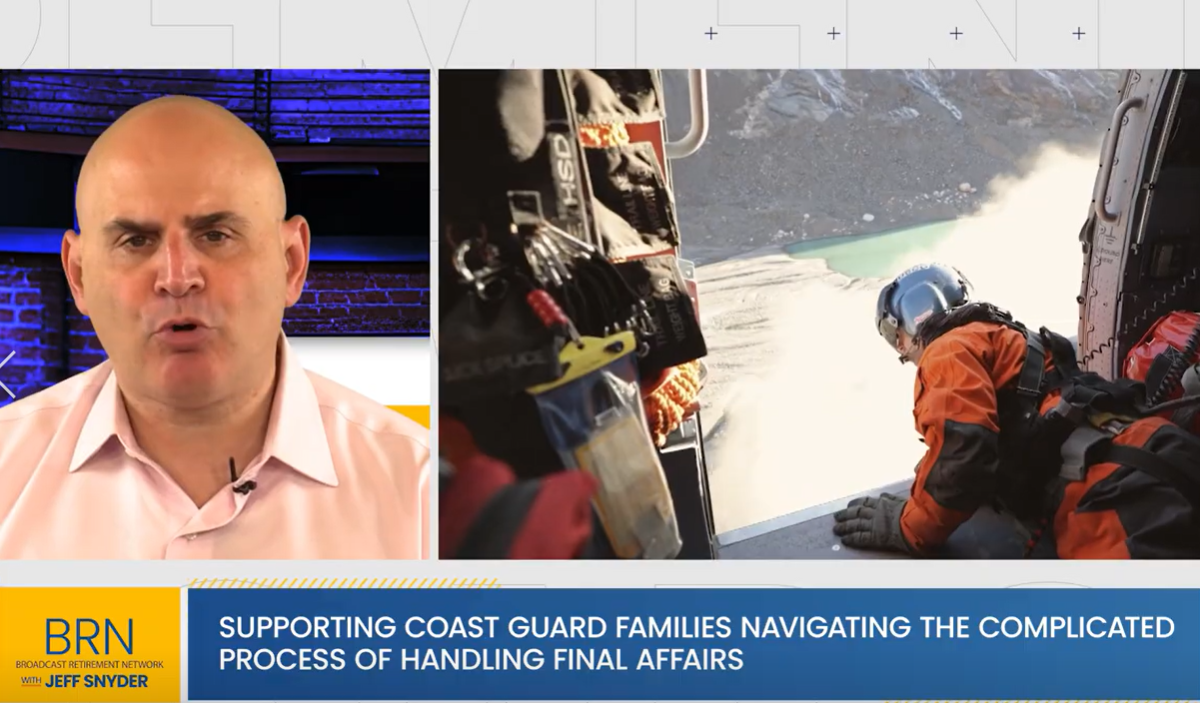
The U.S. Coast Guard has introduced a comprehensive handbook aimed at assisting families in managing final affairs following the loss of a loved one. This initiative addresses the unique challenges faced by survivors, who often find themselves overwhelmed and uncertain about the legal and financial processes involved after the death of a service member.
Understanding the Need for Support
According to Robert C. Hinds, U.S. Coast Guard Retiree Services Program Manager, the importance of estate planning is particularly pronounced for military personnel. Hinds emphasized that financial readiness is crucial for maintaining operational effectiveness within the Coast Guard. Studies show a direct correlation between a service member’s financial preparedness and their ability to perform their duties, which includes maintaining necessary security clearances.
The handbook aims to cultivate a culture of financial and estate planning among Coast Guard members, starting from their early years of service. By initiating these discussions at recruitment and training stages, the Coast Guard hopes to instill an understanding of the importance of planning for final affairs.
Creating the Handbook
The development of this handbook involved extensive feedback from the retiree community, which numbers approximately 65,000 individuals, including retirees, annuitants, and survivors. Hinds noted that many survivors experience panic and confusion upon the passing of their spouse, often stating, “I have no idea what to do.” This prompted the Coast Guard National Retiree Council to prioritize the creation of a resource that would offer guidance and support.
The handbook is not an official legal guide but serves as a connection point to various resources and subject matter experts. Its spirit reflects the Coast Guard’s commitment to caring for its members and their families, ensuring they have access to necessary information and assistance during difficult times.
Hinds explained that the Coast Guard’s legal officers are available to assist with estate planning, including the creation of wills and advanced medical directives. He shared his own experience of utilizing these resources, which he found invaluable, particularly after years of delaying his own estate planning.
Focus on Lifelong Planning
New recruits, often aged between 18 and 22, are encouraged to start thinking about their estate plans early in their careers. As members progress through their service, significant life changes such as marriage and parenthood necessitate regular updates to their financial and estate plans. Hinds noted that establishing a culture of planning from the beginning of service helps ensure that Coast Guard members remain focused on their missions without added stress about their personal affairs.
The Coast Guard’s emphasis on financial readiness is part of a broader initiative across the military to support service members and their families in managing their financial lives effectively. Hinds highlighted that in his previous role managing enlisted assignments, he rarely encountered cases where a service member was unprepared financially for deployment, indicating a general trend of proactive financial planning.
Overall, the creation of this handbook represents a significant step forward in supporting Coast Guard families, making essential information accessible and fostering a supportive community for those navigating the complexities of final affairs.