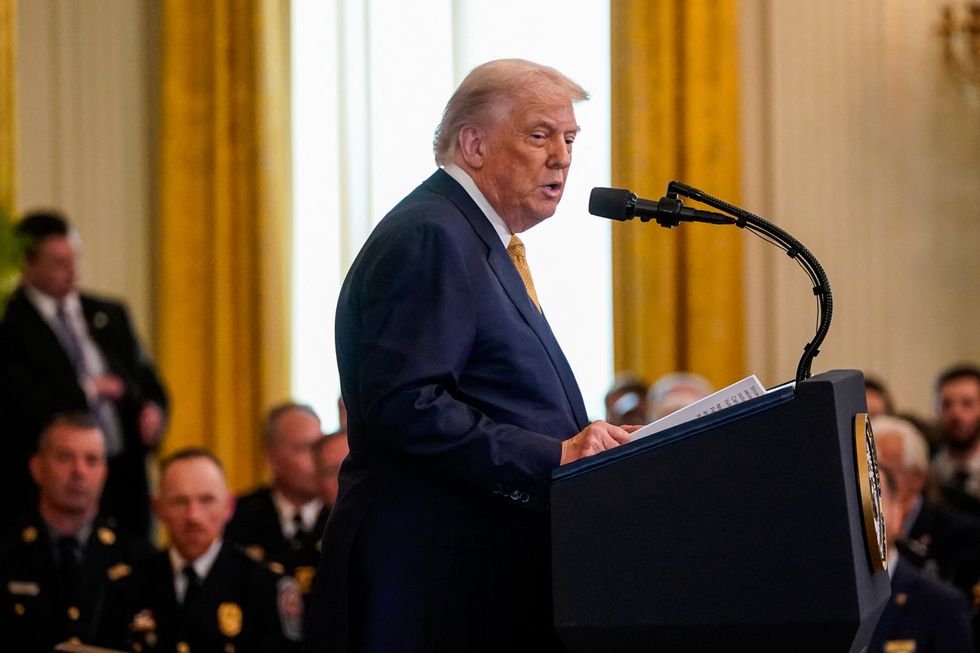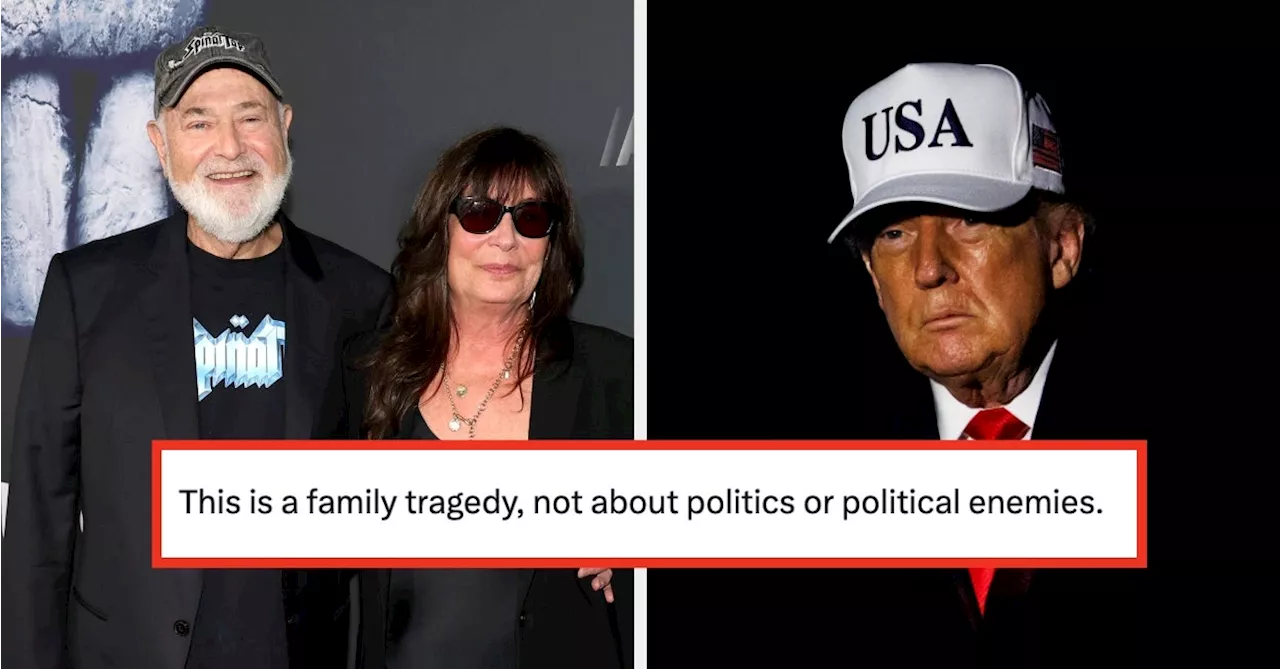
Former President Donald Trump has faced intense bipartisan criticism following his comments about the death of actor-director Rob Reiner, a vocal critic of his presidency. Reiner, known for his significant contributions to film and television, passed away in Los Angeles in early October 2023, prompting an outpouring of condolences. Trump’s remarks, however, quickly shifted the focus from mourning to political discourse, leading many Republican and Democratic figures to denounce his insensitivity.
Reiner, who was celebrated for directing acclaimed films such as “The Princess Bride” and “Stand by Me,” was also a prominent political activist. His outspoken criticism of Trump was well-known, which led to Trump’s controversial statement on social media. In his post, Trump referenced the term “Trump Derangement Syndrome,” suggesting that Reiner’s political views contributed to his demise. This characterization has drawn widespread ire for appearing to exploit a personal tragedy for political purposes.
Political Figures Respond to Trump’s Remarks
The backlash to Trump’s comments was swift and widespread. Representative Thomas Massie from Kentucky publicly labeled the remarks as “inappropriate and disrespectful,” emphasizing the need for compassion over political maneuvering in such a sensitive time. Massie’s sentiments echoed a growing concern among politicians that the focus should remain on supporting Reiner’s family rather than engaging in political discourse.
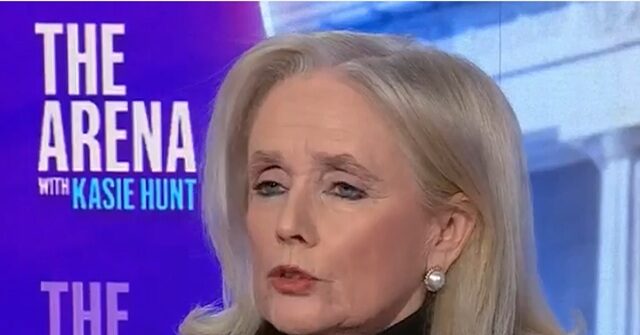
Similarly, Representative Marjorie Taylor Greene of Georgia, who has had her share of disagreements with Trump, underscored the personal nature of the tragedy, stating it was “not about politics or political enemies.” Her remarks highlighted the necessity to separate Reiner’s political affiliations from the circumstances of his death. Representative Mike Lawler from New York supported this perspective, calling for sympathy and compassion, regardless of political divides.
Oklahoma Representative Stephanie Bice added her voice to the chorus of disapproval, urging prayers and support for Reiner’s family rather than allowing the situation to devolve into a political spectacle. These responses from prominent Republicans illustrate a rare moment of unity across party lines, emphasizing the importance of human decency in the face of tragedy.
Media Reactions and Broader Implications
The condemnation of Trump’s statement also reverberated through various media outlets and social media platforms. Commentators highlighted the stark contrast between the gravity of Reiner’s passing and the perceived callousness of Trump’s remarks. This incident has reignited discussions about the role of public figures in times of grief and the ethical responsibilities that come with public commentary.
The event serves as a reminder of the human cost of political rhetoric, particularly during moments of personal suffering. As the political landscape continues to grapple with deep divisions, it becomes increasingly crucial to maintain civility and empathy, especially when discussing sensitive matters.
Reiner’s legacy as an influential figure in both the entertainment industry and political activism remains intact, despite the controversy surrounding his death. His passing has not only left a void in the artistic community but also highlighted the urgent need for respectful discourse in the public arena. The incident invites reflection on how political commentary should be approached, particularly in the wake of personal tragedies.
As discussions unfold, the collective response to Trump’s remarks reinforces the notion that compassion and respect must prevail, even amidst heated political battles.