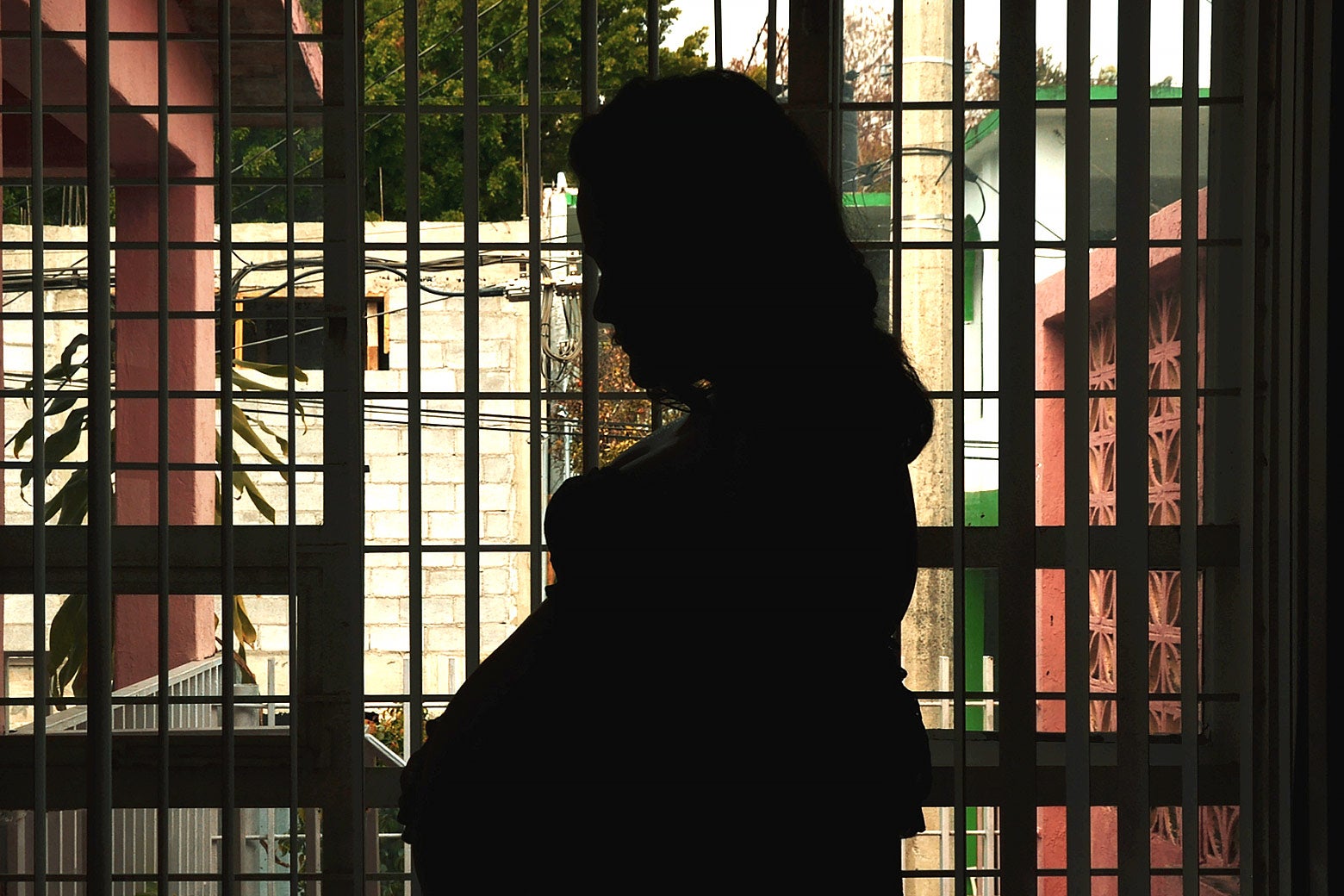
A recent letter from the American Civil Liberties Union (ACLU) highlights troubling accounts of neglect and abuse faced by pregnant and postpartum women in the custody of Immigration and Customs Enforcement (ICE). Collaborating with organizations such as the National Immigration Project and the Robert F. Kennedy Human Rights organization, the ACLU interviewed detained women and presented their findings in October, urging ICE to release all pregnant and postpartum individuals from detention.
In response, a spokesperson for the Department of Homeland Security, Tricia McLaughlin, dismissed the coalition’s findings as based on “anonymous, unsubstantiated and unverifiable claims.” However, the accounts shared in the letter are distressing. Women reported being shackled, placed in solitary confinement, and experiencing significant delays in receiving prenatal care. Basic necessities, such as prenatal vitamins, adequate food, and even clean water, were frequently denied. Most alarmingly, women who were miscarrying reported being ignored by facility staff, leading to serious infections in some cases.
The issues raised are not new. In July, Senator Jon Ossoff released a Senate investigation titled “The Abuse of Pregnant Women & Children in U.S. Immigration Detention,” documenting widespread mistreatment, including physical and sexual abuse, and pervasive medical neglect. The report identified 14 credible cases of abuse involving pregnant women, echoing the ACLU’s findings. One woman described bleeding for days before finally being taken to a hospital, only to be left alone for over 24 hours during her miscarriage.
In response to Ossoff’s investigation, the Department of Homeland Security stated that “pregnant women [in their care] receive regular prenatal visits, mental-health services, nutritional support, and accommodations aligned with community standards of care.” Yet, these denials do not negate the consistent and detailed testimonies from multiple women.
Under ICE Directive 11032.4, pregnant and postpartum individuals are not supposed to be detained unless exceptional circumstances exist. The directive outlines that detention is allowed only in narrow situations, such as when a person poses a national security threat or presents an imminent risk of violence. With these stringent criteria, it raises questions about the treatment of every pregnant woman reporting neglect, being forced to sleep on floors, denied medical care, or left to miscarry without assistance.
Currently, the exact number of pregnant and postpartum individuals in detention remains largely unknown. The Women’s Refugee Commission states that oversight has become increasingly challenging due to restricted access to facilities and the expiration of a congressional mandate that required ICE to report on the number of pregnant detainees regularly.
ICE is obligated to monitor the general health and well-being of pregnant individuals to ensure they receive appropriate medical and mental health care. Therefore, the law does not merely discourage the detention of pregnant individuals but essentially prohibits it without exceptional circumstances. When ICE detains them anyway and fails to provide basic care, it violates not only humanitarian principles but also its own written policies.
Moreover, the treatment of pregnant and postpartum women in ICE custody raises constitutional concerns. The U.S. Constitution protects all individuals within its borders, regardless of immigration status. The Supreme Court has affirmed that undocumented individuals are considered “persons” under the Fifth and Fourteenth Amendments, meaning they are entitled to protections such as due process and equal protection under the law.
The implications are clear: women in DHS and ICE custody have a constitutional right to adequate medical care and humane treatment. When the government detains a pregnant woman, it assumes full responsibility for her safety and well-being. Denying necessary medical care constitutes a violation of these rights.
Concerns for the treatment of women in U.S. custody transcend political divides. The denial of basic medical care—leaving women to miscarry on concrete floors or denying them basic sustenance—does not equate to providing “free health care for immigrants.” It reflects a fundamental failure to uphold the most basic standards of humane treatment mandated by law.
The current situation embodies a pattern of systemic neglect and cruelty that must be addressed immediately. ICE must cease the detention of pregnant and postpartum individuals and adhere to its constitutional and moral responsibilities. The pressing question remains: Are we prepared to safeguard what is left of the American conscience, or has it already been eroded in the name of political agendas?