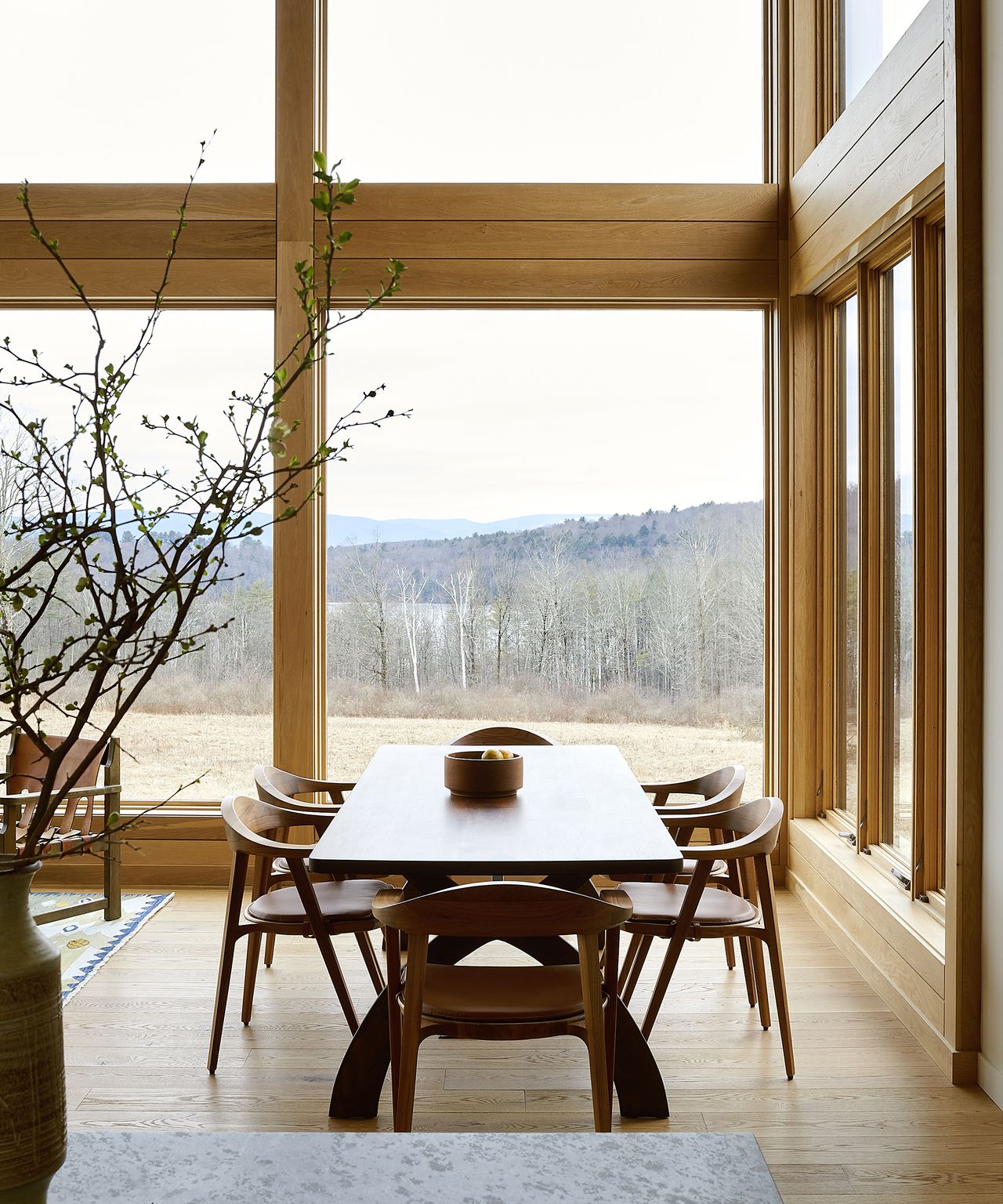
Interior designer Jess Cooney, a new Editor-At-Large for Homes & Gardens, emphasizes the importance of making strategic investments in home renovations. She outlines five critical elements that can transform a house into a home that feels effortless, beautiful, and exceptional. Cooney aims to guide homeowners through the often overwhelming process of bridging the gap between their current space and their dream home.
A renovation typically begins with an emotional vision. Homeowners often have specific ideas about how they want their home to feel, yet the existing space may not align with those aspirations. This disconnect raises essential questions: Which elements should be prioritized to add lasting value? How can homeowners invest wisely while ensuring functionality and beauty for years to come?
While it is impossible to predict every design trend, Cooney highlights that some elements will inevitably feel dated over time. For example, items like throw pillows or vibrant wallpaper can spark joy, even if they are eventually replaced. The essence of interior design lies in embracing those moments of creativity without the fear of permanence.
Investing Wisely in Key Elements
Cooney points out that her role as a designer involves helping clients differentiate between transient trends and enduring investments. By focusing on choices that harmonize beauty, longevity, and budget, designers can help create spaces that elevate lifestyles and reflect personal stories.
One of the most transformative aspects of a home is high-quality millwork. Custom cabinetry, paneled walls, and built-in storage subtly shape a home’s architecture while providing essential functionality. Thoughtfully designed millwork can become an integral part of a home’s identity, aging gracefully and solving practical challenges.
The kitchen, identified as the heart of the home, requires particular attention. It is where daily routines and family gatherings converge, making quality cabinetry, durable surfaces, and reliable appliances vital. Cooney stresses that a well-designed kitchen should support how families live, blending function and beauty seamlessly.
Flooring also merits careful consideration. As the largest continuous surface in a home, it establishes the tone for every room. High-quality materials—such as site-finished hardwood, natural stone, or handmade tile—provide warmth and durability that cheaper alternatives cannot replicate. Investing in flooring is a long-term commitment; well-chosen materials gain character over time.
Reclaimed wide-plank flooring exemplifies this philosophy. Already imbued with age, this type of flooring develops a beautiful patina as it matures. By reusing these materials, homeowners not only reduce waste but also add depth and character to their homes.
Subtle Yet Significant Investments
Cooney advises homeowners not to overlook what lies behind the walls. Thoughtful lighting can dramatically enhance a room’s atmosphere, highlighting textures and creating inviting moods. Effective lighting design is crucial, as it impacts both aesthetics and functionality. Once the insulation is installed, opportunities to adjust lighting are limited, making initial planning essential.
Additionally, the primary suite should be treated as a personal retreat within the home. This space, designed specifically for relaxation and comfort, should be a sanctuary that encourages well-being. Cooney emphasizes that investing in this area is an investment in daily quality of life.
Ultimately, a successful home renovation is defined not by the amount spent but by the wisdom of the investments made. Key areas such as millwork, kitchen design, flooring, lighting, and the primary suite form the foundation of a functional and enduring home. By focusing on these essential elements, homeowners can create spaces that feel intentional, cohesive, and truly lived-in for years to come.