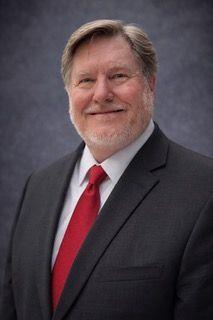
In a recent column, writer Les Ferguson Jr. reflected on the significance of voting and the role of kindness in political discourse. Ferguson, who voted for the first time at the age of 18, shared his experiences and thoughts on the evolving nature of leadership in the United States, particularly as he has witnessed the presidencies of figures such as Ronald Reagan, Bill Clinton, and Donald Trump.
The Early Days of Voting
Ferguson described his initial voting experience, highlighting the importance of civic education that began with a government class in high school. He noted that registering to vote contributed to his grade, an incentive that ultimately influenced his participation in the electoral process. Reflecting on those formative years, he expressed a sense of missed potential due to a lack of academic focus, attributing part of his journey to friends like Dean, Terry, Chuck, and David. While his academic performance suffered, he values the friendships established during that time.
Over the years, Ferguson has witnessed the political landscape shift dramatically. Each president he has seen in office has drawn polarized responses from the public. He acknowledged that perceptions of leadership often swing between extremes, where some view each president as either a savior or a threat to the nation. Despite the divisive climate, Ferguson emphasized that no leader is without flaws and that all have made both commendable and regrettable decisions.
The Human Element of Leadership
Ferguson pointed out that those who occupy the White House are fundamentally human, just like the rest of the populace. He pondered critical questions about decision-making and empathy, asking if leaders could strive for better choices or show greater kindness toward their political adversaries. This introspection led him to a personal conclusion: while he can influence only his own actions, he can contribute positively to the world around him.
Continuing to participate in elections, Ferguson aims to select candidates he believes will serve the country effectively. He acknowledges the imperfections in judgment that come with voting but maintains a focus on self-improvement and the ideals of the golden rule: treating others as one wishes to be treated. This principle, he argues, should extend beyond individual relationships to encompass broader societal interactions.
Ferguson’s message is clear: kindness is essential. He advocates for a cultural shift where individuals, starting with themselves, embody this principle. By fostering positive relationships with spouses, children, friends, and colleagues, he believes society can make significant strides. His concluding thought resonates with a biblical perspective from Luke 6:31: “Just as you want others to do for you, do the same for them.”
Ultimately, Ferguson’s call to action emphasizes the need for elected officials to embrace this ethos of kindness, suggesting that if leaders can embody these values, the political climate may improve for everyone. In a time when civil discourse is often overshadowed by conflict, his reflections provide a reminder that change begins at the individual level.