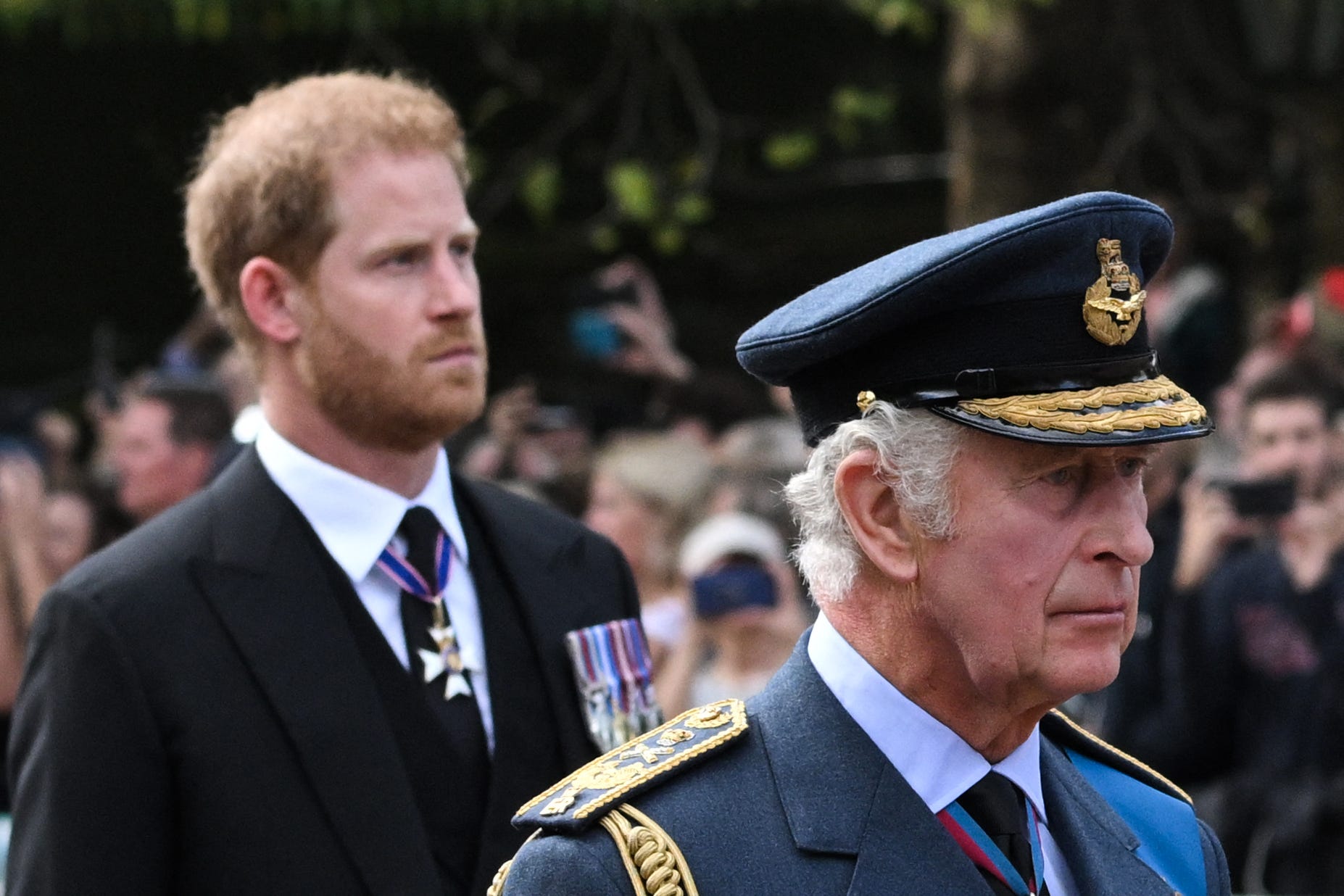
Prince Harry is scheduled to visit the United Kingdom later this month, but it appears unlikely that he will meet with his father, King Charles III, during this trip. Harry’s visit coincides with his ongoing legal case against Associated Newspapers (ANL), creating a complex situation for the Duke of Sussex.
Sources indicate that the specific dates for Harry’s trip are not yet finalized, and the timing is expected to be “very tight.” This constraint would complicate any potential meetings with family members, making it challenging to arrange a reunion. According to Page Six, an insider noted that King Charles is likely to be in Scotland when Harry arrives in London, further diminishing the chances of a father-son meeting.
Legal Matters Complicate Family Dynamics
The strained relationship between Harry and his father, along with his brother, Prince William, has been well documented. Tensions escalated after Harry stepped down from his senior royal duties in 2020 and relocated to California with his wife, Duchess Meghan. This rift became more pronounced following the release of their Netflix docuseries, which detailed their experiences within the royal family.
Harry’s memoir, Spare, published in January 2023, provided a candid look at his struggles, revealing feelings of being diminished by his father and brother. Despite these challenges, Harry has made efforts to rebuild relationships, including a reunion with King Charles in September 2025, which marked their first meeting in 18 months. Prior to that, Harry visited his father in February 2024 after receiving news of the king’s cancer diagnosis.
Another source mentioned to People that King Charles tends to avoid interactions during ongoing legal disputes, suggesting that this may further influence his decision to not meet with Harry during the visit.
While Prince Harry’s trip may not yield a family reunion, it does highlight the complex interplay between personal relationships and public duties within the royal family. As Harry continues to navigate his ongoing legal issues and family dynamics, the focus remains on whether a path to reconciliation can be established in the future.