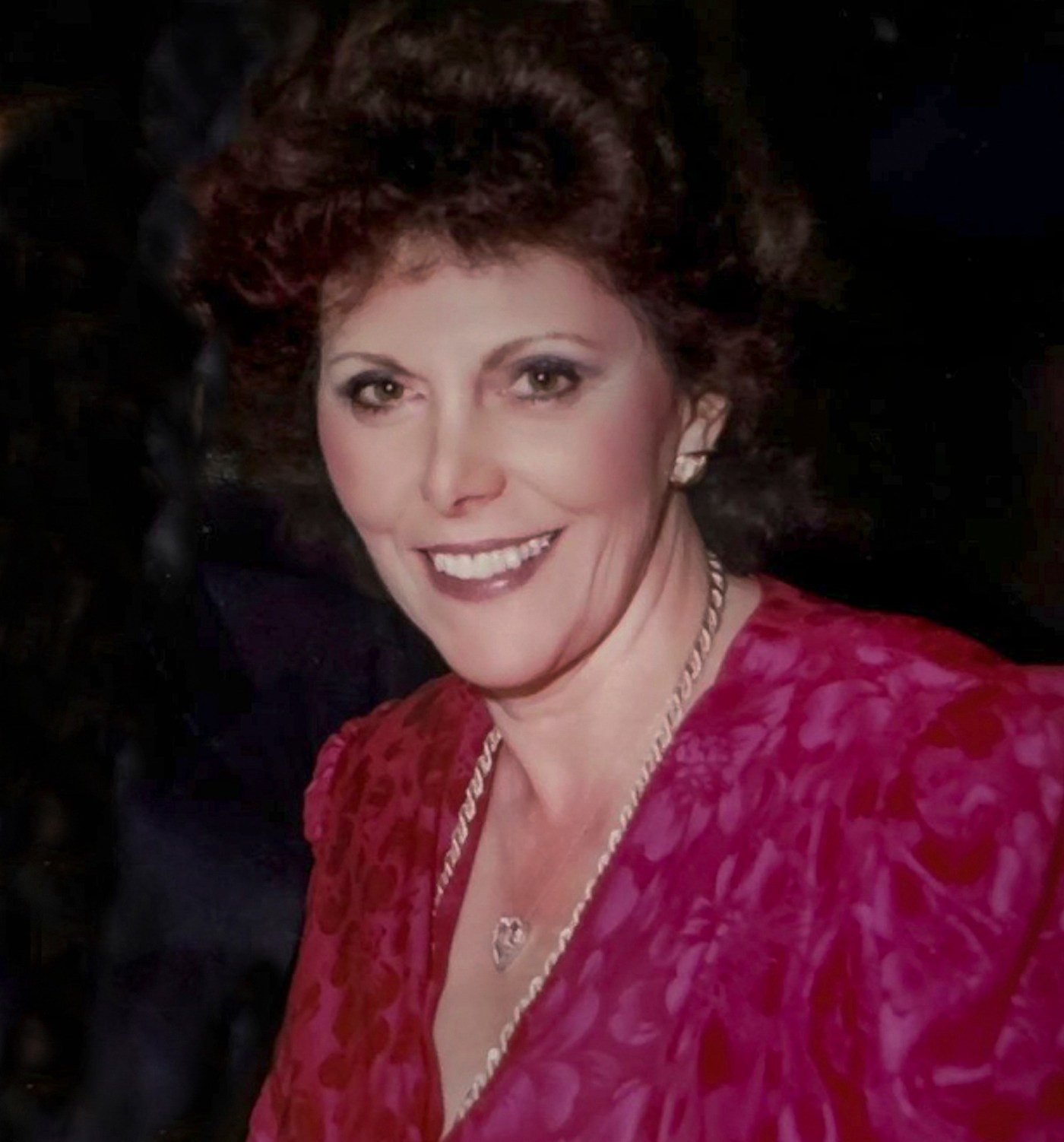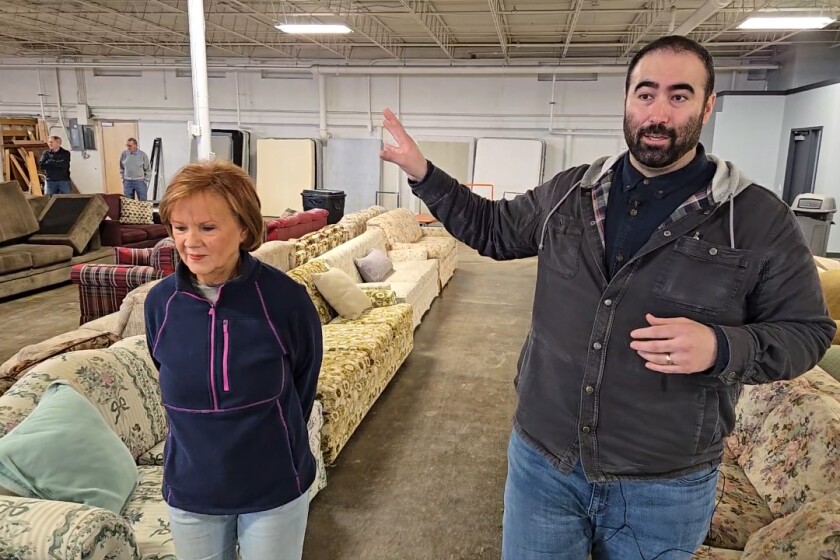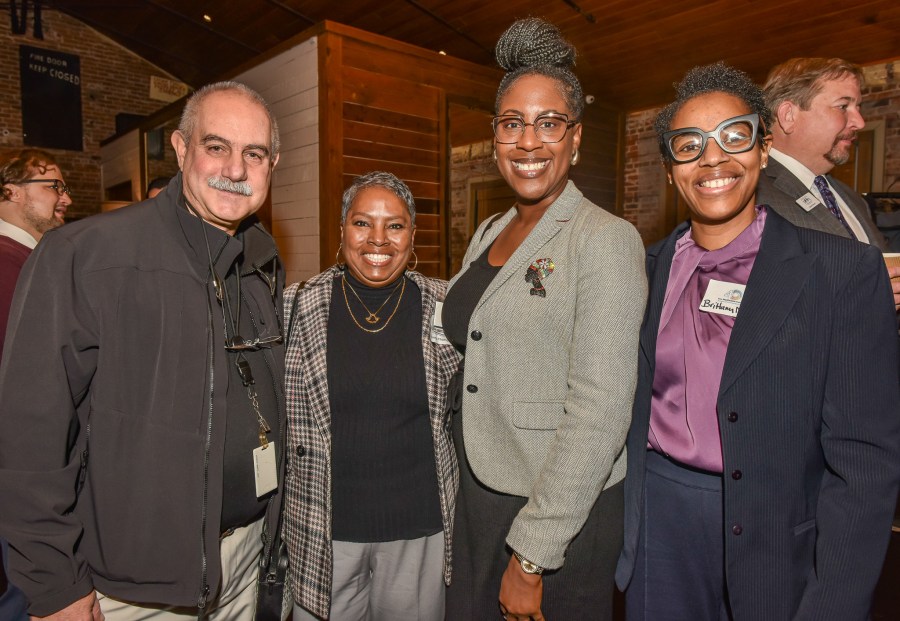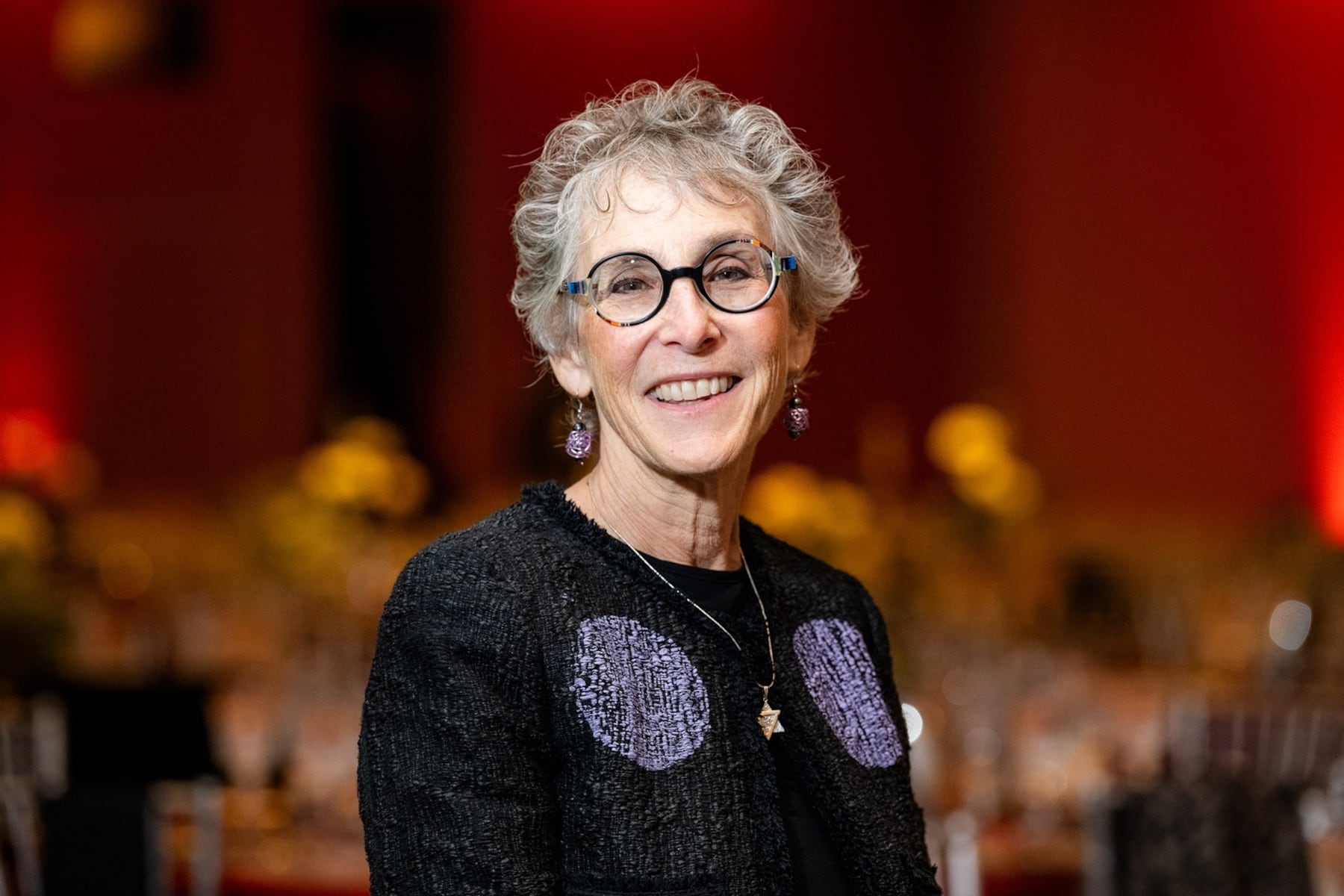
Susan Reis, a state policy advocate for Ohio representing the National Council of Jewish Women (NCJW), emphasizes the power of building genuine relationships to effect positive change in communities. In her role, Reis facilitates communication between individuals and legislators, advocating for various social issues. She asserts that fostering authentic connections, rather than merely transactional interactions, is vital in creating a more engaged and resilient society.
Listening as the Foundation of Connection
Reis highlights that the foundation of successful relationships begins with listening. This process involves understanding others’ stories, experiences, and concerns without the intent to persuade or change their opinions. By engaging in meaningful conversations across diverse socioeconomic backgrounds, races, and beliefs, individuals can uncover shared values and aspirations. This understanding fosters trust and collaboration, essential components for community activism.
“When we listen across lines of socioeconomic status, race, religion and neighborhood, we begin to see what we share,” Reis explains. “That kind of understanding doesn’t erase differences, but it does make collaboration possible.”
The Importance of Patience and Consistency
Building relationships is not a swift process. Reis acknowledges that while people are inherently wired for connection, reaching out to new individuals can often feel uncomfortable. Trust is not established overnight; it requires time, consistency, and dedication, particularly in a society that often prioritizes quick results. “This work isn’t quick. There’s no fast track,” she notes, reminding us that meaningful change unfolds gradually.
Real change, she insists, rarely adheres to strict deadlines. It grows through sustained efforts and genuine interactions. This gradual approach is essential for nurturing strong community ties that can withstand challenges over time.
Simple Actions Lead to Lasting Impact
Reis encourages individuals to embrace simple yet impactful actions in their quest to build relationships. These can include showing up at community events, checking in on neighbors, or having a conversation without any hidden agenda. “When we take time to really know one another – what keeps people up at night, what issues they care about most – we learn who to call when it’s time to act,” she states.
Sometimes, merely being present can help move initiatives forward. This approach allows individuals to connect on a personal level, leading to a greater understanding of community needs and potential collaborative efforts.
Maintaining Relationships Beyond Immediate Goals
Importantly, Reis stresses that strong relationships should not cease once a specific campaign or project concludes. Continuous investment in people, rather than focusing solely on outcomes, ensures that connections endure beyond individual issues. This ongoing commitment transforms short-term successes into long-term community capacity.
“When we invest in people – not just outcomes – those connections continue long after one issue is resolved,” she explains. “Organizations become stronger, communities become more resilient, and the work becomes more sustainable.”
A Call to Action for Community Members
For those eager to embark on this journey of relationship-building, Reis offers a straightforward challenge: exchange contact information with someone new this week. Whether it be a neighbor, fellow volunteer, or local leader, taking the initiative to invite them for coffee or scheduling a casual conversation can lead to surprising connections.
This simple act of outreach may reveal common goals and shared desires to improve the community, reinforcing the idea that genuine human connections are at the core of meaningful change. Reis concludes, “You may be surprised by how much you have in common, especially if you share a desire to make your community a better place.”
Readers interested in contributing to this discussion are encouraged to submit opinion essays on related topics for consideration. Essays should be around 500 words and include a brief bio and headshot of the writer. Submissions can be sent to Ann Norman at [email protected].