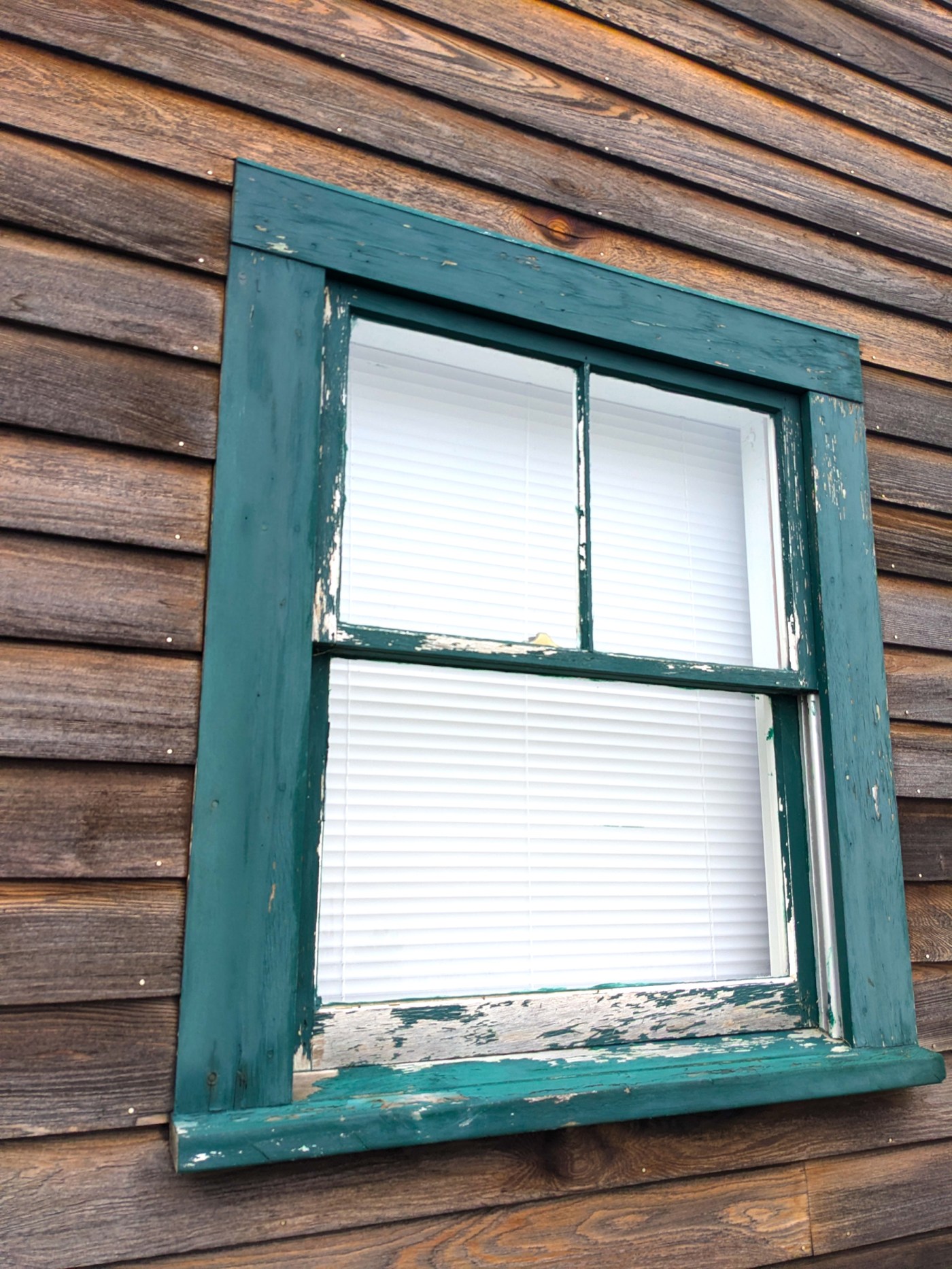
Tim Carter, a seasoned contractor and founder of Ask the Builder, shares valuable insights on how to achieve a durable and aesthetically pleasing exterior paint job. Drawing from over 30 years of experience in the field, Carter emphasizes the importance of preparation, quality materials, and proper techniques to ensure the longevity of paint applications.
Carter’s expertise was solidified during a tour of a major paint factory in Southern California, where he witnessed the intricate process of paint production. He noted the sophisticated technology involved in blending paint, which often goes unnoticed by the general public. This firsthand experience has shaped his understanding of what makes a high-quality exterior paint, leading him to advocate for products with superior resin content.
Understanding Paint Composition
Carter explains that paint can be fundamentally viewed as colored glue, with its adhesive components, known as resins, playing a crucial role. He highlights three common types of resins: vinyl acetate, acrylic, and his personal favorite, urethane. The latter, he points out, offers exceptional adhesion, evidenced by the lasting finish on his home in Cincinnati, where he used urethane-resin paint in the late 1990s.
Preparation Is Key
Before applying paint, Carter insists on the necessity of proper surface preparation. He encourages homeowners to read and follow the instructions on the paint can, which often stress the importance of applying paint to a “clean, dry, dust-free surface.” He compares effective cleaning to the thoroughness of washing one’s body, suggesting that simply pressure washing is insufficient. Instead, he advocates for using a brush in combination with a pre-treatment solution of oxygen bleach and liquid dish soap to achieve a truly clean surface.
Carter warns against the pitfalls of neglecting this step. He shares a personal anecdote about a time he painted his garage in New Hampshire during direct sunlight, leading to blistering paint due to trapped water vapor. This experience underscores his recommendation to always work in shaded areas when painting.
Choosing the Right Products
The quality of caulk used to seal cracks is another essential consideration for ensuring a successful paint job. Carter advises investing in high-quality, water-based caulks for better performance. After applying caulk, he recommends allowing it to cure for at least 24 hours before painting over it.
When it comes to primers, Carter highlights that while some modern paints do not require them, others do. He stresses the importance of timing the application of the finish coat, suggesting it should occur as soon as the primer is ready for recoating. This practice fosters a stronger bond between the primer and the finish paint.
Investing in Quality Tools
In addition to proper surface preparation, the tools used for painting significantly impact the final outcome. Carter emphasizes the benefits of using high-quality brushes, which allow for better paint flow and a smoother appearance. He also recommends wetting the brush before dipping it into the paint to prevent build-up and ensure a clean application.
Carter invites readers to share their own exterior painting stories and tips through his platform at AsktheBuilder.com. He also offers additional resources, including a free newsletter and coaching calls for those who may encounter challenges during their DIY projects.
By following these expert recommendations, homeowners can achieve professional-looking results and extend the life of their exterior paint jobs.