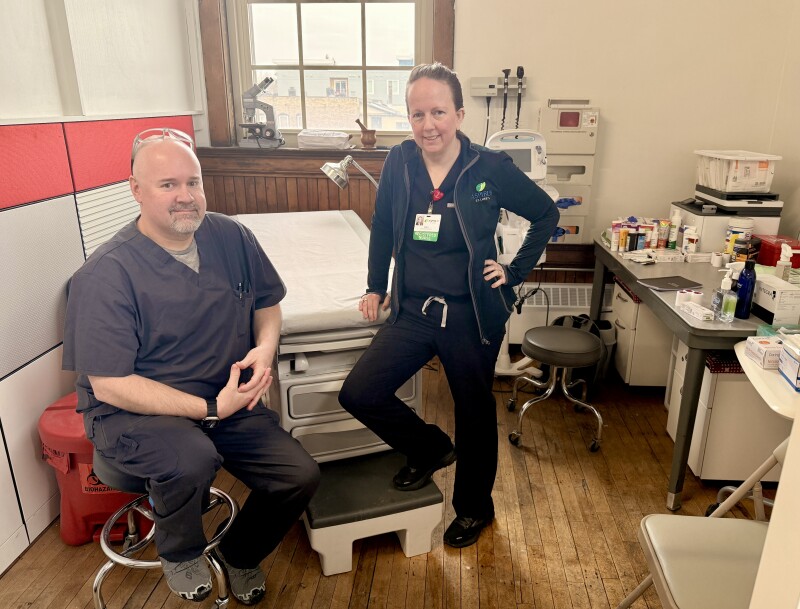
The Chum Hope Clinic has initiated a free wound care program for unhoused individuals in Duluth, available on the second Monday of each month from 10 a.m. to 2 p.m. The clinic, currently situated at the Damiano Center, collaborates with volunteer providers from Aspirus St. Luke’s Wound Care Clinic to offer walk-in services. This initiative comes as the demand for wound care among the local unhoused population has significantly increased.
Anne Romberg, the health and wellness coordinator at Chum, noted a rise in the necessity for wound care services. Two years ago, approximately three unhoused individuals sought treatment each month. That number has surged to around 15 currently. Factors such as the prevalence of xylazine, a drug often mixed with fentanyl or heroin, have contributed to this increase. Romberg explained, “These drugs cause necrosis wounds that can develop even in areas that have not been injected.”
Community Partnership Enhances Care Access
Jarrod Buresh, the medical director at Aspirus St. Luke’s Wound Care, began volunteering at the Hope Clinic in January. He elaborated on the effects of xylazine: “When injected, the drug can block blood flow, leading to tissue necrosis.” Patients can receive treatment for various conditions beyond drug-related wounds, including abscesses, foot and pressure wounds, frostbite, and complications from unmanaged diabetes.
Chum and Aspirus St. Luke’s first connected through community meetings focused on health care for the homeless. These gatherings included various partners, such as Maija Kaarto, the clinical supervisor at Aspirus, who offers general wound care education throughout the area. Together, Buresh and Kaarto dedicate about four hours each month, providing care to approximately 10-12 unhoused individuals at the Damiano Center.
Romberg praised Buresh’s approach, noting, “He takes the time to talk to folks, building relationships without the pressure of seeing the next patient.” Buresh anticipates that word of mouth will increase awareness and usage of the program, especially as referrals from emergency rooms rise.
Addressing Health Barriers for the Unhoused
The regular wound care clinic at Aspirus St. Luke’s sees up to 60 patients daily, totaling around 10,000 annual visits. Kaarto mentioned an increase in referrals for unhoused patients, emphasizing the challenges they face in accessing traditional healthcare. She noted, “Many do not attend appointments due to various barriers, including transportation and social stigma.”
Romberg highlighted the importance of the monthly clinic, stating that it helps eliminate obstacles to care. Buresh added that social stigma can deter individuals from seeking help. “People often avoid those with visible wounds, leading them to feel isolated,” he explained. Establishing trust is crucial for effective treatment, and both Romberg and Buresh recognize the complexities involved in building rapport with patients.
Buresh, who has experience working with large populations experiencing homelessness, expressed a deep commitment to this work. After retiring as a vascular surgeon in 2017, he shifted his focus to wound care, aiming to address the specific needs of this vulnerable group. He noted, “Diabetes and venous disease are significant contributors to wounds among the unhoused.”
Without appropriate treatment, diabetic wounds can lead to severe consequences, such as amputations. Buresh explained, “A diabetic foot ulcer can escalate to necrotizing fasciitis, a life-threatening condition.” Early intervention is vital to prevent complications that could overwhelm healthcare systems.
The wound care process often involves debridement to remove damaged tissue, with the provision of topical anesthetics. Kaarto reflected on the positive outcomes of their work, stating, “When patients express improvement in their lives due to healed wounds, it is incredibly rewarding.”
To support this initiative, donations are accepted at the Chum administrative building located at 102 W. Second St.. Needed items include gauze, dressings, adult-sized footwear, and warm clothing. Chum received a $5,000 grant to create wound care kits, aided by University of Minnesota Duluth medical students, while Aspirus St. Luke’s has secured contributions from its medical suppliers.
Romberg concluded, “I feel passionately about helping those who often go unseen. This work is a calling for me.” The wound care program at the Chum Hope Clinic exemplifies a critical step in addressing the health needs of Duluth’s unhoused population, fostering an environment of care and dignity.