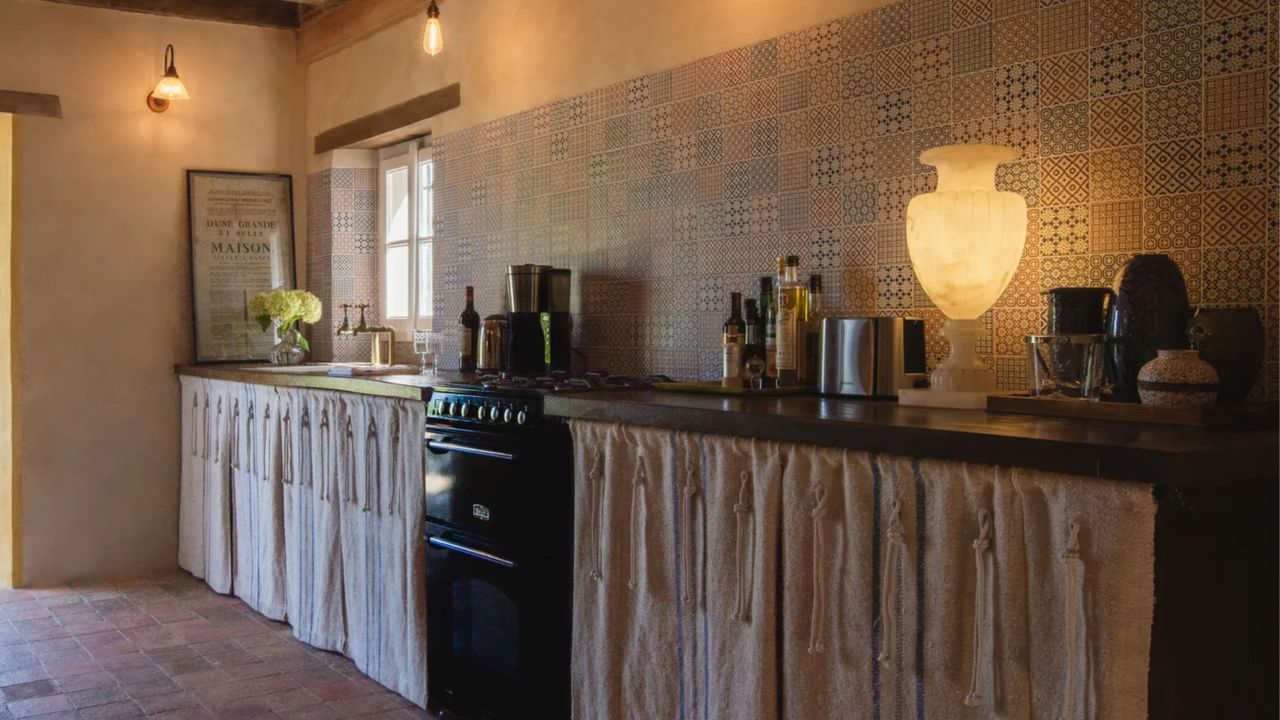
Designers are increasingly emphasizing the concept of layering in interior design, not just as a trend but as a fundamental principle that adds depth and character to spaces. Layering creates an atmosphere that feels lived in and authentic, rather than simply decorative. Interior designers articulate how this technique transforms a room into a reflection of its inhabitants’ lives.
Understanding Layering and Its Significance
Sarah Hart, the owner and principal designer at Charleston-based Sarah Hart Interior Design, defines layering as the “art of combining contrasting textures, shapes, materials, and scales.” This method is vital for creating spaces that feel intentional and dynamic. According to Hart, without layering, rooms can appear flat, especially in high-end homes where richness and depth are essential.
Hart provides a practical example to illustrate her point. “Imagine a living room filled with oversized, plush furniture,” she explains. “It can feel heavy and overwhelming. Introducing lighter elements or contrasting shapes corrects this imbalance and adds a sense of sophistication.” Effective layering is not only about visual appeal; it also enhances balance and proportion, distinguishing a space that feels merely decorated from one that feels artfully designed.
Ten Techniques for Effective Layering
The following techniques highlight how designers skillfully incorporate layering to create inviting, dynamic interiors.
1. **Establish a Strong Foundation**
The initial layer is critical as it sets the tone for the entire room. According to Madelynn Hudson of M.H. Interiors, designers must prioritize the base layers, including rugs, wall colors, and architectural features. “When this foundation is solid, it provides clear direction for all subsequent choices,” Hudson asserts.
2. **Soften Sharp Edges**
Textiles play a pivotal role in balancing hard architectural elements. Lauren Carlucci, based between New York and Wyoming, notes, “I use textiles to soften hard surfaces and bring warmth into a space.” Layering various fabrics, such as pillows and quilts, with more structured elements can enhance comfort and visual interest.
3. **Incorporate Diverse Materials**
Layering isn’t limited to decorative objects; it also involves varying materials. Hudson emphasizes the importance of combining stone, metal, wood, and textiles, each contributing unique qualities. “Balancing warm and cool materials creates tension and intrigue,” she states.
4. **Diversify Lighting Sources**
Lighting is another area where layering proves essential. Jess Weeth highlights that incorporating sconces, lamps, and art lighting can elevate a room beyond its basic illumination. “Layering lighting creates warmth and depth, transforming a space from good to exceptional,” she explains.
5. **Experiment with Shape and Scale**
Mixing different shapes and sizes introduces visual movement within a room. Hudson advises pairing curvy forms with linear ones to keep a space dynamic. Cheryl Stauffer of Crimson Design Group agrees, noting that starting with larger pieces and gradually adding smaller items ensures an engaging composition.
6. **Blend High and Low Elements**
Combining luxury items with more budget-friendly pieces can create a balanced aesthetic. Dan Mazzarini, principal designer at Mazzarini & Co., remarks, “It’s the mixture that adds intrigue, not the price tag.” For instance, a high-end table can harmonize with affordable textiles, enhancing the overall design.
7. **Merge Old with New**
The juxtaposition of vintage and contemporary pieces enriches a room’s narrative. Carlucci suggests pairing modern furniture with antique accents to create a sense of history and warmth. “It prevents a space from feeling stale and adds layers of meaning,” she notes.
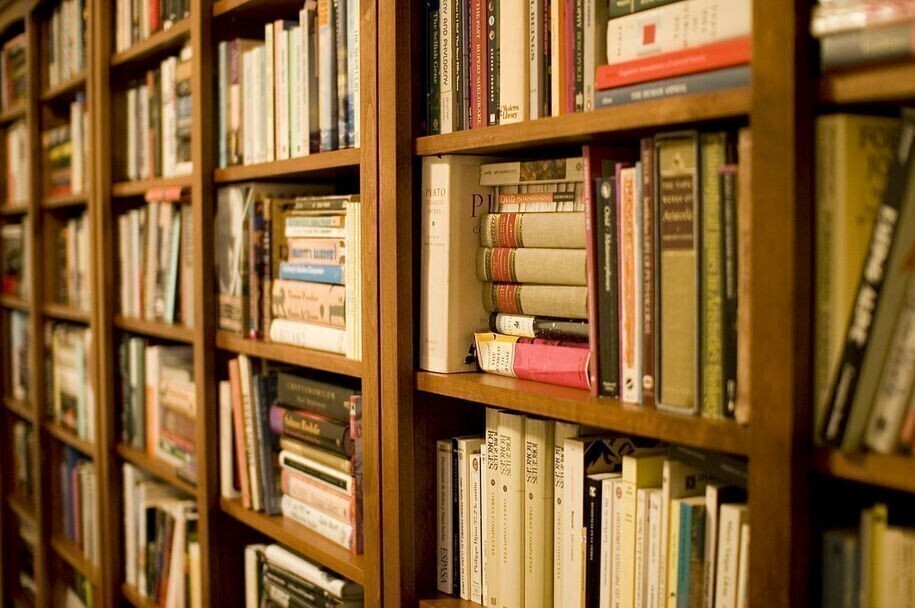
8. **Utilize Literature as a Layer**
Books can serve as decorative elements that enhance the layering process. Stauffer frequently uses books to style surfaces, emphasizing the visual story each collection tells. By incorporating various sizes and colors, books become integral to the room’s aesthetic.
9. **Incorporate Pleats and Skirts**
Textured furniture adds depth and softness without overwhelming a space. Weeth points out that pleated and skirted pieces can introduce volume while offering a refreshing update to existing furniture. This technique allows for an elegant transformation without the need for wholesale changes.
10. **Infuse Personal Touches**
Finally, personal items are essential for making a room feel complete. Hudson suggests adding elements like art, ceramics, and travel souvenirs that tell a story. “These subtle, personal details carry significant emotional weight, making the space distinctly yours,” she says.
Layering in interior design is not merely a decorative choice but a lifestyle approach that evolves over time. By focusing on foundational elements, experimenting with materials, and weaving personal narratives into the fabric of a room, homeowners can create spaces that are not only beautiful but also deeply resonant with their lives.