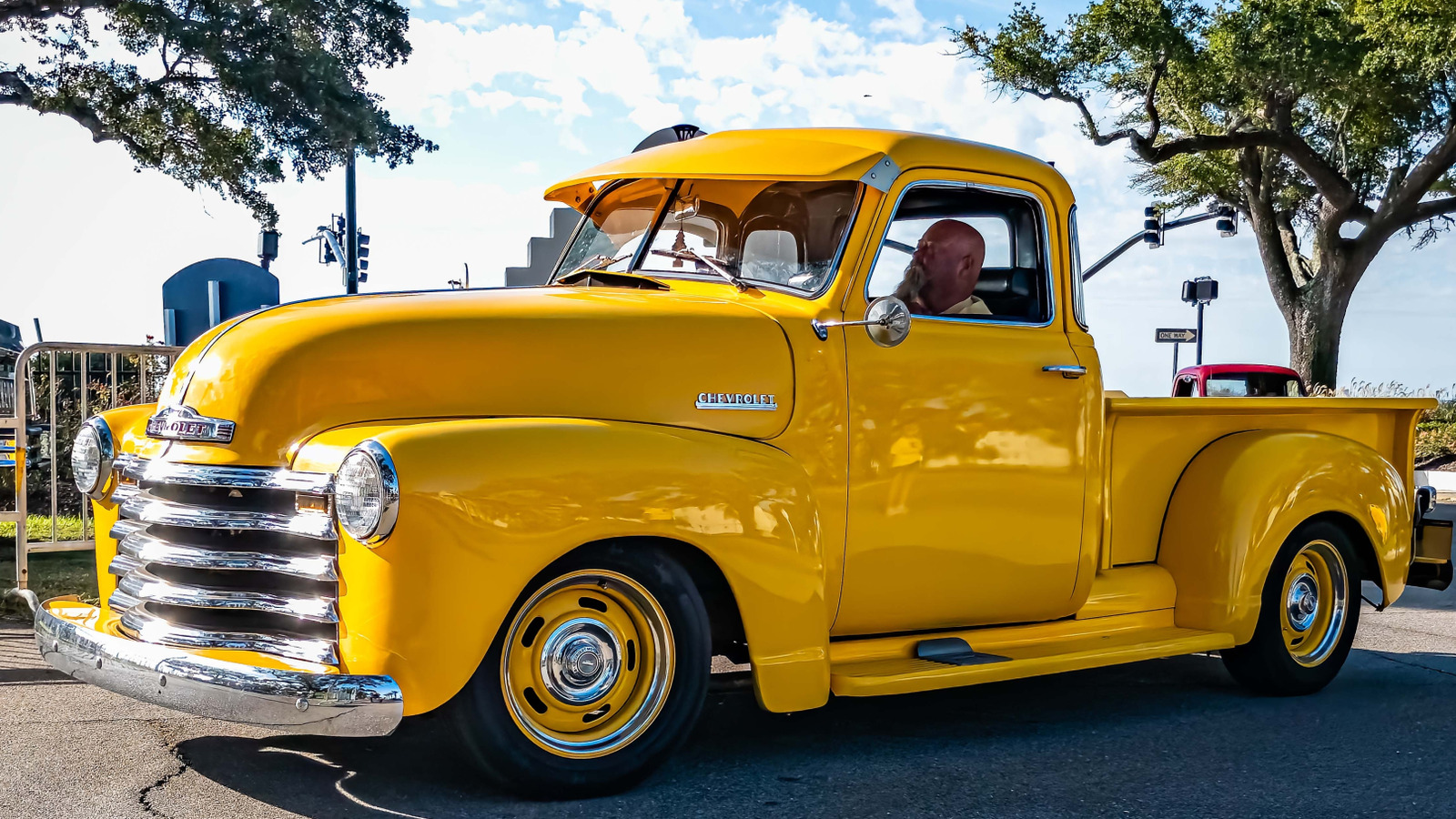
The debate surrounding vintage external sun visors has sparked division among classic car enthusiasts. Once a popular accessory in the 1940s and 1950s, these visors have resurfaced as a topic of contention, with opinions split on their aesthetic and practical merits.
Historical Context of Sun Visors
The sun visor has a history dating back over a century, originating during the early days of automobile production when the iconic Ford Model T was still a mainstay in showrooms. In those times, manufacturers began exploring ways to enhance vehicle practicality alongside performance. The inclusion of sun visors seemed a logical progression. Unlike the compact, flip-down visors found in modern cars, these early designs were external, spanning the width of the windscreen.
As the automotive industry evolved, so too did the design of sun visors. By the 1950s, while cars featured internal drop-down visors, external variants remained prevalent. This raises a question: why do some classic enthusiasts still favor these older designs?
Divided Opinions in the Classic Car Community
The classic car community is not universally opposed to sun visors; rather, the discord arises from the external versions. Many enthusiasts appreciate the practicality of sun visors, yet they express concern about the aesthetics of these add-ons. Some believe that the large metal visors detract from a vehicle’s original design.
The external visors were initially factory-fitted, providing sun protection and shielding against rain—a valuable feature considering the less effective windshield wipers of the era. However, by the mid-20th century, internal visors had become standard. Critics argue that the external visors are unnecessary, creating a retro look that some find unappealing.
This controversy isn’t new. External visors fell out of favor relatively quickly, indicating that they have long been a point of contention among collectors and restorers.
Beyond aesthetics, there are practical concerns regarding performance. While definitive aerodynamic evidence is scarce, some enthusiasts suggest that external visors could create unwanted drag at higher speeds. This is particularly relevant for those modifying their classic cars with performance upgrades, as additional drag could hinder efficiency.
Innovative solutions have emerged within the community. For instance, a classic Chevy truck owner adjusted his external visor by incorporating louvers, allowing air to escape and reducing potential drag while maintaining the visor’s sun-blocking function.
Furthermore, drivers face visibility challenges with external visors blocking their line of sight to traffic signals. Fortunately, modern solutions like traffic light finders, which use prisms to reflect signals, can mitigate this issue.
The classic car community comprises diverse preferences. While some enthusiasts strive for authenticity, others embrace modifications, including the addition of external sun visors. This accessory finds renewed interest among those seeking a vintage aesthetic or a nod to period accessories.
Popular choices such as the Fulton three-piece sun visor offer adjustability and ease of installation, appealing to collectors and restorers alike. Prices for reproduction items hover around $500, although additional costs for painting and fitting should be considered.
Despite differing opinions, external sun visors maintain a presence in the classic car scene, particularly among certain groups such as lowrider enthusiasts. While not universally embraced, for many, achieving the quintessential look of the 1940s and 1950s renders the external sun visor an essential accessory.
As the classic car community continues to navigate the divide over this vintage fix, it exemplifies the complexities of automotive appreciation, where personal taste and historical fidelity are often at odds.