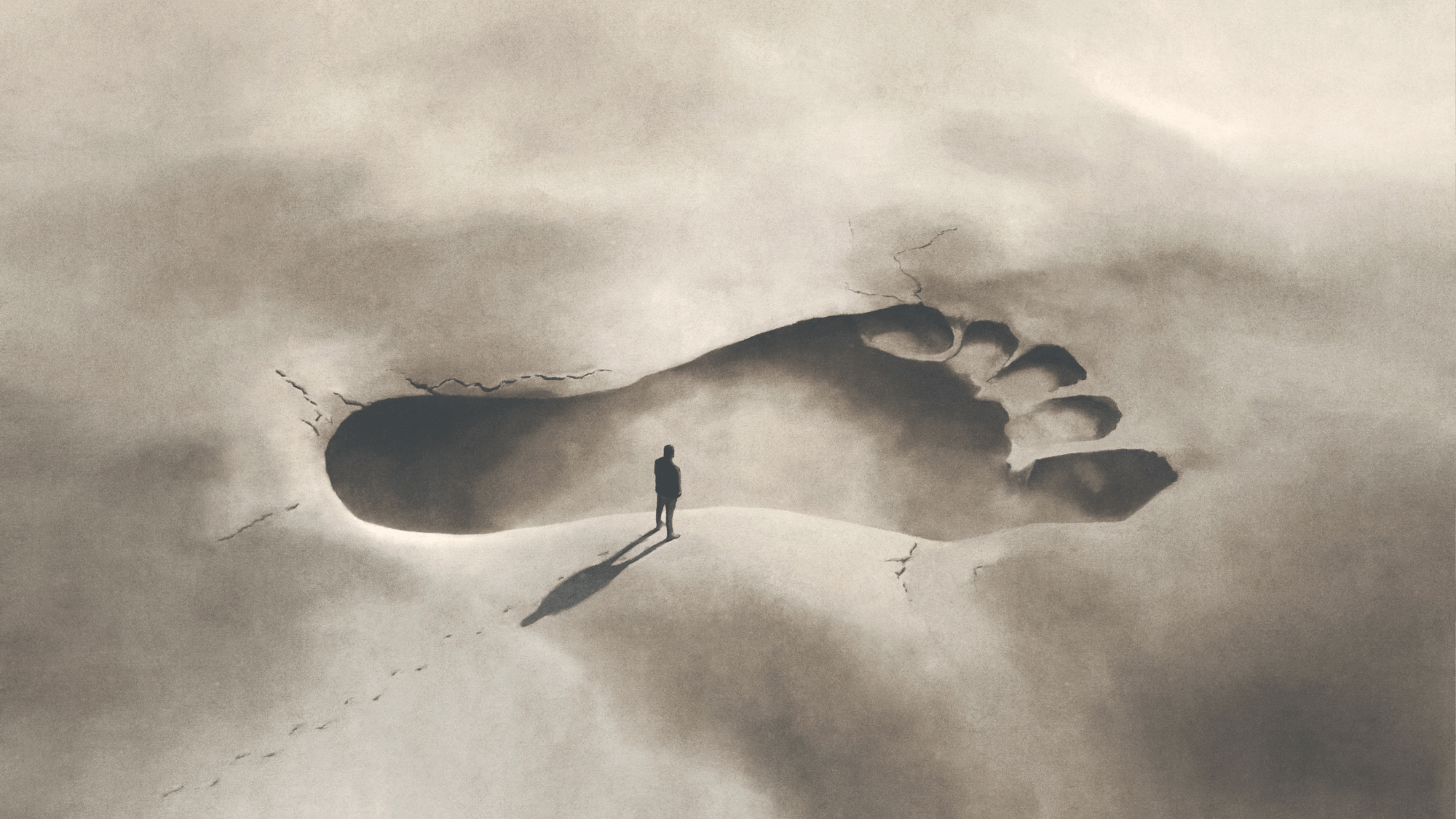
A 3,300-year-old Egyptian papyrus known as Anastasi I is drawing renewed interest as it contains a remarkable reference that has puzzled scholars. This ancient document, which has resided in the British Museum since 1839, was originally cataloged as part of Egypt’s New Kingdom records. Recent scrutiny has highlighted a particular detail about the height of a nomadic group called the Shosu, suggesting they may have been giants.
Written around the 13th century BCE, the papyrus appears as a letter attributed to a scribe named Hori. It primarily discusses military routes, hazardous terrains, and the challenges of traversing contested regions. However, it also mentions the Shosu, who are described as measuring between four and five cubits tall. Given that an Egyptian cubit is approximately 20 inches, this implies that these individuals stood between roughly 6 feet 8 inches and over 8 feet. Such heights would have made them exceptionally tall in a time when most adults were significantly shorter.
The document notes the Shosu as aggressive and difficult to persuade, offering no further context for their impressive stature. This intriguing detail has captured the attention of the Associates for Biblical Research, who draw parallels to biblical accounts of large figures, such as the Nephilim mentioned in Genesis 6, described as “men of renown.” Additionally, in Numbers 13:33, the Israelites compare themselves to grasshoppers when encountering the sons of Anak, further fueling the debate over the existence of such giants.
This notion of giants raises concerns among skeptics. The late biblical scholar Dr. Michael Heiser stated that individuals approaching seven feet tall exist today without any divine lineage. Moreover, the Shosu appear throughout Egyptian records as groups that soldiers found challenging to engage with, suggesting that their portrayal may have been exaggerated over time.
Some scholars propose that the letter could serve as an instructional exercise, amplifying the dangers faced by military personnel to emphasize the importance of preparation and competence. Nevertheless, tangible evidence to support claims of giant figures remains elusive. There are no skeletal remains, oversized tools, or architecture designed for such heights that can be found in museum collections.
While the evidence from Anastasi I does not conclusively prove the existence of giants, it does keep the discussion alive. The fascination with these ancient narratives continues, reflecting humanity’s enduring interest in the extraordinary. As researchers delve into historical documents and archaeological records, the story of the Shosu and their imposing stature remains a tantalizing mystery waiting to be unraveled.