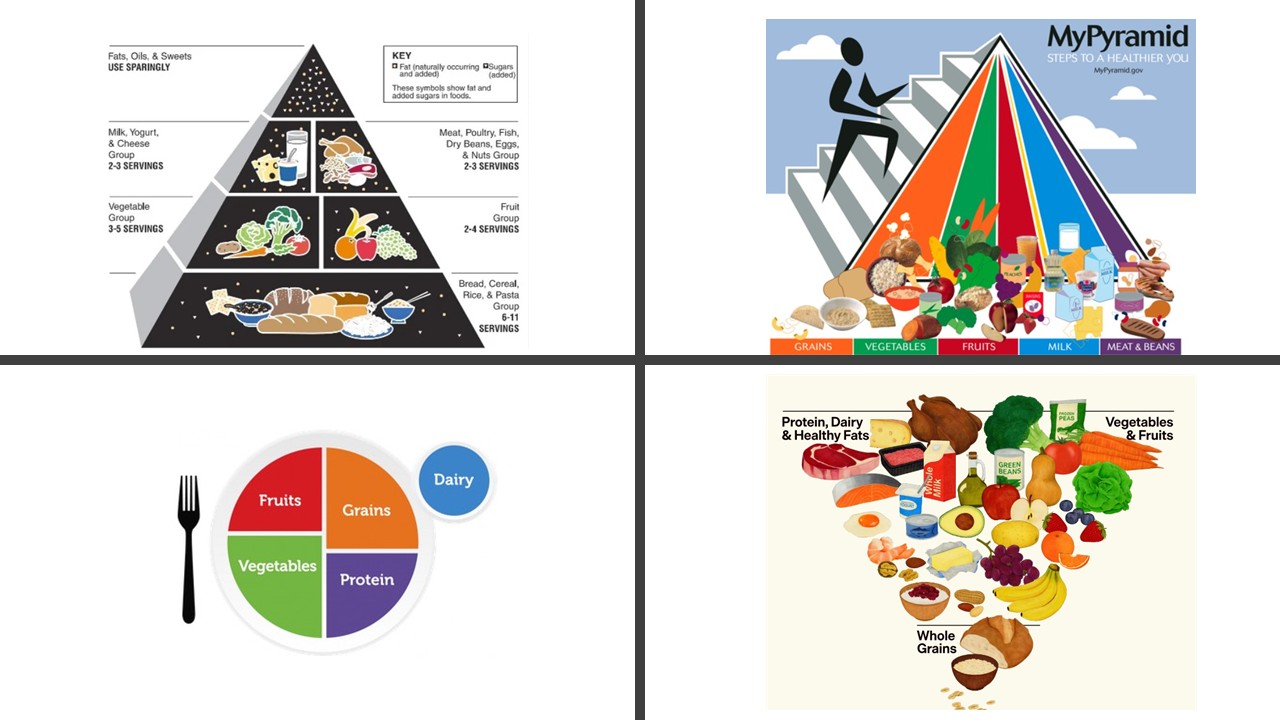
The United States Department of Agriculture (USDA) has released its latest *Dietary Guidelines for Americans* for the years 2025–2030, introducing a new inverted food pyramid that emphasizes a balanced, nutrient-rich diet. This update marks a significant shift from previous dietary models, moving away from the traditional pyramid format used since its introduction in 1992.
The new pyramid places a strong focus on protein, dairy, and healthy fats at the top, symbolizing the largest portion of recommended foods. Vegetables and fruits are also prioritized, reflecting current nutritional science. In a statement, U.S. Department of Health and Human Services Secretary Robert F. Kennedy Jr. remarked, “These Guidelines return us to the basics. American households must prioritize whole, nutrient-dense foods — protein, dairy, vegetables, fruits, healthy fats, and whole grains — and dramatically reduce highly processed foods. This is how we Make America Healthy Again.”
Key Recommendations from the Guidelines
The USDA’s new guidelines emphasize practical and flexible advice, grounded in modern nutrition science. They include several key recommendations:
– **Prioritize protein** at every meal to enhance nutritional intake.
– **Consume full-fat dairy** without added sugars, promoting healthier choices.
– **Eat a variety of vegetables and fruits** throughout the day, focusing on whole forms rather than processed options.
– **Incorporate healthy fats** from whole foods, such as meats, seafood, eggs, nuts, seeds, olives, and avocados, into daily diets.
– **Focus on whole grains** while significantly reducing refined carbohydrates.
– **Limit consumption of highly processed foods, added sugars, and artificial additives** to improve overall health.
– **Choose water and unsweetened beverages** to support hydration and limit alcohol consumption for better health outcomes.
Additionally, the guidelines provide personalized recommendations to ensure nutritional adequacy for a variety of groups including infants, children, adolescents, pregnant and lactating women, older adults, and individuals with chronic diseases, as well as vegetarians and vegans.
The USDA’s latest initiative reflects a growing recognition of the importance of whole foods and balanced nutrition in promoting public health. The detailed guidelines can be accessed at the USDA’s official website.
The introduction of the inverted food pyramid aims to simplify dietary advice and encourage healthier eating habits across the population, marking a pivotal moment in nutritional guidance.