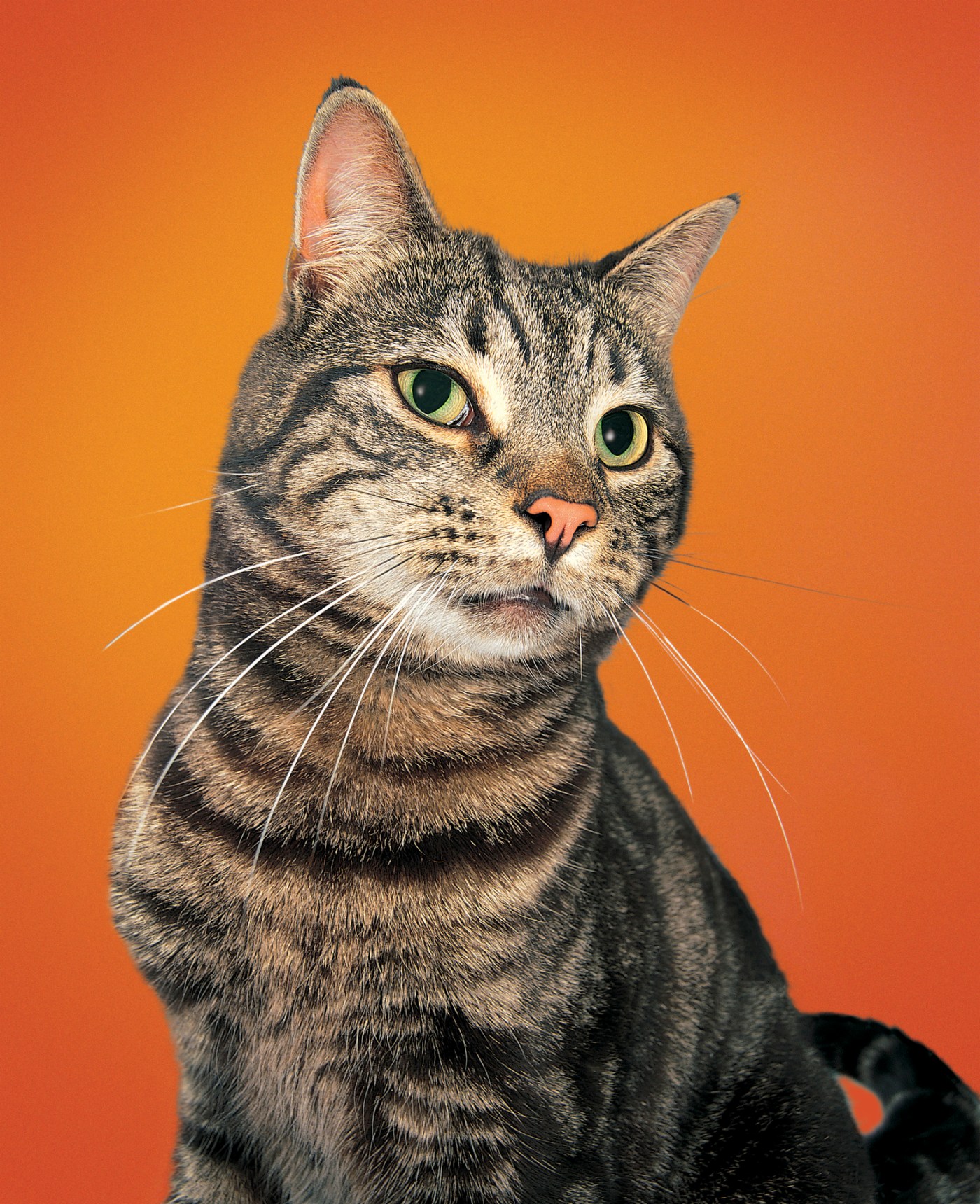
When a cat starts sneezing frequently, it can be a cause for concern among pet owners. A recent inquiry from a cat owner regarding her two 10-year-old cats, Bill and Ted, sheds light on this common issue. The owner, referred to as E.S., noted that Ted has experienced intermittent sneezing over the past few months. Despite a routine veterinary examination two months ago that indicated both cats were in good health, the sneezing persists and has slightly increased in frequency.
Dr. John de Jong, President of the World Veterinary Association and owner of the Boston Mobile Veterinary Clinic, provided insight into the possible causes of this condition. He explained that while allergies could potentially be a factor, they usually present with additional symptoms such as itchy skin, tearing from the eyes, wheezing, or coughing. For many cats, sneezing is more commonly linked to respiratory infections, irritants in the environment, or foreign objects lodged in their nasal passages.
E.S. mentioned that the sneezing seemed to occur more often after Ted sniffed the composting in their yard. Dr. de Jong suggested that the compost could be a source of irritation, possibly due to allergens or small debris that Ted may have inhaled. He highlighted that nasal polyps or other growths could also be responsible for the increased sneezing.
In terms of what to monitor, Dr. de Jong advised E.S. to look for signs such as nasal discharge, swelling of the nose, loss of appetite, or decreased energy. These symptoms could indicate a more serious underlying issue. As a first step, he recommended removing the compost from the environment to see if it alleviates the sneezing.
Next Steps for Concerned Pet Owners
If the sneezing continues after removing the compost, Dr. de Jong suggested that a visit to the veterinarian might be necessary for further diagnostics. Potential tests could include radiographs, endoscopy, or blood work to identify any infections.
Despite the ongoing sneezing, Dr. de Jong expressed optimism that the situation may not be serious and could resolve with appropriate measures. For pet owners like E.S., being vigilant and responsive to their pets’ health is crucial, ensuring a happier, healthier life for their beloved companions.
Dr. John de Jong can be reached at 781-899-9994 for further veterinary advice.