Approximately 27 million adults in the United States faced challenges related to alcohol use disorder last year, according to the 2024 National Survey on Drug Use and Health. Understanding how alcohol affects the brain can be crucial for individuals and families seeking recovery from this condition.
How Alcohol Affects the Brain
Alcohol addiction typically develops gradually, beginning with occasional drinking that can evolve into dependence. As individuals consume alcohol repeatedly, their brains adapt, necessitating larger quantities to achieve the same effects—a phenomenon known as tolerance. Consequently, when an individual stops drinking, they may experience withdrawal symptoms like tremors, anxiety, and in some cases, severe medical complications that require professional intervention.
Psychological dependence also intensifies. Many people find themselves craving alcohol to cope with stress or feeling uneasy without it. This dependency complicates the quitting process, rendering mere willpower insufficient.
Recognizing Alcohol Addiction
Identifying the signs of alcohol addiction can be vital for early intervention. Physical symptoms often include:
– Increased tolerance requiring greater amounts of alcohol for the same effect
– Sleep disturbances or changes in appetite
– Withdrawal symptoms such as shakiness, sweating, or nausea when alcohol is not consumed
Behavioral and psychological indicators may consist of:
– Drinking larger amounts or more frequently than intended
– Concealing or lying about alcohol consumption
– Neglecting responsibilities related to work, family, or interests
– Experiencing mood swings, anxiety, or depression
– Engaging in risky behaviors, including driving under the influence
Effective Treatment Options
The encouraging news is that addiction is a chronic but treatable medical condition, comparable to diabetes or heart disease. Just like these diseases, addiction may involve cycles of relapse and recovery. However, with appropriate treatment, many individuals achieve lasting improvement.
Treatment for alcohol addiction varies from person to person, encompassing options such as inpatient or outpatient programs, telehealth, counseling, and support groups. A popular approach that has yielded positive outcomes is known as Medication-Assisted Treatment (MAT), which combines various strategies:
– **Talk therapy**: Licensed counselors assist individuals in developing coping mechanisms, managing triggers, and improving relationships. Therapy sessions can be conducted individually, in groups, or with family members.
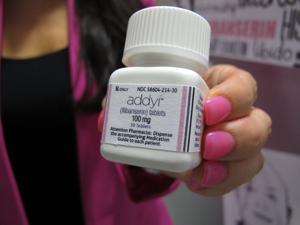
– **Medications**: Non-addictive medications, prescribed by addiction specialists or primary care providers, can help diminish cravings and reduce the likelihood of relapse.
Modern treatment programs offer increased flexibility, allowing individuals to pursue their jobs and family responsibilities while undergoing treatment.
Taking the first step towards recovery begins with a conversation with a healthcare provider. For those grappling with alcohol-related issues, support is available, and healing is possible.
Dr. Jacob Marquette, Medical Director at Barton Community Health Center and a certified addiction medicine specialist, emphasizes the importance of seeking help. The center provides Medication-Assisted Treatment (MAT) services for substance use disorders, including alcohol. For those concerned about addiction, consulting with a primary care team or visiting BartonHealth.org can be informative steps towards understanding available treatment options.