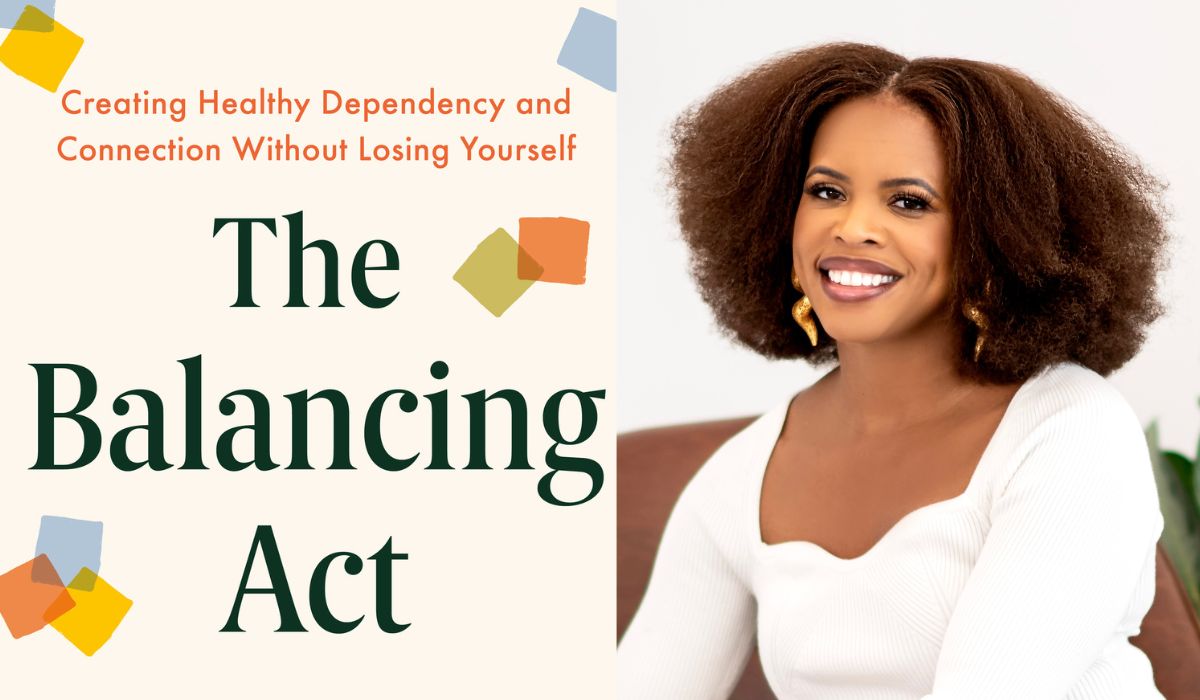
Nedra Glover Tawwab, a renowned therapist and social media creator, is set to release her latest book, The Balancing Act: Creating Healthy Dependency and Connection Without Losing Yourself, on February 10, 2026. This new work follows her previous bestsellers, Set Boundaries, Find Peace and Drama Free, and shifts the focus from self-reliance to the importance of healthy interdependence.
In Set Boundaries, Find Peace, published in 2021, Tawwab guided readers on establishing personal boundaries, empowering them to say “no” and reclaim their autonomy. Two years later, her focus evolved with Drama Free, which addressed unhealthy family dynamics. Now, in The Balancing Act, she invites readers to explore the value of relationships while maintaining their individuality.
Tawwab’s new book delves into the psychological implications of excessive independence and the common misconceptions surrounding it. She reminds readers that seeking help and support from others is not only acceptable but essential for personal growth. Tawwab’s empathetic approach resonates with those who may have struggled with reliance on others in the past.
The book tackles various themes prevalent in modern therapy, including attachment theory and codependency. Tawwab’s straightforward style combines clinical insights with relatable anecdotes, making complex ideas accessible. She encourages readers to reflect on their relationships and consider whether they are truly open to accepting support when needed.
In one of her chapters, Tawwab discusses the “Hyper-Independent Person and Relationships.” She challenges the notion that self-sufficiency is the ultimate goal, suggesting instead that meaningful connections are vital for emotional well-being. Her advice includes recognizing the importance of self-love while also acknowledging the need for love from others.
Tawwab’s approach is practical. She emphasizes clarity when asking for help, advising readers to articulate their needs directly. Additionally, she stresses the importance of selecting the right person for specific tasks, considering their strengths and willingness to assist.
As a personal testament to her teachings, one reader shared their experience of moving from New Haven to Gwangju, South Korea, while producing a zero-budget public access TV show. This individual has begun applying Tawwab’s principles by reaching out to friends for assistance with various tasks, illustrating the transformation from hyper-independence to a more balanced approach to collaboration.
The lessons in The Balancing Act are timely. Tawwab’s insights offer a refreshing perspective on dependency, encouraging readers to reassess their relationship with support and vulnerability. Her work continues to empower individuals to find harmony between independence and interdependence.
In a world increasingly characterized by isolation, Tawwab provides a vital reminder of the strength found in connection. Her latest book not only addresses the complexities of relationships but also champions the art of seeking help, making it a significant contribution to contemporary self-help literature.