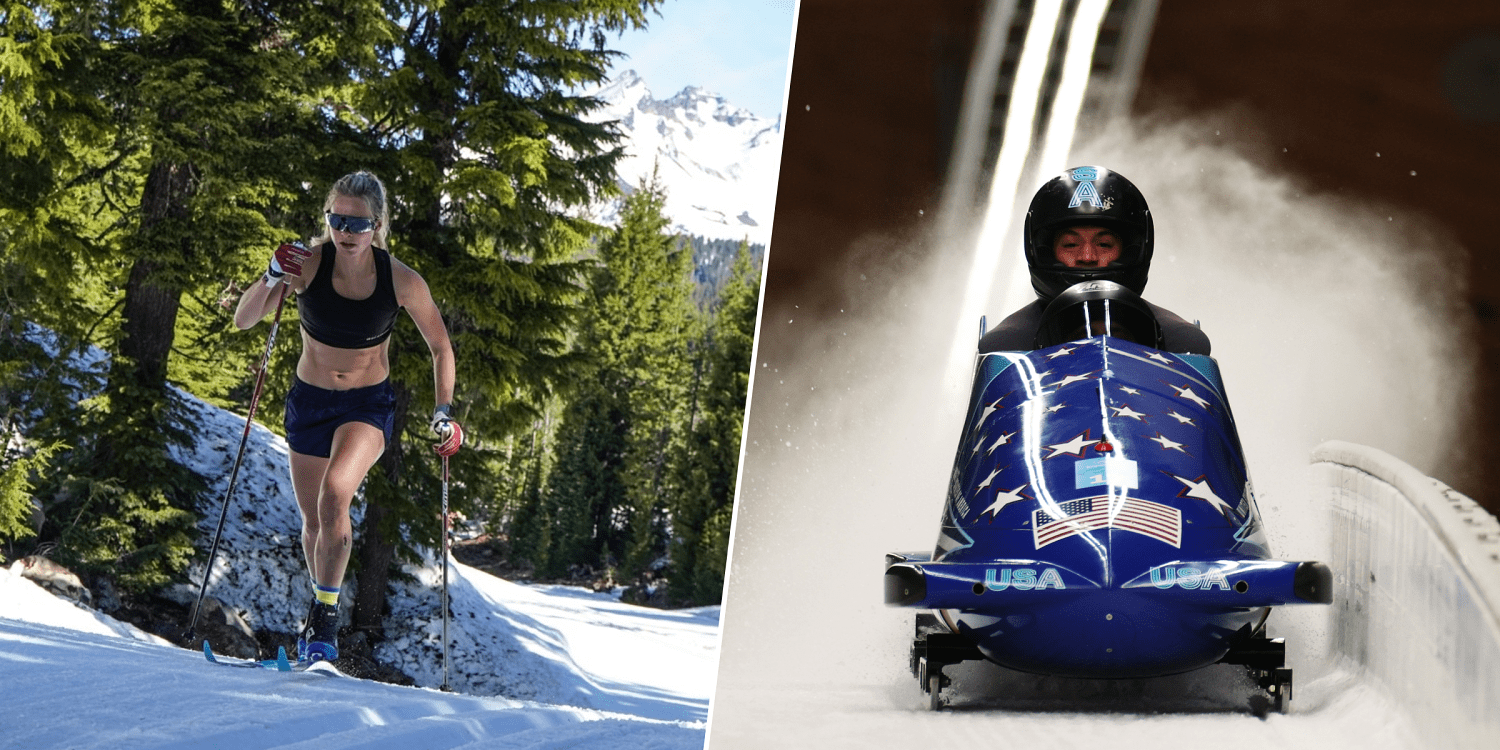
Nutrition plays a crucial role in the preparation and performance of Olympic athletes. For members of Team USA, including Olympic gold medal skier Jessie Diggins and bobsled driver Frank Del Duca, a comprehensive fueling strategy is essential for enduring the demands of training and competition. This approach extends beyond race day, forming an integral part of their daily routines.
Diggins emphasizes the importance of consistent nutrition throughout her training. “Day-to-day fueling has been really important to my longevity,” she stated. “I don’t focus on fueling my body only on race days. I consciously think about it every day, whether I am training, recovering or racing.” She opts for simple ways to enhance her diet, such as incorporating nuts and seeds into her meals or preparing ingredients in advance for intensive training periods.
This proactive mindset reflects a significant shift from her early career perspective, where she viewed nutrition primarily as a response to intense workouts. “Now I see it as something I do all day, every day. Food isn’t just calories — it’s a way to nourish and take care of your body,” Diggins added. This philosophy is supported by the dietitians of the United States Olympic and Paralympic Committee (USOPC), who tailor individualized nutrition plans for athletes.
Carrie Aprik, a winter sports dietitian for the USOPC, noted, “Building relationships with athletes allows us to pull from what we know about individuals, like carbohydrate needs, personal preferences, food allergy restrictions, and the energy demands from each sport to create group fueling stations.” Maggie McCrudden, another dietitian at USOPC, echoed this sentiment, stating that “athletes who make nutrition a daily priority tend to thrive,” while those seeking quick solutions often struggle.
Fueling Strategies for Optimal Performance
Both Diggins and Del Duca apply their nutritional strategies according to their specific training phases. Del Duca, who is serving as a flag bearer at the upcoming 2026 Winter Games, adjusts his diet as he transitions from off-season strength training to a focus on power and endurance. “If I’m under-fueled, I can be lethargic and have brain fog,” he explained. “Nutrition plays a key role in mental clarity on race days.”
Recovery nutrition is also vital, particularly during demanding events such as the Tour de Ski, where athletes race intensely for consecutive days. Diggins underscored the necessity of immediate post-race nutrition, stating, “Having a big shake right after I finish the race is key to getting my body all the building blocks I need to start recovery.” She maintains a personal rule to always carry snacks to ensure her energy needs are met consistently.
Competing in extreme winter conditions introduces additional challenges. Cold weather can diminish thirst and appetite, even as caloric and hydration needs increase. Aprik highlighted that hydration is critical during the Winter Games. “A main overlap between cold, altitude, travel and jet lag is hydration,” she said. “Staying hydrated impacts performance, recovery and resilience under stress.”
Diggins shared her strategy for coping with cold conditions, stating, “In cold conditions, you can’t rely on thirst the way you might in warmer weather. I make sure I’m sipping throughout the day and drinking every 15 to 20 minutes during training, whether I feel thirsty or not.” Del Duca further explained that he requires additional fuel to maintain energy levels while racing in extreme temperatures.
Preparing for Competition and Travel
Maintaining a consistent nutrition routine while traveling for the Winter Games presents its own set of difficulties. Factors such as travel stress, unfamiliar foods, and packed schedules can disrupt appetite and digestion. “Upper respiratory and gastrointestinal illness and stress-induced changes in appetite can be common,” Aprik noted.
To combat these challenges, the USOPC dietitians prepare individualized strategies ahead of the Games. They also implement a “pack-out process,” where familiar foods and products are shipped to athletes to minimize the risk of gastrointestinal issues. McCrudden explained, “This reduces exposure to unfamiliar foods during competition, helps limit gastrointestinal risk, and removes an added layer of stress.”
For athletes like Del Duca, convenience is key. He recommends snacks like trail mixes, which are easy to carry and consume while on the go. “Trail mixes, like Nuts About Berries, is a go-to of mine,” he shared. “It’s convenient to have in my bag, and I can snack on it while on the road, in the airport or at the track.”
The combination of strategic planning and flexibility is essential for success at the Winter Games. Athletes who arrive with a solid nutrition plan and the ability to adapt to changing circumstances are often the ones who perform best. As Diggins and Del Duca prepare for their competitions, their focus on intentional fueling continues to be a cornerstone of their training, ensuring they are ready to face the challenges ahead.