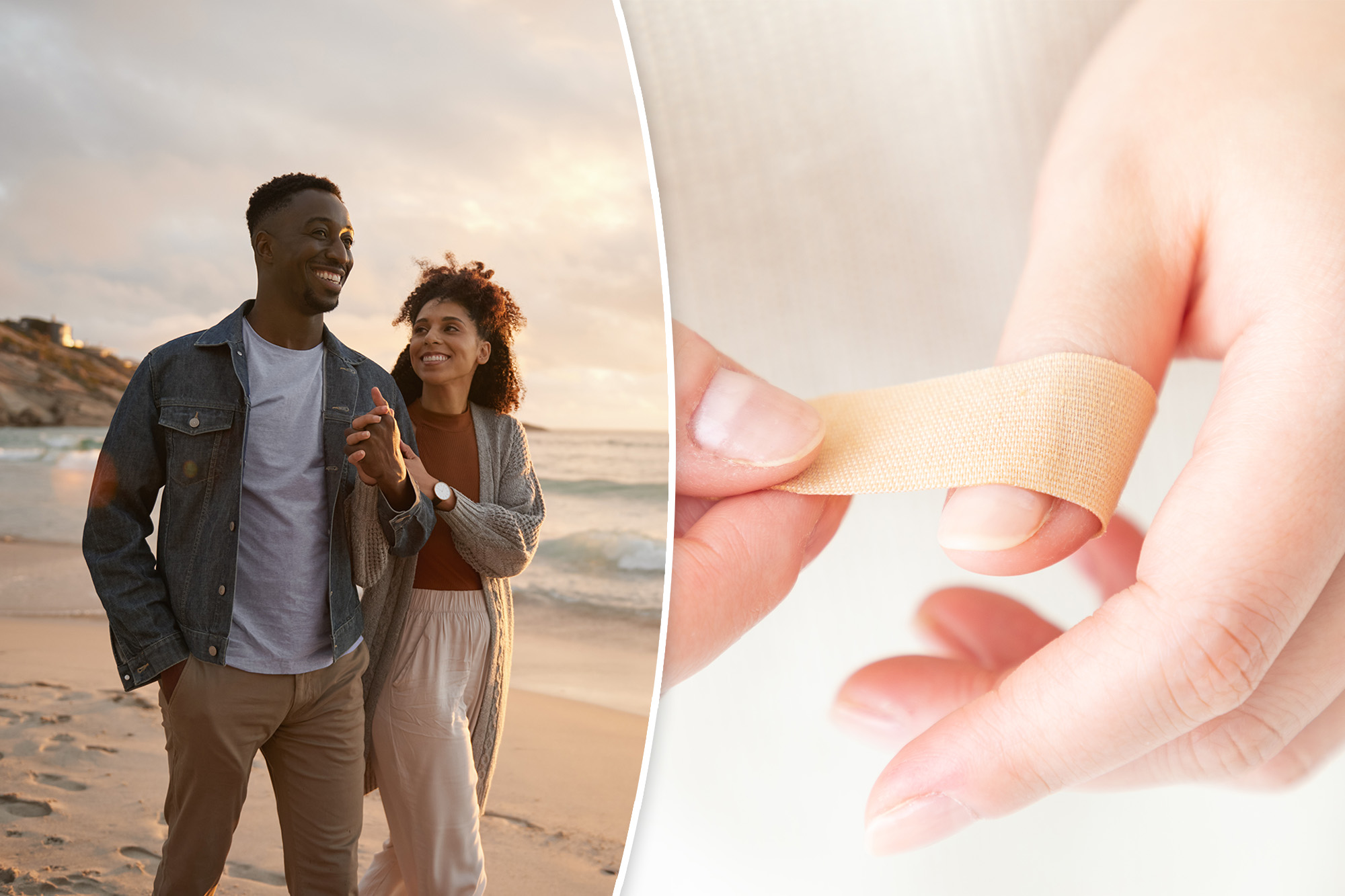
Research conducted by the University Hospital Zurich and the University of Zurich has unveiled a surprising connection between romantic relationships and the healing process of skin wounds. According to the findings published in JAMA Psychiatry, intimate physical contact, particularly when combined with a nasal spray version of oxytocin, significantly enhances the speed of wound recovery.
The study involved 80 healthy romantic couples, who had been in relationships for an average of four years. Each participant had a blister created on their forearm, followed by the administration of either oxytocin or a placebo nasal spray. Notably, some couples engaged in conversations focusing on mutual appreciation, gratitude, and the positive aspects of their relationship. This aspect of the study aimed to assess how emotional connection influences the healing process.
Researchers closely monitored the couples over the course of a week, tracking their emotional states and interactions, which included conversations, affectionate touch, and sexual activity. The results demonstrated that couples who engaged in physical intimacy, including both affectionate touch and sexual encounters, experienced significantly improved wound healing compared to those who received the placebo.
The role of oxytocin, often referred to as the “love hormone” or “cuddle hormone,” extends beyond romantic bonding. This hormone is crucial for fostering trust, attachment, and even sexual arousal. Released during physical contact such as hugging, cuddling, or sexual activity, oxytocin creates a positive feedback loop within the body, prompting further production and reinforcing emotional connections.
The implications of this study extend to the broader health benefits associated with close romantic partnerships. Prior research has indicated that being in a supportive and affectionate relationship can lead to better health outcomes. In this case, couples who regularly engaged in positive intimate interactions demonstrated improved immunity and longevity.
Moreover, the study found that regardless of whether participants received the oxytocin spray, all couples reported lower stress levels throughout the week. Frequent sexual activity was correlated with reduced daily levels of cortisol, a hormone linked to stress. This suggests that the combination of emotional intimacy and physical contact not only aids in wound healing but also contributes to overall well-being.
As the findings indicate, romantic love may offer more than just emotional satisfaction; it could play a vital role in enhancing physical health. The link between intimate relationships and healing underscores the importance of nurturing connections, which can contribute to both emotional and physical resilience.