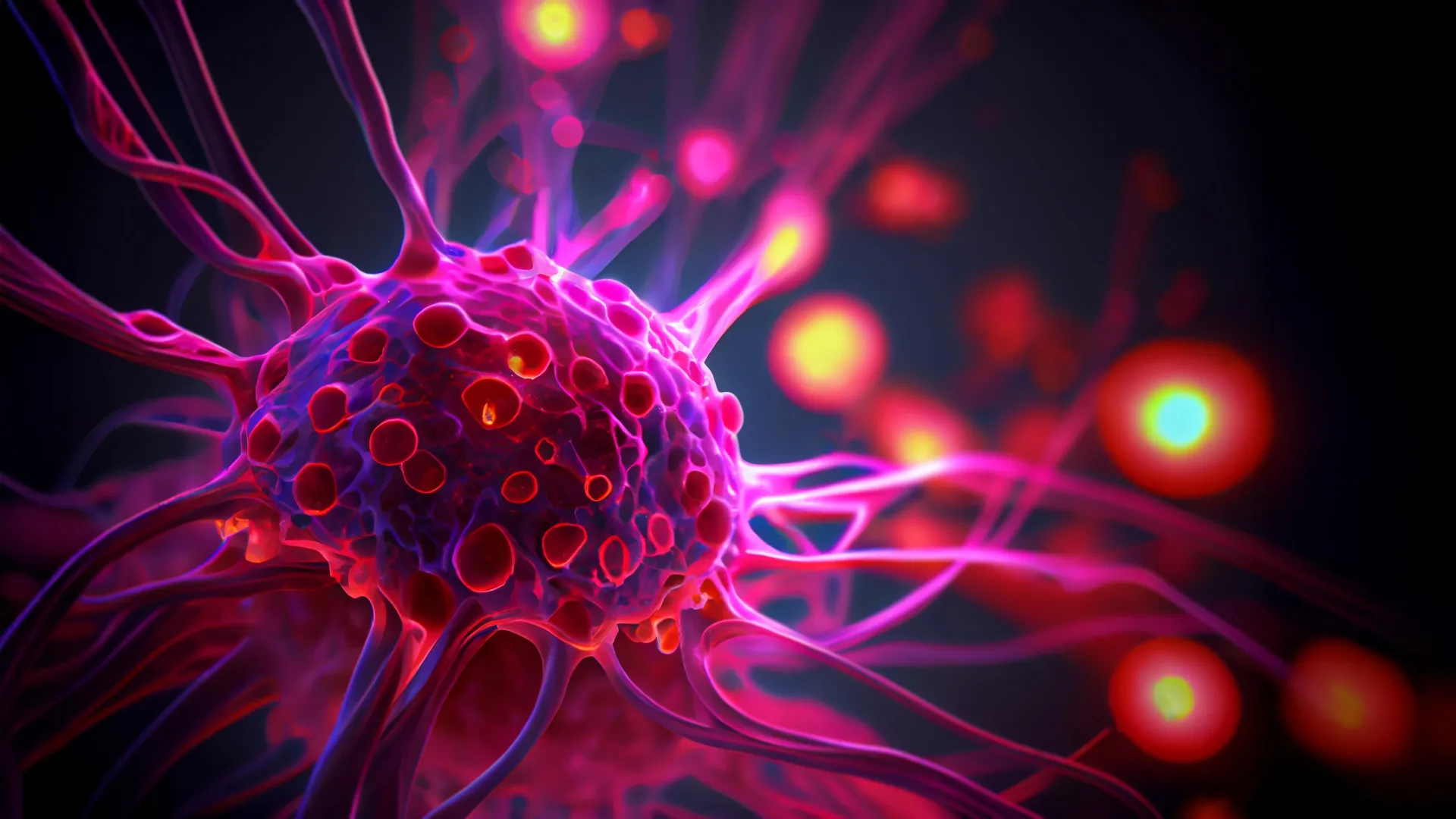
Research from the Tokyo University of Science has revealed that polyamines, a class of natural molecules celebrated for their potential anti-aging effects, may also promote cancer growth. This unexpected duality has raised significant questions regarding the implications of these compounds in both healthy aging and tumor development.
Polyamines, which include compounds like spermidine, are essential for numerous biological functions, including cell growth and specialization. In recent years, they have garnered attention for their role in stimulating autophagy, a process that cleans out damaged cellular components, thus contributing to longevity. However, high levels of these molecules have been consistently associated with aggressive cancer proliferation.
Understanding the Connection Between Polyamines and Cancer
While the association between polyamines and cancer has been recognized for some time, the specific mechanisms underlying their influence on tumor progression have remained elusive. Cancer cells typically alter their metabolism to favor rapid energy production through aerobic glycolysis. The precise role of polyamines in this metabolic shift is still not fully understood.
In an effort to clarify this complex relationship, a team led by Associate Professor Kyohei Higashi conducted an extensive study utilizing advanced molecular and proteomic techniques. Their findings were published in Volume 301, Issue 8 of the Journal of Biological Chemistry. The research demonstrated that polyamines primarily enhance glycolysis— the conversion of glucose into energy— rather than boosting mitochondrial respiration, which is more closely associated with healthy cellular aging.
The study also revealed that polyamines elevate levels of eIF5A2 and several ribosomal proteins linked to cancer severity. The presence of these proteins indicates that polyamines may facilitate conditions conducive to cancer cell proliferation.
Distinct Functions of eIF5A Proteins
The research provided vital insights into the contrasting roles of two closely related proteins: eIF5A1 and eIF5A2. Dr. Higashi explained, “The biological activity of polyamines via eIF5A differs between normal and cancer tissues.” In healthy cells, eIF5A1, activated by polyamines, promotes mitochondrial function through autophagy. Conversely, in cancerous tissues, eIF5A2— whose production is stimulated by polyamines— regulates gene expression to support cancer cell growth.
Further investigations revealed how polyamines increase eIF5A2 levels. Under normal conditions, the production of eIF5A2 is limited by a regulatory RNA molecule known as miR-6514-5p. The study found that polyamines disrupt this regulatory mechanism, leading to an increased presence of eIF5A2.
Implications for Cancer Treatment and Supplement Use
The findings of this research carry significant implications for cancer therapies and the use of polyamine supplements. They underscore the importance of biological context in determining the effects of polyamines. In healthy tissues, these molecules may confer anti-aging benefits through eIF5A1. In contrast, in cancerous tissues, they can enhance tumor growth via eIF5A2.
Dr. Higashi highlighted a potential new therapeutic target: “Our findings reveal an important role for eIF5A2, regulated by polyamines and miR-6514-5p, in cancer cell proliferation.” By selectively targeting eIF5A2, it may be possible to inhibit cancer growth without compromising the beneficial effects associated with eIF5A1.
This research marks a crucial advancement in understanding the multifaceted roles of polyamines. As scientists continue to explore these compounds, it may become feasible to develop strategies that harness their positive effects on healthy aging while mitigating their potential to foster cancer development.
This study received support from the Japan Society for the Promotion of Science, the Hamaguchi Foundation for the Advancement of Biochemistry, and an extramural collaborative research grant from the Cancer Research Institute at Kanazawa University, Japan.