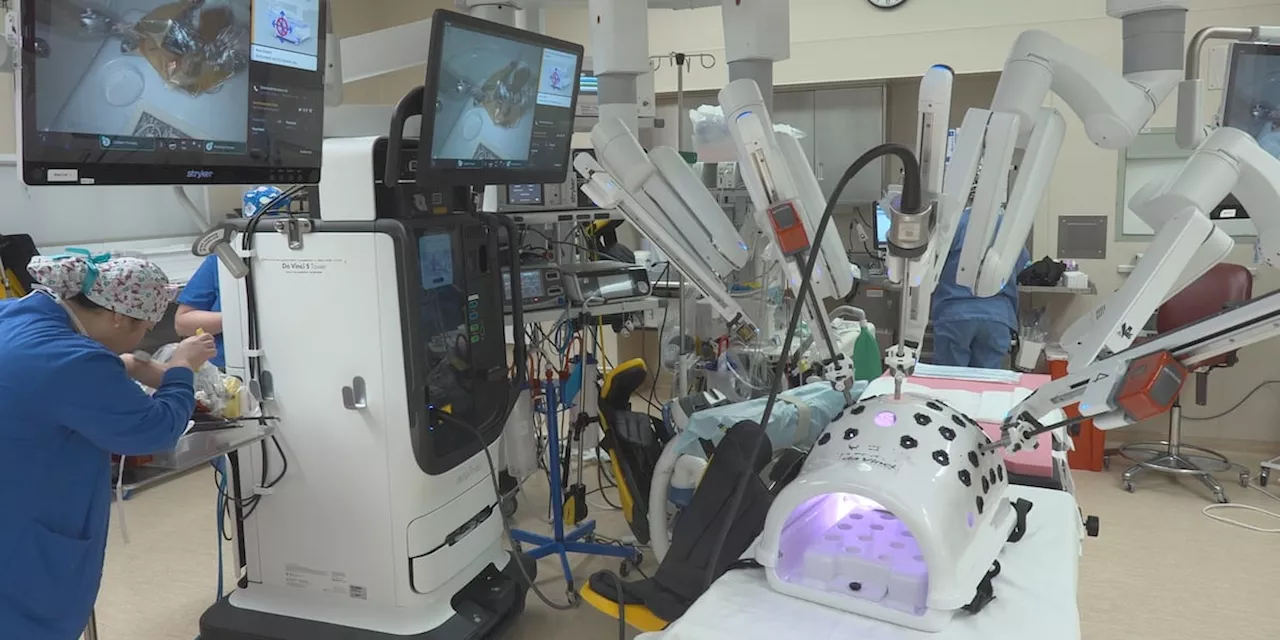
The introduction of the Da Vinci 5 robotic surgical system at Providence Alaska Medical Center (PAMC) represents a significant advancement in the treatment of gynecologic cancer, a condition that claimed 34,020 lives in the United States in 2023. This innovative device allows for minimally invasive surgeries that could drastically improve outcomes for women diagnosed with various forms of gynecologic cancer.
Since its implementation nearly a year ago, the Da Vinci 5 has transformed the capabilities of PAMC’s surgical team. Dr. Melissa Hardesty, a gynecologic oncologist at the center, describes the device as a “game changer,” citing its ability to broaden the pool of patients eligible for surgical intervention. “In the past, many women were deemed unfit for surgery due to health conditions such as heart disease or diabetes,” Dr. Hardesty explained. “Now, we can operate on almost anyone, including patients on blood thinners, with minimal preparation time required.”
The impact of the Da Vinci 5 extends beyond mere accessibility; it enhances the precision of surgical procedures. The robotic system features advanced technology, including magnified cameras that provide surgeons with a three-dimensional view of the surgical site. This high level of detail allows for the successful execution of complex procedures, which previously required larger incisions and longer recovery times.
Dr. Hardesty emphasized the substantial improvements in patient care, stating, “We have transitioned from traditional open surgeries that necessitated prolonged hospital stays to outpatient procedures.” This evolution in surgical practice not only reduces recovery times but also significantly decreases the physical and emotional toll on patients.
The Da Vinci 5 operates through several small incisions made on the patient’s abdomen. These openings accommodate 8 millimeter tubes equipped with specialized instruments, including a high-definition camera. While the patient is under anesthesia, the surgeon controls the robotic arms from a console, manipulating them with finger controls to perform intricate tasks such as tumor removal and suturing.
Dr. Hardesty noted the collaborative nature of the surgical process, stating, “An assistant is present at the bedside to manage the camera and instruments, ensuring everything runs smoothly.” This teamwork enhances the overall efficiency of the procedure, further improving patient outcomes in their local communities.
As awareness about gynecologic cancers continues to grow, Dr. Hardesty encourages women to stay vigilant. She advises paying attention to bodily changes, particularly irregular bleeding patterns or missed menstrual cycles during the pre-menopausal transition. Early detection is critical for successful treatment, and technologies like the Da Vinci 5 are empowering healthcare providers to offer effective surgical options to more patients.
In summary, the integration of the Da Vinci 5 robotic surgical system at Providence Alaska Medical Center is not only a technological advancement but a vital step toward improving the treatment landscape for women battling gynecologic cancer. As facilities worldwide look to enhance their surgical capabilities, the success of this device could inspire similar implementations in other healthcare institutions, ultimately leading to better health outcomes for women globally.