The use of puberty blockers for adolescents in Pennsylvania has surged dramatically, raising concerns over the legitimacy of the insurance claims associated with this treatment. Between January 1, 2013, and December 31, 2024, more than 220 claims for puberty blockers, coded as E30.1 for precocious puberty, were reimbursed for minors aged 10 to 13, costing taxpayers over $1.8 million. This significant rise in claims has attracted the attention of the Department of Justice (DOJ), which is currently investigating potential fraud related to this billing code.
The data reveals a startling increase in claims from zero in 2010 to 47 by 2017 for the 10-13 age group. Dr. Kurt Miceli, medical director at Do No Harm, expressed concern about the spike in diagnoses, stating, “A spike of this magnitude in the diagnosis of precocious puberty — especially among children past the usual age — is highly atypical and raises the very real possibility that the diagnosis has been used as a billing workaround.”
According to the Pennsylvania Department of Human Services, the reimbursement for puberty blocker claims utilizing the E30.1 code saw a more than 2,100 percent increase from 2013 to 2017. The total reimbursement for minors under 18 rose from $34,906 in 2013 to $786,728 in 2017. Notably, there were no reimbursements for puberty blockers using this code in any age group from 2010 to 2012.
The investigation centers on whether medical professionals may have misclassified these treatments to secure insurance coverage. Dr. Roy Eappen, an endocrinologist and senior fellow at Do No Harm, described the sudden surge in claims as “highly unusual,” suggesting it is more characteristic of an infectious disease scenario rather than an endocrine disorder.
In a broader context, the data obtained indicates that Pennsylvania has spent over $76 million on puberty blockers for minors aged 18 and under from January 1, 2020, to December 31, 2024. The average cost per claim was over $11,200, with more than 1,000 claims for minors aged 14 to 18 and more than 1,900 claims for those aged 10 to 13.
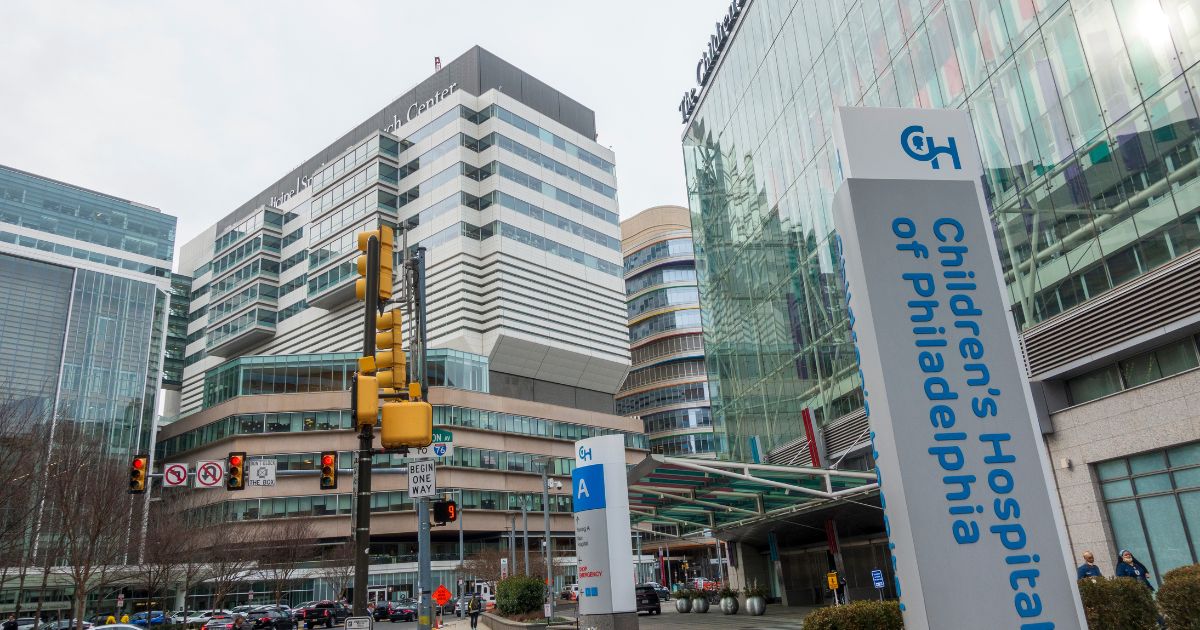
The DOJ has expressed specific concerns regarding the validity of diagnoses for precocious puberty in children aged 10 and older. In its October 2025 court filing, the DOJ noted that such early initiation of puberty blockers raises suspicions of fraudulent practices. As part of the investigation, over 20 providers of child gender-affirming procedures, including the Children’s Hospital of Philadelphia (CHOP) and Boston Children’s Hospital, have been subpoenaed.
An analysis revealed that almost 250 minors at CHOP were diagnosed with Central Precocious Puberty at age 10 or older between 2017 and 2024. Dr. Quentin Van Meter, a pediatric endocrinologist and past president of the American College of Pediatricians, stated that it is “very, very rare” for a child to be diagnosed with precocious puberty at age 10, implying that many of these cases may involve misclassification to justify treatment for gender dysphoria instead.
Van Meter emphasized that genuine cases of precocious puberty would typically be documented with clinical evidence of early pubertal development, which is not commonly expected in children above age 8. The absence of such documentation in the claims raises questions about their accuracy.
The investigation has also garnered political attention, with Pennsylvania Governor Josh Shapiro filing a motion in support of the CHOP gender clinic, accusing the DOJ of attempting to intimidate medical providers. CHOP, which has not responded to requests for comments, previously filed a motion to protect patient privacy rights concerning the information sought by the DOJ.
The scrutiny of billing practices surrounding puberty blockers is not limited to Pennsylvania. Similar inquiries are underway in other states, with allegations surfacing of deceptive billing practices by healthcare providers. The Texas Attorney General Ken Paxton has claimed that a pediatric gender doctor in Texas used fraudulent billing codes when prescribing puberty blockers, further highlighting the growing concern over the intersection of healthcare and insurance practices in gender-affirming treatments.
As the investigation unfolds, the implications for both healthcare providers and patients remain significant. The outcome may influence policies regarding the administration of puberty blockers and the broader discourse surrounding gender-affirming care for minors. The ongoing legal and medical scrutiny underscores the critical nature of accurate diagnoses and ethical billing practices in healthcare.