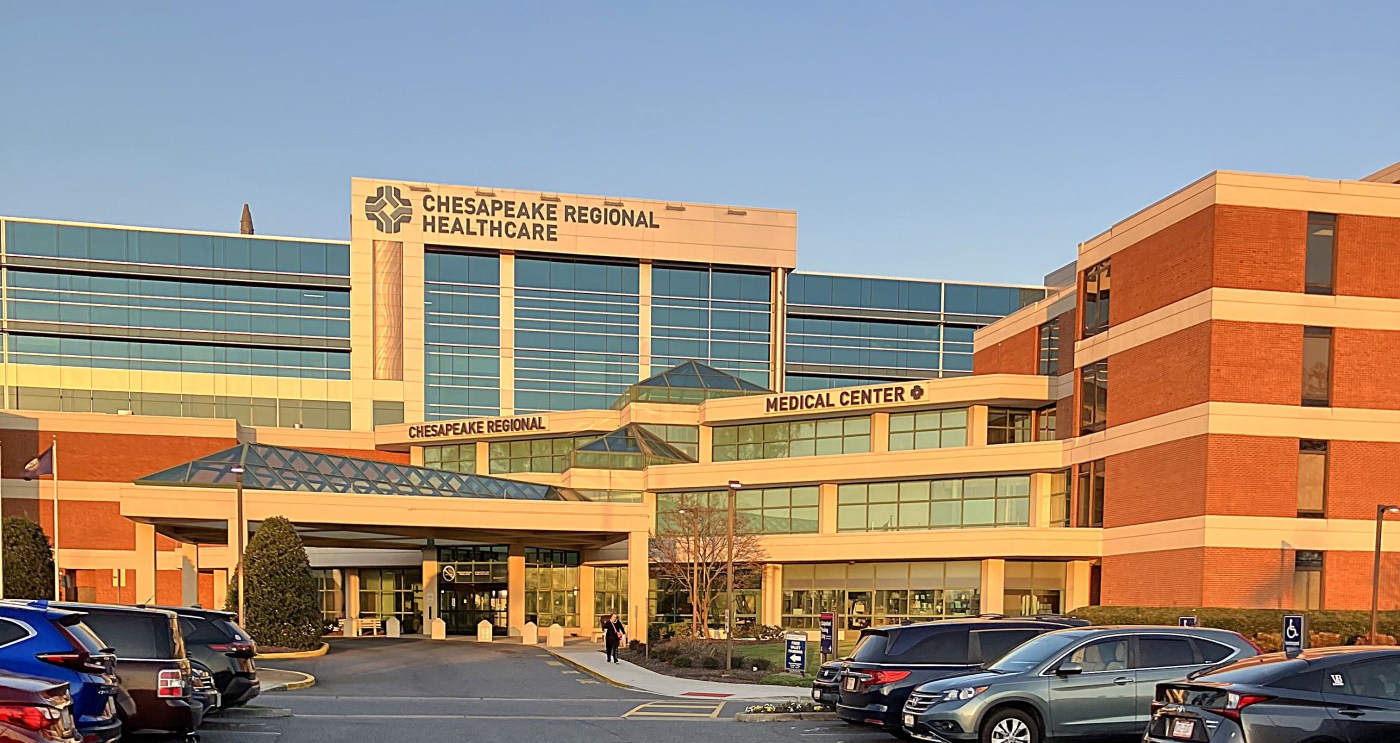
A significant legal action is unfolding as more than 600 women are suing Chesapeake Regional Medical Center (CRMC) and its senior executives for allegedly permitting unnecessary surgeries performed by Dr. Javaid Perwaiz. The lawsuit includes 94 additional plaintiffs who joined the case on Thursday, raising the total number of women involved to over 600. The claim centers on accusations that Perwaiz, an obstetrician and gynecologist, conducted medically unnecessary procedures, including irreversible hysterectomies, which resulted in permanent sterilization for numerous patients.
One of the plaintiffs, Kimberly Riddick, 35, recounted her distressing experience with Perwaiz, stating that he diagnosed her with a cyst and insisted on surgical removal over a span of three years. After seeking a second opinion, she learned that the surgeries were not needed. Riddick expressed her heartbreak, saying, “we put our trust in him and he betrayed our trust.” The physical and emotional toll has been immense, culminating in complications during childbirth that put her future family plans at risk.
The lawsuit, filed in Chesapeake Circuit Court, alleges a failure of oversight by hospital executives who continued to allow Perwaiz to operate despite warnings about his conduct dating back to the 1980s. Attorney Anthony DiPietro, representing the women, emphasized the institution’s role, stating, “Individual doctors aren’t acting alone.” He accused the hospital administration of being complicit by not intervening when required.
CRMC has not responded to requests for comment regarding the lawsuit.
Dr. Javaid Perwaiz is currently serving a 53-year prison sentence after a 2021 jury found him guilty of defrauding health insurance programs of over $20.3 million. The jury determined that he performed unnecessary medical procedures, including hysterectomies, on female patients, which he falsely justified by misdiagnosing them with cancer.
Allegations of Systemic Abuse
The lawsuit outlines disturbing practices allegedly employed by Perwaiz, including the early delivery of babies through induction or cesarean sections to accommodate his schedule. This practice reportedly led to numerous premature births, requiring intensive neonatal care and causing lasting health issues for newborns. Within the hospital’s neonatology unit, these cases became known as the “Perwaiz special.”
The complaint also details instances where nurses observed patients lacking awareness of their impending surgeries. Some women were allegedly misled about their health conditions, with false claims of cancer used to justify invasive operations. Insurance payments from these unnecessary surgeries generated significant revenue for CRMC, raising questions about the hospital’s financial motivations.
Despite numerous red flags raised by healthcare professionals about Perwaiz’s practices, the lawsuit states that CRMC executives either defended his actions or ignored the concerns. Perwaiz’s medical privileges at CRMC were granted in 1984, following the termination of his practice at Maryview Hospital due to similar concerns. Over the years, hospital executives repeatedly approved his privileges, despite ongoing allegations.
The women involved in the lawsuit are seeking $10 million in damages each, highlighting the profound impact of their experiences. Co-counsel Victoria Wickman described the situation at Chesapeake Regional as lacking in medical integrity, stating, “What happened at Chesapeake was not medicine. It was a chop shop.”
Legal Proceedings and Hospital Accountability
In early January 2025, CRMC was federally indicted on multiple counts of healthcare fraud and conspiracy related to their continued granting of surgical privileges to Perwaiz. The indictment alleges that the hospital permitted him to misclassify inpatient surgeries as outpatient procedures, thereby evading necessary scrutiny from health care benefit programs.
CRMC attorneys have filed two motions to dismiss the indictment, arguing that the case should be dismissed on the basis of sovereign immunity and that the hospital authority is not specifically named in the indictment. The decision regarding these motions has been appealed to the Fourth U.S. Circuit Appeals Court.
The implications of this case reach far beyond the individual experiences of the women involved. As it unfolds, it raises critical questions about medical ethics, institutional accountability, and the protection of patients’ rights within healthcare systems globally.