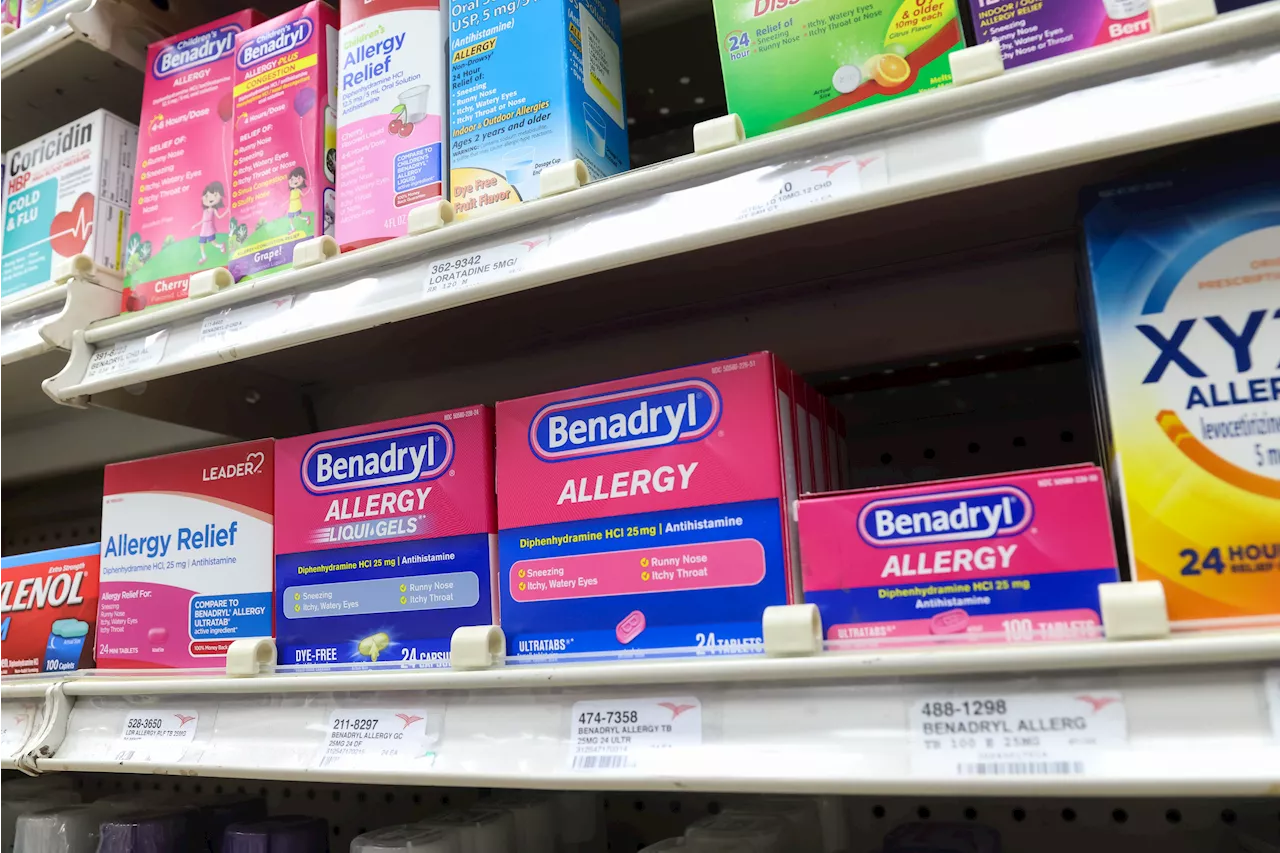
As allergy season approaches, individuals are urged to take proactive steps for effective symptom management. With the increasing intensity and duration of pollen seasons attributed to climate change, understanding when to take allergy medications is essential for optimal relief. Experts highlight that strategic timing can significantly enhance the effectiveness of medications, allowing individuals to navigate the spring months with greater comfort.
Timing Your Allergy Medications
According to allergists, the timing of antihistamines can make a considerable difference in alleviating symptoms. Many individuals experience heightened allergy symptoms during early morning hours. For these patients, taking antihistamines such as Benadryl before bedtime is usually recommended. This approach allows the medication to accumulate in the system overnight, providing relief when symptoms are at their peak.
While older antihistamines like Benadryl can induce drowsiness, newer options like Zyrtec, Claritin, and Xyzal are designed to minimize this side effect. Thus, the timing of these newer medications is somewhat less critical. Regardless of the type, consistency in medication use is vital. Experts advise individuals to take antihistamines daily to maintain control over their symptoms.
Additionally, starting allergy medication a few weeks prior to the onset of allergy season can be beneficial. This proactive approach can involve taking oral antihistamines as well as nasal corticosteroid sprays, such as Flonase, to stave off severe symptoms before they manifest.
Protective Measures Against Pollen Exposure
In tandem with medication, taking precautions against pollen exposure is crucial for managing seasonal allergies effectively. Regularly monitoring pollen counts can help individuals plan their outdoor activities. On days with high pollen levels, remaining indoors as much as possible is advisable.
When outdoor activities are unavoidable, protective measures such as wearing a mask, hat, and sunglasses can help reduce pollen inhalation and contact with the eyes. After spending time outdoors, it is also recommended to clean pets to remove any pollen they may have collected.
These strategies, combined with consistent medication use, can significantly alleviate allergy symptoms. With the pollen season becoming increasingly unpredictable due to climate change, individuals are encouraged to stay informed and take proactive measures. By implementing these expert recommendations, many can enjoy the spring season with fewer allergy-related disruptions and an improved quality of life.