Oprah Winfrey has publicly embraced GLP-1 medications, marking a significant shift in her approach to weight loss and wellness. In her latest book, “Enough: Your Health, Your Weight, and What It’s Like to Be Free,” co-authored with Dr. Ania Jastreboff, Winfrey shares her personal journey with these drugs, which have gained popularity in recent years for their effectiveness in weight management.
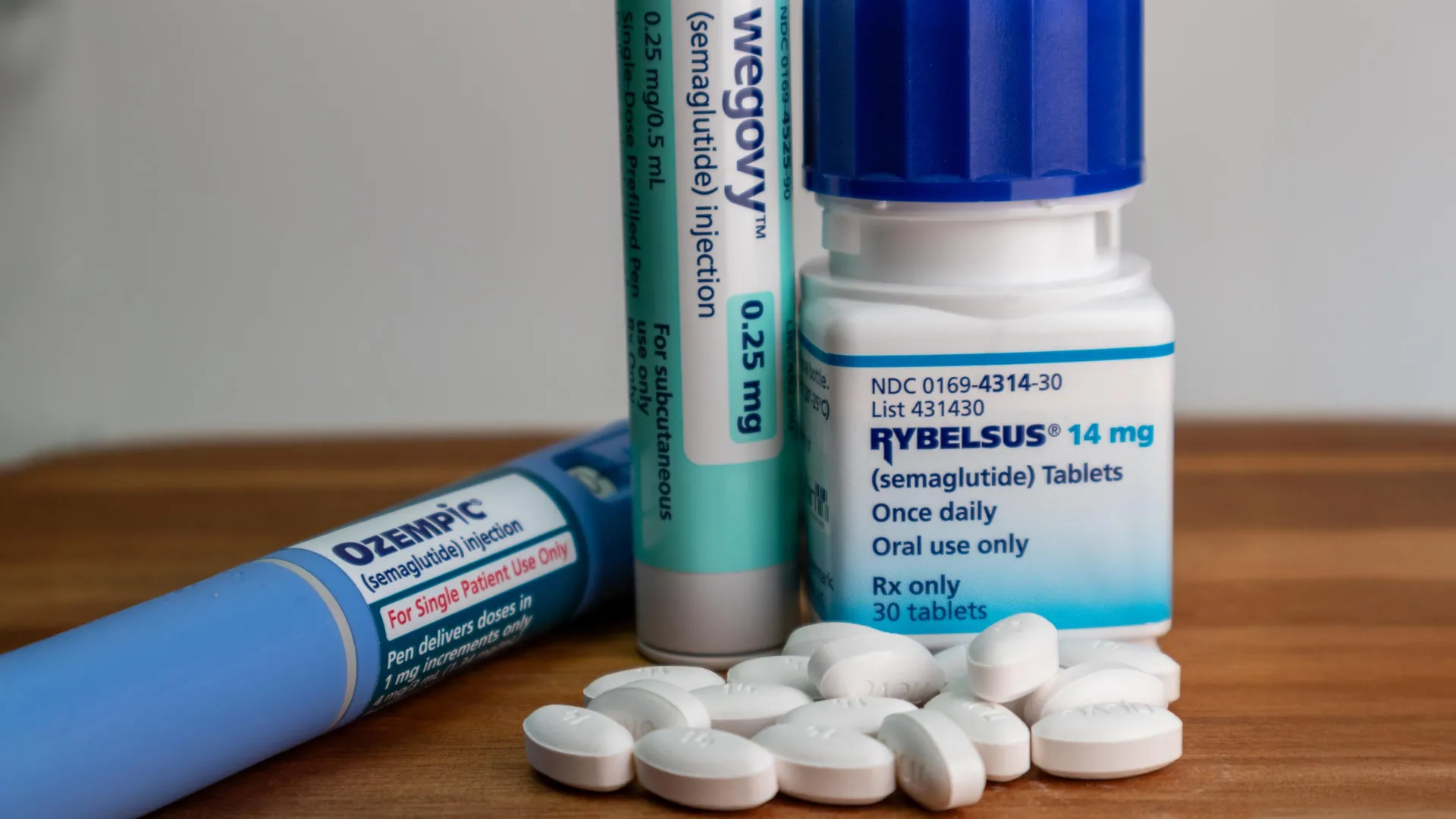
The rise of GLP-1 medications, such as Wegovy and Zepound, has transformed the weight loss landscape, moving away from traditional willpower methods. Winfrey’s endorsement adds a powerful voice to the conversation, as she highlights the importance of acknowledging biological factors in weight loss. According to Dr. Holly Wyatt, an endocrinologist specializing in weight management, “She’s giving people permission to talk about it,” validating the medical community’s insights in an accessible manner.
Winfrey’s status as a wellness icon has been solidified over decades. Her talk show created a platform where individuals could candidly discuss their struggles with weight, often experiencing a redemption arc in their narratives. Sabrina Strings, author of “Fearing the Black Body: The Racial Origins of Fat Phobia,” noted that Winfrey provided a unique space for individuals to share their stories without facing shame, a rarity in public discourse.
Her influence on the diet industry began in 1988 when she famously showcased 67 pounds of fat in a Radio Flyer wagon, symbolizing her weight loss journey. This event, which became the most-watched episode of her show, initiated what is now known as the “Oprah Effect,” where her endorsements could lead to significant commercial success for weight loss products. In retrospect, Winfrey has expressed regret over her role in perpetuating shame-centered diet culture.
The introduction of Dr. Mehmet Oz to her show around 2004 further shaped the conversation around health and wellness. Through numerous episodes, Oz addressed various health topics, making medical advice accessible to a wide audience. His controversial partnerships with weight loss products raised questions about the ethics of celebrity endorsements in health.
In the mid-2010s, Winfrey became the face of WeightWatchers, promoting a message of enjoying carbohydrates amidst a rising trend of restrictive diets. Her investment in the company saw its value soar by 1,200% in just three years. However, her departure from WeightWatchers in 2024 caused a notable drop in the company’s stock, indicating a significant pivot in her approach to weight management.
Winfrey’s relationship with GLP-1 medications started in 2023 when she openly discussed using them for weight loss. This announcement coincided with the mainstream acceptance of such drugs, which are now utilized by many Americans seeking help with weight control. The medications challenge the notion that weight management solely depends on personal discipline, suggesting that biological factors play a crucial role.
After a brief hiatus from the medication to explore lifestyle changes, Winfrey experienced a weight increase of 20 pounds. At 71 years old, she has resumed using GLP-1s, likening their use to that of medication for chronic conditions such as high blood pressure. She expressed a desire to have discovered these treatments earlier in her life.
As the conversation around weight loss evolves, Winfrey’s endorsement of GLP-1s could influence the next generation of weight management solutions. With ongoing research into more effective medications, the world will be watching closely to see how these developments impact public perceptions of health and wellness. The intersection of the “Oprah Effect” and GLP-1s presents a pivotal moment in the landscape of weight loss, as more individuals consider the medical model over traditional dieting methods.