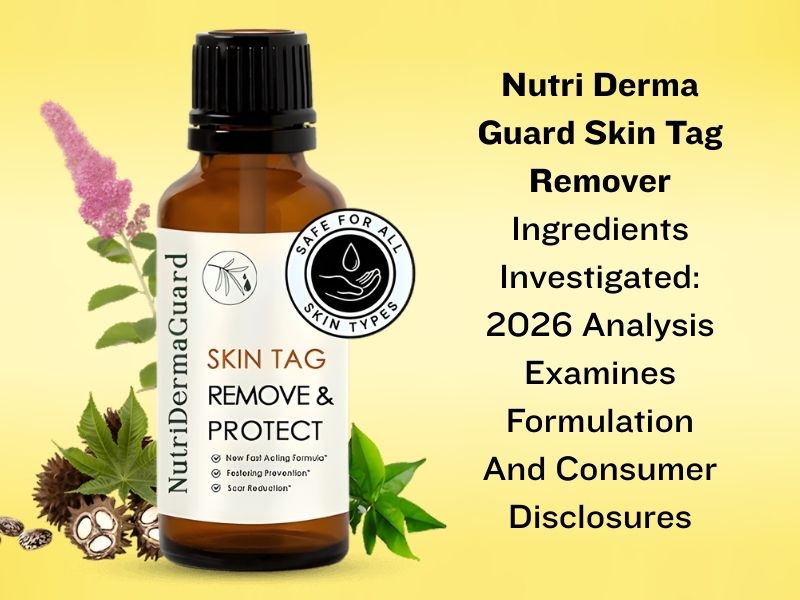
A recent examination of the ingredients in NutriDerma Guard Skin Tag Remover has sparked consumer interest as individuals seek effective at-home solutions for skin tag removal. This analysis, released on January 10, 2026, explores the formulation and ingredient disclosures of the product, which is manufactured in Largo, Florida, under Good Manufacturing Practice (GMP) standards.
Skin tags, medically known as acrochordons, are common benign growths that often appear in areas subject to friction, such as the neck and underarms. Although these growths pose little medical risk, many individuals seek removal due to aesthetic concerns, discomfort, or the increasing number of skin tags with age. For some, the costs associated with professional removal procedures further drive the interest in alternatives like NutriDerma Guard.
Understanding the Ingredients
According to the product’s labeling, NutriDerma Guard contains the following key ingredients: Alcohol Denat., Ricinus Communis (Castor) Seed Oil, Melaleuca Alternifolia (Tea Tree) Leaf Oil, and Salicylic Acid. Each of these components has distinct properties that contribute to the product’s formulation.
The inclusion of Ricinus Communis, or castor oil, has a long history in both traditional medicine and modern cosmetics. Research indicates that ricinoleic acid, a primary fatty acid in castor oil, may help maintain skin moisture and penetrate the outer skin layer. However, while traditional uses exist, clinical evidence supporting its efficacy for skin tags is limited.
Tea tree oil, derived from the leaves of the Australian Melaleuca alternifolia plant, is known for its antimicrobial properties. Studies published in reputable journals have documented its effectiveness against various pathogens. In the context of skin tags, the oil’s astringent properties may play a role, although this application remains theoretical and lacks direct clinical validation.
Salicylic acid, a well-known beta-hydroxy acid (BHA), is recognized by the U.S. Food and Drug Administration for its effectiveness in various dermatological treatments, particularly for conditions like acne and warts. This ingredient disrupts the bonds between skin cells, promoting exfoliation. While its mechanism is well-established, its specific use for skin tags is not FDA-approved, and consumers should be aware of the distinctions between regulatory recognition and marketing claims.
Consumer Considerations and Safety
For those contemplating the use of NutriDerma Guard, several factors should be assessed. The product is designed for external use only and should not come in contact with sensitive areas such as the eyes or mucous membranes. Users are advised to discontinue use if any adverse reactions occur, including irritation or rash.
The analysis emphasizes the variability in individual responses to topical products. Factors such as skin type, growth characteristics, and consistent application can significantly influence outcomes, making it essential for consumers to have realistic expectations. There is no guaranteed timeline for results, as individual experiences will differ widely.
Before opting for at-home treatments, individuals are encouraged to consult with healthcare professionals, particularly if skin tags change in appearance or if there are underlying health concerns. This advice is crucial for ensuring that appropriate care is taken and any potential underlying issues are addressed.
In conclusion, while NutriDerma Guard Skin Tag Remover offers a potential option for those seeking at-home solutions, its effectiveness remains unverified as a finished product through independent clinical trials. Consumers are urged to research thoroughly, consult professionals, and consider their unique circumstances before deciding on treatment options for skin tags.